




The military wants to grow by 44,500 troops next year, according to new budget documents released this week.
The proposed increase, which requires congressional approval, comes as the Trump administration proposes a historic $1.5 trillion defense budget — a dramatic jump over current levels — with funding spread across munitions, the defense industrial base, research and development, emerging combat systems, and military operations and readiness.
The Pentagon has been seeing recruiting numbers rebound after a yearslong slump and a brutal recruiting environment exacerbated by the Covid-19 pandemic, the rollout of a troublesome new medical system, and a declining propensity to serve among young people. Service branches fell thousands of recruits short of their goals during the chaos. For those that met their quotas, like the Marine Corps, recruiter stress and burnout soared.
The Trump administration has attributed the rebound to increased confidence and patriotism among young people. The specific motivations are unclear, though some analysts have pointed to a shaky job market and refinements to military recruiting processes as likely drivers.
Chief among those procedural changes are the Army and Navy’s pre-boot camp courses, where prospective recruits who struggle with fitness or exam scores can spend months shaping up before entering basic training. Those programs have proven transformative for the services, though some government assessments have raised concerns about lower recruit quality.
Every service except the Marine Corps increased its end strength last year — the Army and Navy each grew by roughly 12,000 desired troops, while the Air Force and Space Force grew by 1,500 and 600, respectively.
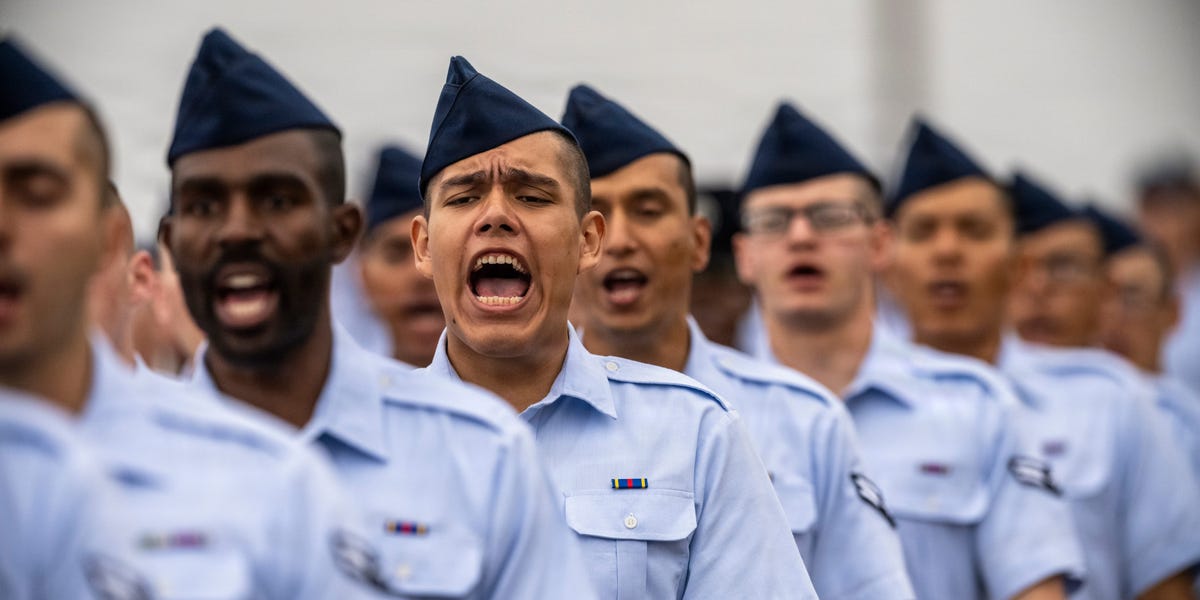
Two services have already hit their FY2026 recruiting goals months early this year. The Air Force announced last week that the service hit its recruiting goal of 32,000 Air Force and Space Force recruits five months early. Last year, the Army reported hitting its goal of over 61,000 soldiers months early, too.
Now, the Army wants to add 15,000 more soldiers to its active force and 3,300 to its National Guard ranks. The Air Force is seeking 11,700 more personnel, and the Navy 12,000. The Marine Corps, which has held its numbers steady in recent years, is seeking to add 1,400 to its active ranks and 1,100 to its reserve.
The services have not recently made strong public calls for additional personnel.
It is unclear whether the services, in order to pursue a higher end strength, plan to expand their recruiting forces, a frequently grueling job in which success and quality of life can hinge on factors like location, access to schools, and individual personality traits.
The proposed increase could reflect the military’s evolving understanding of how it would fight a distributed war in the Pacific against China, for example, said Kate Kuzminski, director of studies at the Center for a New American Security.
Such operations have been central to each service’s strategic planning in recent years.
Part of that strategy is deterrence, preventing a war from happening in the first place, she said. “And what that requires is the real show of capability, which is driven by the warfighter themselves.”
Expanding demands — including the deployments to the southern border, a growing focus on the Western Hemisphere more broadly, and conflicts in the Middle East amid efforts to maintain attention on the Pacific — could stretch the force thin, she said.
Adding more troops is likely to require more than tweaks to recruiting policies and programs like the pre-boot camps, Kuzminski cautioned. While those efforts have helped bring in more recruits, their long-term effectiveness remains unknown.
Looming limits to recruiting success could include the declining birth rate.
“We are staring down the barrel of a 13% reduction in American youth turning 18,” said Kuzminski, who co-authored a recent report on declining interest in service.
“That means that the only variable left for us to tinker with are the policies and the processes to drive interest or eligibility and military service to fill that gap,” she said, which could force US military recruiting policies and approaches to become more creative or take on more risk with lower-quality recruits.
Read the full article here