




Sweeping federal student-loan changes are coming. Private lenders are ready to pounce.
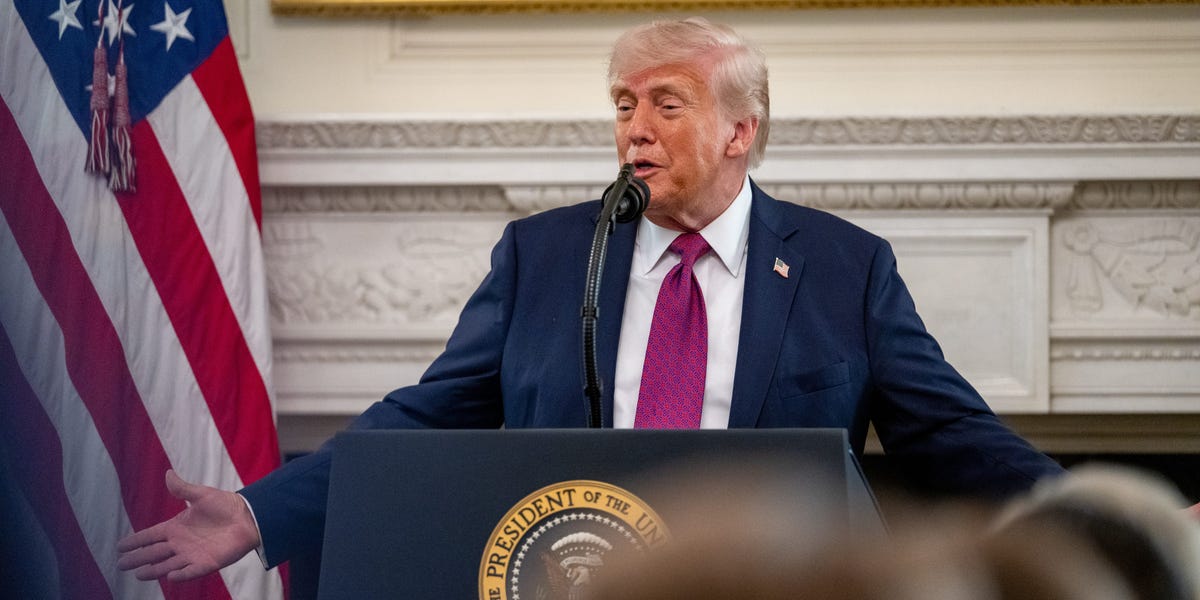
President Donald Trump’s “big beautiful” spending legislation ended the federal Grad PLUS program — which let graduate students borrow the full cost of their programs — and set new borrowing caps on advanced degrees.
On Wednesday, College Ave, a major private student-loan lender, announced a new STEM Graduate Loan to fill that financing gap.
College Ave is among the first private lenders to announce new initiatives in response to the federal changes. The company said that graduates pursuing advanced degrees in science, technology, engineering, or math can enroll in its program beginning in July to cover up to the full cost of attendance. The new loan “provides a solution to the changing financing needs grad students may now face in fully funding their degree,” its press release said.
“We are well-positioned to support and find creative financing solutions for graduate students, undergraduates and parents as they invest in higher education,” said Joe DePaulo, CEO of College Ave, in a statement.
The Department of Education is setting a $20,500 annual borrowing cap for graduate students and a $100,000 lifetime cap, which it said will curb excessive borrowing and unaffordable debt. College Ave said that the cost of attendance for some STEM programs is “well above the upcoming federal funding limits,” and some borrowers will require additional financing.
It’s not only lenders — some colleges have also announced they will step in to fill federal funding gaps. Washington University School of Law announced in February that it would offer a new private loan to incoming law students who “have exhausted all federal loan options.”
Switching from federal to private lending comes with risks. Once a federal borrower goes private, they lose access to federal repayment options, including income-driven repayment plans that offer loan forgiveness after a set period. Private borrowers do not qualify for Public Service Loan Forgiveness, and while private lenders have a way for borrowers who prove they were defrauded by their school to get debt relief, the process is more difficult to navigate than the federal one.
Policy experts and Democratic lawmakers have also raised concerns about a lack of oversight for the private student-loan industry. The Trump administration has cut staff at the Consumer Financial Protection Bureau and directed the agency to “deprioritize” student-loan oversight, which could put borrowers at heightened risk of predatory behavior.
A group of Democratic lawmakers said in a February report that with the new borrowing caps, “lenders have far less of an incentive to provide borrowers with loans on terms that are commensurate to those of federal loans, such as by offering comparable interest rates or protections for borrowers who become permanently disabled.”
Have a story to share about student loans? Contact this reporter at [email protected].
Read the full article here