




It’s hard to be a teen. So hard that the mere thought of it makes me, well past my teen years, want to lie down.
Understandably, some young people in China have been rebelling against the pressures of modern life for years now — especially the pressures of succeeding in the workforce and a difficult economic environment — through a meme-y movement called “lying flat,” or tang ping in Chinese.
The Chinese government, however, is not loving the meme. And now it’s speaking out about it.
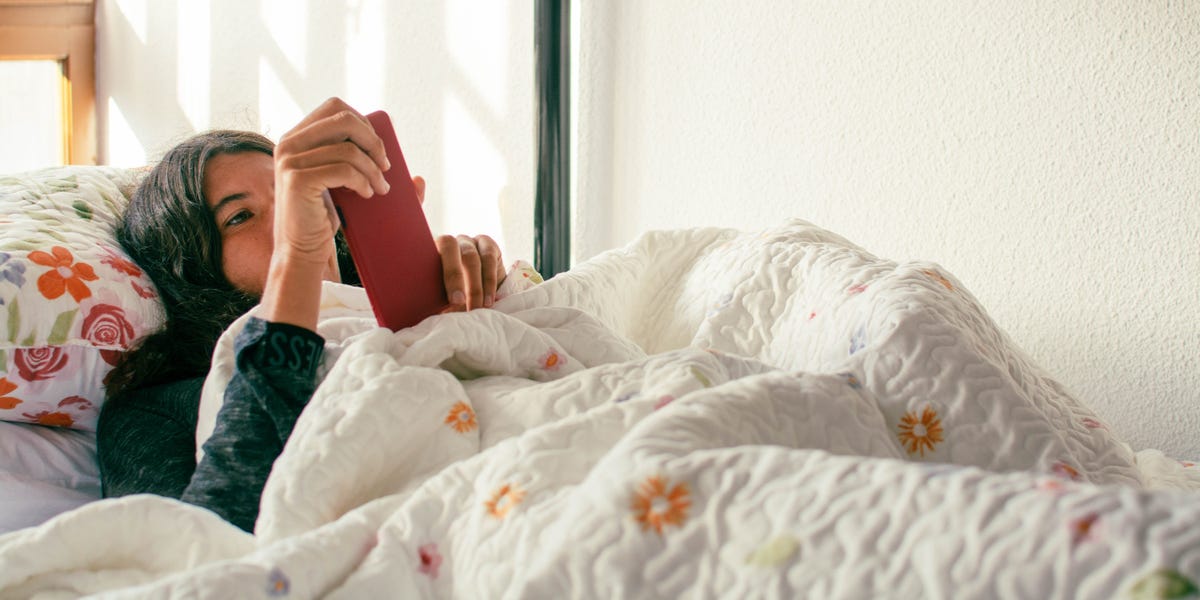
Lying flat is what it sounds like — instead of grinding and hustling in an increasingly difficult job market, it’s just … lying down, not unlike the American social media meme version of “bed rotting.” My colleague Cheryl Teh has been writing about lying flat since way back in 2021. And in 2022. And in 2023.
And of course, the concept of youth disillusionment and recalcitrance has existed since the first teen apes with opposable thumbs descended from the trees and closed their cave doors in their parents’ faces.
The Wall Street Journal reported this week that China’s Ministry of State Security is concerned that lying flat is the work of foreign hostile forces:
“The youth represent the future of the nation and are the primary targets for ideological infiltration by foreign anti-China hostile forces,” the Ministry of State Security said in a post published on WeChat, a multipurpose Chinese social-media platform. The MSS said certain overseas organizations—which it didn’t name—have funded anti-China media outlets, think tanks and influencers, and have carried out a systemic “lying-flat brainwashing” campaign. The agency—a secretive organization whose mandate includes counterespionage—urged young people to stay vigilant, work hard and reject trends like “lying flat.”
The message did not include which foreign forces might be behind this campaign, although it’s hard to ignore how the US has made the mass media concept of teen idleness and rebellion one of its chief exports since the 1950s.
I would like to state for the record that, truthfully, I am not writing this as a state agent of any kind — merely as a former-teen myself and someone who can relate to the strong lure of taking a prone position under stress. My allegiance is always to the teens!
There’s also some delicious irony here when it comes to the idea that foreign adversaries are supposedly waging a covert psyop campaign to waste the minds and ambition of teens in China. This was, of course, one of the concerns about TikTok back when lawmakers feared that American teens were being influenced by the Chinese government via TikTok’s owner, ByteDance.
Right now, there’s a trend of “Chinamaxxing” among some young people in the US. They’re drinking hot water, wearing house slippers, and adopting other aspects of Chinese culture as a trend. There’s a part of this that is its own rebellion against American culture — that these Chinese cultural traditions are an antidote to the boorish aspects of American consumerism, and that modern China has elements of its political, economic, and social life that are superior to the mess here in the US.
I don’t think I’m being particularly insightful here by saying that it seems to be a case of two cultures not exactly quite seeing each other fully. It’s a bit of an O. Henry story: American teens want to be Chinese; Chinese teens want to just lie down.
I imagine that the reality of the tang ping trend in China is a bit overblown. I’m sure most teens are doing normal teen things there, just as they are here. (Going to school, hanging out with friends, working at jobs.)
Still, a word of caution to China’s intelligence agency: Telling teens not to do something tends to have the opposite effect!
Read the full article here