



The founder of the AI chatbot startup Replika says fears about AI eliminating jobs are “justified” — and could eventually trigger widespread backlash and protests.
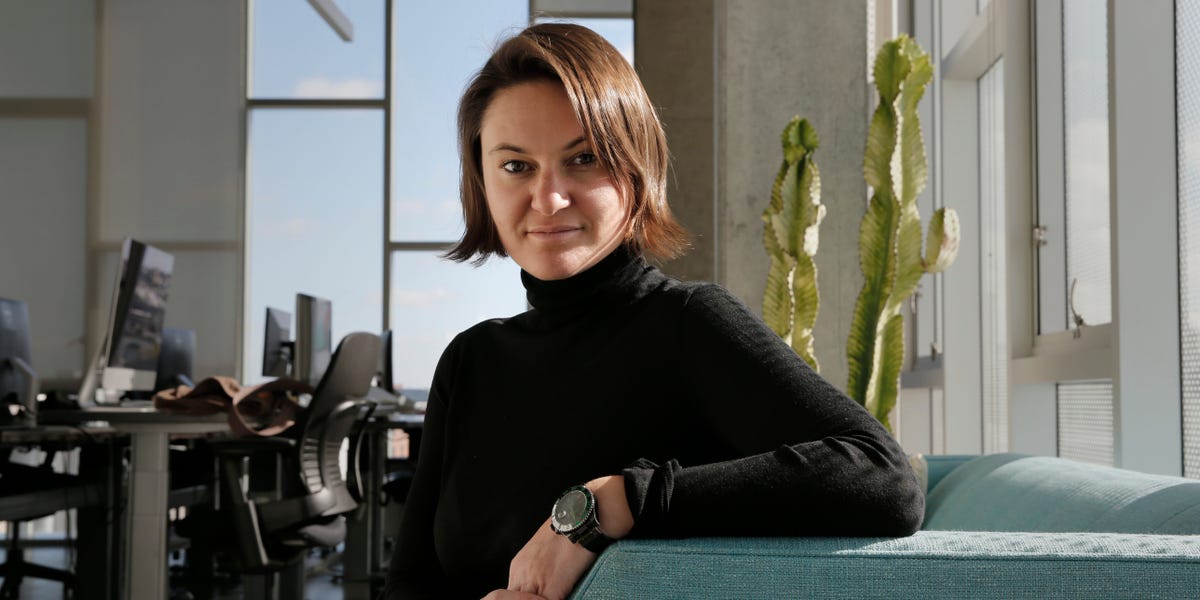
Eugenia Kuyda, who is also the CEO and founder of AI-powered mini-app platform Wabi, said during a recent live episode of the Platformer podcast that she believes “crazy protests around jobs and AI are going to start happening.”
“We’ll live in this very optimistic city where it’s all about like future, future, future, but as soon as you get out of here, like it’s pretty scary,” Kuyda told Platformer founder Casey Newton. “People are really struggling to find jobs, and I think this can only get worse.”
Kuyda pushed back on the argument that AI will create new jobs the way previous technological revolutions did, saying that companies, including her own, are already scaling back on hiring for entry-level roles.
“Probably tech needs to create a better narrative of how this is going to be, but I don’t believe in, ‘oh, it’s just another technology, and we’ll have even more — like radiologists still exist,'” Kuyda said.
“But I’m not hiring people anymore for these junior jobs, and I don’t know who is,” the AI entrepreneur added.
Hiring a more inexperienced person, she said, “becomes extremely expensive and completely not sustainable for a startup.”
“That’s like really bad news, frankly,” said Kuyda.
Kuyda declined to comment further when contacted by Business Insider.
Despite her concerns about AI’s impact on jobs, Kuyda says she’s optimistic about the rapidly advancing technology’s potential to enable more people to create software and build products on their own.
“I think that the idea that we can all be creators and can kind of channel our creativity a lot more, can build stuff that before was constrained by developers or designers or whatever — I think that’s kind of cool,” she said.
Kuyda also suggested AI could create an opening for entirely new operating systems, arguing that it may be the first time Apple’s iPhone has appeared vulnerable.
“This is probably the first time in history where the iPhone’s somewhat fragile,” she said. “Maybe there is a way to build a better operating system that’s more serving us versus serving companies through the apps that they built.”
Read the full article here