


Americans are drinking less alcohol than they have in decades, and beer is feeling the hit.
The FIFA World Cup 2026 is a huge opportunity to get Americans chugging again.
Molson Coors North America CMO Sofia Colucci told me the company is making its largest media investment in a live sporting event in the last decade — despite not being an official World Cup sponsor.
Mediaocean, a platform that manages ads across TV and digital, said the beer category is spending 20 times as much on advertising for this year’s tournament versus Qatar 2022.
Hosted across the US, Canada, and Mexico, this summer’s tournament is on home turf, with more games than ever before, and finally in a time zone that’s conducive to cracking a cold one while watching the action with friends.
“If beer sales don’t recover during the World Cup, then you would be pretty concerned about the beer industry,” Rabobank beverages analyst Bourcard Nesin told me.
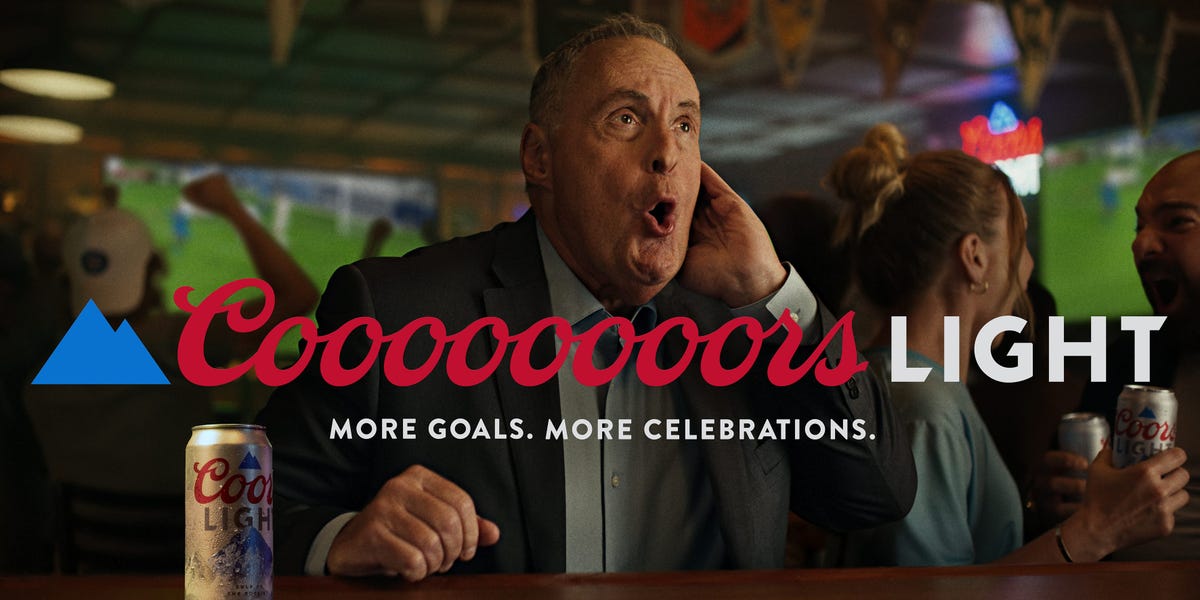
Molson Coors has 90 national spots planned across its Miller Lite, Topo Chico Hard, and Coors Light brands. “The Coooors Call” is the standout ad — and reminds me of Budweiser’s iconic “Whassup” commercial.
“In a time like this, it’s actually that much more important to bring the creativity and the unexpectedness,” Colucci said.
Molson Coors will be advertising in a crowded market. The World Advertising Research Centre predicts the World Cup will drive a $10.5 billion surge in global ad spend. At a time when bigger brewers like the official sponsor, AB InBev, will be flexing their heavyweight marketing budgets, local activations are key to Molson Coors’ World Cup playbook.
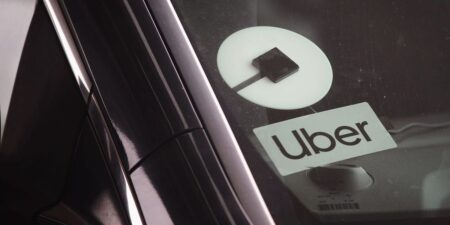
On-the-ground tactics include partnering with Uber to sponsor branded shuttles in New York City and to display in-car and in-app ads. Molson Coors is also hosting parties in markets like Chicago with Chelsea Football Club, and tapping influencers such as the hosts of the soccer podcast “Unfiltered.”
“We really see this as an opportunity to reach both our core drinkers as well as newer legal-age Gen Z drinkers alike,” Colucci said.
Why soccer and beer go hand-in-hand
About half of soccer fans typically buy beer when attending matches, according to the research company Mintel. That’s a higher rate than the overall sports fan average, including among the major US sports that beer advertisers tend to focus on.
Beyond the stadiums, separate data from the research company Fifty5Blue found that US adults interested in the World Cup are more than four times more likely than the average American adult to watch live broadcasts of soccer games in a bar or other venue.
Soccer fans also over-index on what marketers refer to as the “shoulder hours,” Mintel senior analyst Gabe Sanchez said. Sixty-five percent of soccer fans go out pre-kickoff, and 75% do so after the final whistle. That’s significantly higher than fans of football, basketball, baseball, or hockey, Sanchez said.
Mediaocean said spending on local TV buys has spiked, as World Cup advertisers look to target in-person fans and viewing parties in host cities. The cost for local spots in host cities are 50% higher than non-host cities, Mediaocean said. Meanwhile, there’s been a big uptick in Spanish-language local spot buys and those from Mexican beer brands, per Mediaocean.
Non-alcoholic beverages play a role, too
The rise of the sober-curious gives beer brands a new opportunity in the non-alcoholic category, Sanchez said. And Gen Z’s habits aren’t uniform: 49% of this age group say they’re drinking more, while 44% want to reduce their alcohol consumption.
From Molson Coors to Heineken’s recent “Fans Have More Friends” campaign and Budweiser’s “Let It Pour,” beer marketers are leaning into the drink’s power as a social connector — and highlighting their non-alcoholic options.
The World Cup winners among beer marketers will be the brands that “understand that beer’s future with younger consumers isn’t about drinking more, it’s about belonging more,” Sanchez said.
This points to a challenge for beer marketers that’s bigger than changing consumer tastes.
Earlier this year, Molson Coors CEO Rahul Goyal wrote an op-ed about how the entire beverage industry is tackling an “occasion problem.” Put simply: People are hanging out together less often. The loneliness epidemic is a buzzkill for beer sales.
The World Cup is the “biggest opportunity” for beer marketers to catch people during a summer of socializing, Rabobank’s Nesin said.
“It’s a Super Bowl that lasts an entire month,” he added. “It will certainly lead to an increase in sales. It’s just a question of: Will it meet the very high expectations they set up for themselves?”
Read the full article here