





Girls just want to have more protein — and the snack industry is cashing in.
Once tied to the gym-bro stereotype of mysterious powders and potions, the category has gotten a glow-up, turning niche products into breakout hits. Today’s protein snacks encompass a wide range of products, from meat sticks and chicken chips to popcorn and milk, as well as shakes and ice cream, all enriched with added protein.
As women increasingly embrace strength training and high-protein diets, they’re snapping up “clean ingredient” and “better-for-you” snack options in numbers brands say they’ve never seen before.
“The snacking and broader CPG industry have undergone a major shift in recent years, driven by consumers’ focus on functional nutrition,” Stacey Hartnett, SVP of marketing at Chomps, told Business Insider. “Research shows that 27% of women believe they aren’t getting enough protein, which is significantly higher than the general population.”
Chomps meat sticks are ubiquitous these days, sold in single-serving snacks next to cash registers and in value packs at Costco. More than 70% of their purchasers are women, many of whom are new to buying jerky-like treats, Hartnett said. They’re especially popular on forums among women who have recently given birth, thanks to their convenient, individually wrapped packaging, which makes them easier to snack on while breastfeeding.
Carmen Fadel, VP of marketing at Wilde — which creates chips made from chicken broth, egg whites, and bone broth — told Business Insider that “women are increasingly shaping the protein snacking category,” and that the company is seeing “strong demand for snacks built from whole protein ingredients.”
Wilde’s crisps are about as caloric as a baked potato chip, with 10 grams of protein per serving. Women make up more than 70% of the company’s customer base.
It’s not just consumer packaged goods that are leaning into the high-protein snack trend: Starbucks recently launched its lineup of protein milks and cold foams, and Chipotle debuted its first-ever snack item on Thursday: a high-protein cup, featuring 4oz of the customer’s choice of either adobo chicken or steak.
Women move the market
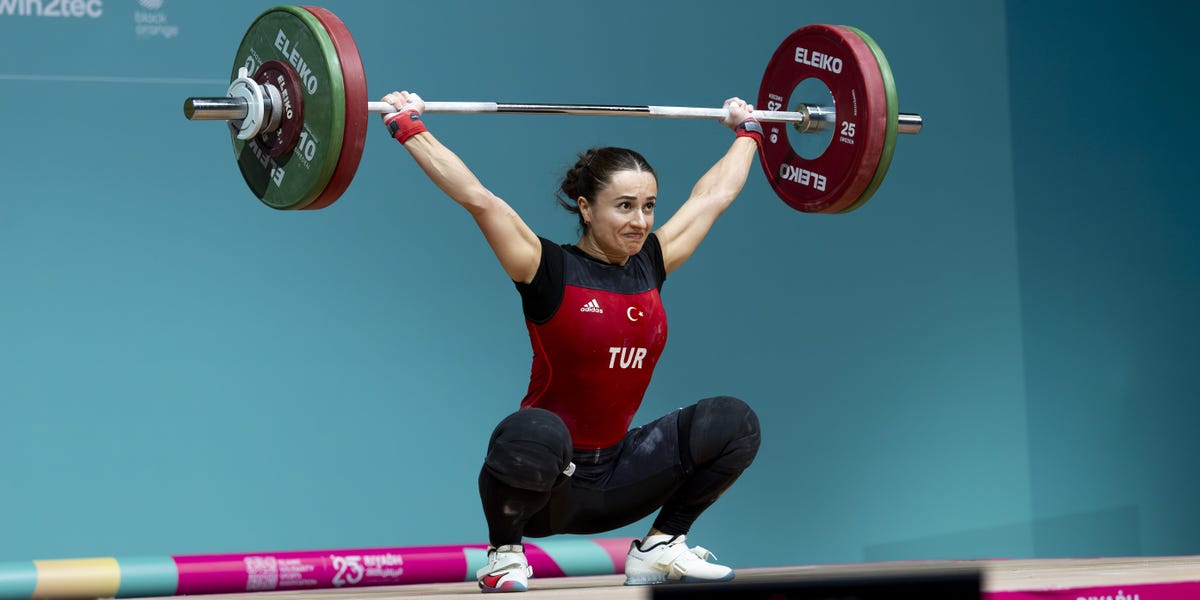
As more women embrace lifting weights and focus on strength, energy, and long-term metabolic health, they’ve increasingly sought out protein-focused snacks.
Google searches for terms like “muscle mommy” and “strength training women” have jumped this year — a sign that the strength-first mindset is no longer niche. On TikTok, women share “high protein grocery hauls” from Costco and Target, rating snacks not just by taste but by macros and ingredient transparency.
The rise of GLP-1 medications for weight loss, which require users to prioritize protein in their diet to maintain adequate nutrition, has accelerated the trend, creating a significant market opportunity.
As a result, the protein snack market is growing rapidly, with projections indicating that it will reach $32.01 billion this year and $46.34 billion by 2030, according to Mordor Intelligence.
“These snacks are moving from macho to modern, and it’s important for brands to make sure that they feel relevant to women, in particular, and easier to shop,” Jessie Zettler, executive creative director at the brand and packaging firm, PV&COHO, told Business Insider.
Women drive most household purchases, and when they collectively decide they want something, markets tend to reorganize themselves around that demand — and the brands that grasp this usually win big.
Targeting a female audience has transformed the trajectory of brands like Stanley, which saw its Quencher tumbler go viral after shifting its marketing focus from functional products for outdoorsy men to lifestyle products — largely geared toward women.
The same is true for energy drinks like Celsius and Alani Nu, which have centered women’s fitness culture and gained popularity after years of male-focused marketing from brands like Monster and Red Bull.
Functionally, the products are largely the same as those marketed to men. However, Zettler said, by embracing a softer and brighter color palette, modern, wellness-first packaging, and “clean” ingredient language to replace macho verbiage, these brands unlocked their feminine side — and with it, female buyers.
“The general aesthetic is to move toward a simple, minimalist, clean design with clear messaging and really dialing up the product benefits,” Michael Della Penna, the chief strategy officer at the digital advertising research firm InMarket, told Business Insider.
Don’t expect the trend to end with protein snacks. Jean-Pierre Lacroix, the president of brand strategy firm SLD, told Business Insider we’re in a moment of step change in consumer eating habits toward healthier, benefit-added foods — and even more ambitious products are on the way.
“This is only a stepping stone,” Lacroix said, adding that protein shakes and snacks complement a woman’s lifestyle needs, replenishing them and allowing them to regain their muscle mass, but those types of benefits in food will be “commonplace” in the snack aisle going forward.
“The food industry is training us to consume products that have health benefits as part of our day-to-day life,” Lacroix said. “And that’s going to lead us to feel comfortable buying products that are bioengineered to fit our DNA so we can live longer. That’s what’s next.”
Read the full article here