





I always imagined postpartum life as something I could manage with a bit of determination and the new glow of motherly instinct. But I realized I was wrong when I had my baby at 24.
I didn’t go through the whole nesting process. My hormones didn’t entice me to establish a homely space with my partner. In reality, I felt unprepared and unsure.
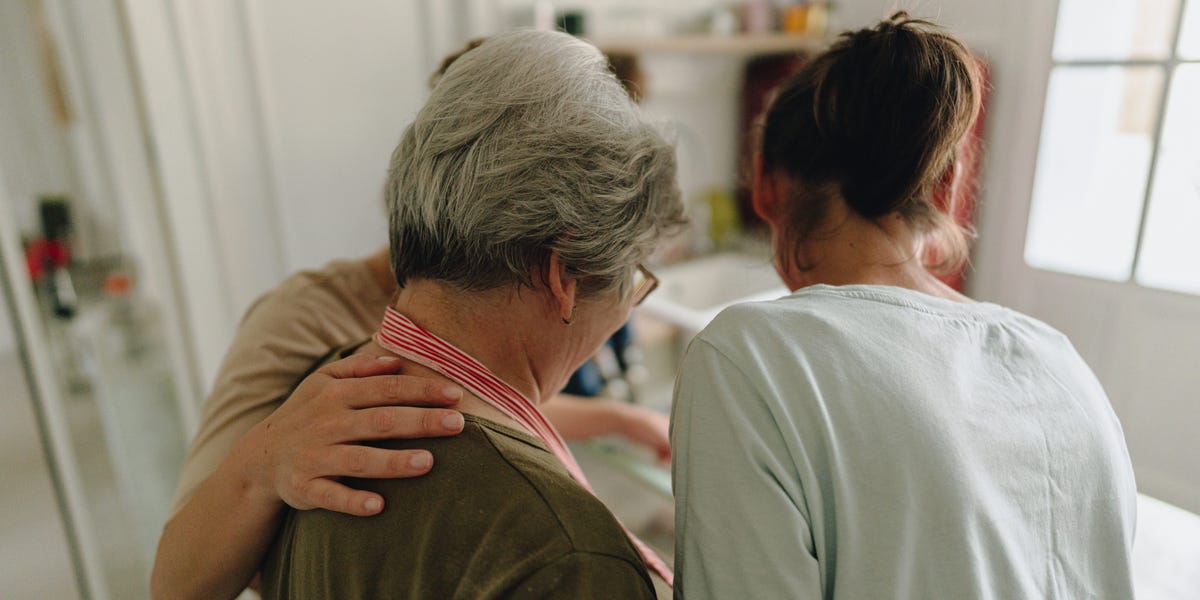
What I truly wanted was to be with my mom. How else was I supposed to survive the most fragile chapter of my life? Moving into my mom’s house with my partner and our newborn son was a no-brainer.
It didn’t just give us a roof over our heads; it completely reshaped the way I viewed multigenerational living.
I struggled with my mental health after giving birth
If my mom hadn’t been there — literally in the next room, ready to step in before I even knew that I needed help — I don’t know how my life would look today.
After giving birth, I struggled. I felt like I was drifting. I didn’t want to leave the house, take my son for walks, or even leave my bed. I struggled to come to terms with the fact that life had changed, and I wasn’t the same person anymore. Despite the immense love I had for my baby, everything felt dim. There was a strange mix of tenderness and numbness.
While I was dealing with my own internal struggles, my partner tried his best, despite the fact that he was also overwhelmed and unsure of what he was doing. My mum immediately became the steady rhythm on days that felt chaotic and unpredictable.
My mom was there to help me through all of it
She noticed things I didn’t know how to voice — new mom anxieties that I hid behind smiles, moments when my strength was wearing thin. She didn’t ask for explanations or lecture me on how to cope. She simply showed up, again and again, filling the gaps with patience, love, and practical help.
She cooked meals for us every single day, making sure we ate even when we were too tired to think about food. She took my son two or three nights a week in the beginning, giving my partner and me a chance to have uninterrupted sleep. She bottle-fed him, rocked him, and soothed him. She loved him with the same tenderness she showed my brothers and me when we were babies.
Bath time became her ritual. She handled it with ease and warmth, cooing gently at my son while he kicked the water, his tiny face recognising the woman who played a huge role in raising him. Watching her care for him reminded me that I wasn’t alone, that being a mother didn’t mean I had to carry every weight myself.
Every milestone he hit, like eating solids, teething, and potty training, she knew exactly what to do and was always on hand for a demonstration or advice. I never had to overthink things or worry about doing the wrong thing. She was always right beside me.
Most importantly, she reminded me that needing support didn’t make me a lesser mother. In her presence, I felt safe.
The multi-generational household helped me become a new mom
I remember reading an article in The Atlantic about how the idea of a nuclear family structure is a mistake, and I wholeheartedly agree.
How did we go from the old dynamic of “all hands on deck” — grandparents and grandchildren living in the same household with other family members — to the fragmented and somewhat fragile unit of just mom, dad, and children?
I’m so glad I didn’t fall for that narrative in my son’s early years.
Spreading out parenting responsibilities reinforces a sense of community, allowing me to actually bond with my baby without collapsing under pressure, and to slowly grow into motherhood with support rather than fear. I was healthy and happy, and above all, my baby was too.
Little by little, I came to understand that parenting isn’t meant to be a solitary endeavor; when they say it takes a village, they mean it.
Read the full article here