





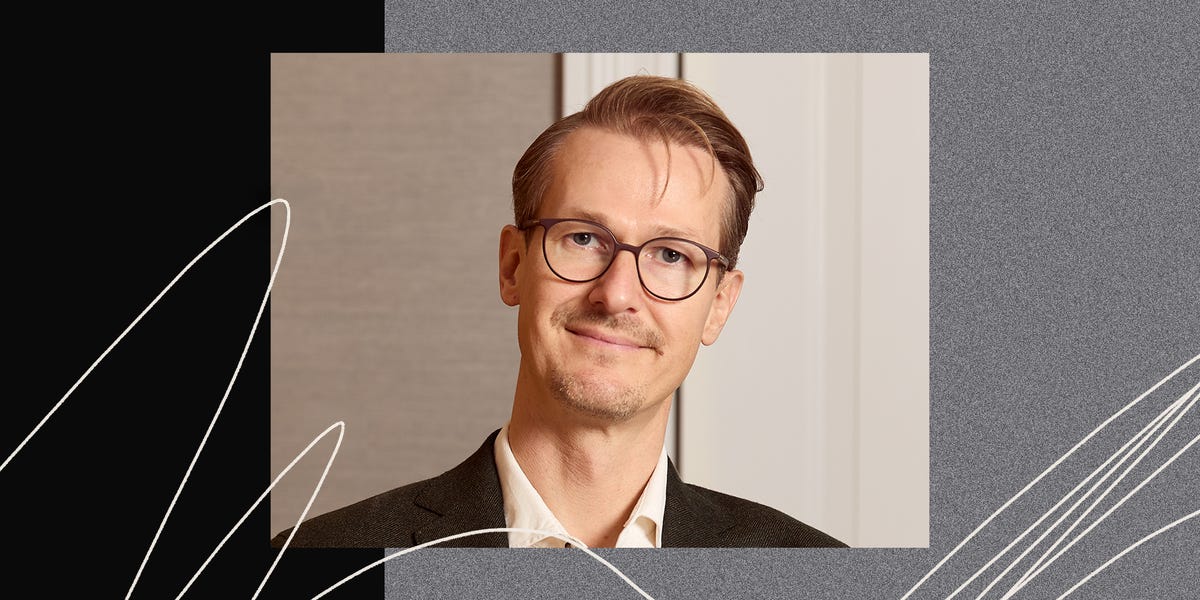
This essay is based on a conversation with Jan Gerber, 44, who runs the Paracelsus Recovery clinic in Zurich. Business Insider has verified his admission to another Swiss clinic for burnout. The piece has been edited for length and clarity.
In 2022, I realized something was wrong. I had almost lost my company, my marriage was falling apart, and it felt like everything hit all at once. I did outpatient therapy while things were unraveling, but I was clearly getting worse.
About six months later, that December, I checked myself into an inpatient program in Zurich, where I was diagnosed with acute depression brought on by stress. The symptoms fit burnout, too — burnout and depression often overlap.
At the time, I had spent 12 years helping other people recover from burnout, depression, and addiction. I’m the founder of Paracelsus Recovery, a private clinic in Zurich that treats executives, founders, and ultra-high-net-worth individuals who require discreet and private care. A six-week stay can cost around $800,000.
CEOs and the ultrawealthy need discreet treatment
It all started when a friend of a friend, the CEO of a major, publicly listed corporation, called my parents, who worked in the mental health space, for help, and moved into their guest room for treatment. The person needed very discreet treatment for alcohol addiction — if it went public, the stock market impact could have been in the billions.
I previously worked in consulting and medical concierge services, and had launched my own businesses in the travel sector. So, the entrepreneur in me realized there was a niche here: offering discreet treatment for people who couldn’t just go to any old rehab.
In 2011, I co-founded a clinic in the high-end mental health space with my mother and then step-father, which initially offered one-on-one care. In 2012, this became Paracelsus Recovery.
In the early years of Paracelsus Recovery, we had a small number of clients, but it took years to establish a reputation. The high cost is a big hurdle for potential clients. We primarily find ultra-high-net-worth clients through family offices and membership organizations, such as Campden Wealth.
About half are members of wealthy families, trust fund babies who don’t develop a sense of purpose or drive. The other half is a mix of royalty, entertainers, entrepreneurs, founders, and top executives — those who have the funds to come to us.
Clients rarely experience burnout on its own. In many cases, people are self-medicating and in a cycle of taking downers like sleeping pills in the evening, then stimulants in the morning, such as ADHD medication or illicit drugs like cocaine. Eventually, they reach a dead end.
The breaking point for burnout comes late
Often, burnout is not solely prompted by the number of hours worked, but also by the responsibility of overseeing thousands of employees, investors, and business partners, which weighs heavily on their shoulders. If you’re in the public eye or run a public company, where, for example, earnings aren’t meeting expectations, that can also have a significant impact on stress levels.
The average worker typically seeks burnout treatment after a spouse, their kids, or employer tells them they can’t show up late or get drunk every night anymore. Founders and professional executives tend to have much more to lose, and a network of people who help them conceal some of their issues. As a result, they’ll hold on for dear life until they just can’t anymore. And, in general, they seek help much later.
Sleep is usually the first to go. That was a massive red flag for me. I used to be a good sleeper, even in stressful times, but it started to deteriorate — not just a week or a month, but about half a year of restless nights. By the time these CEOs seek treatment, it’s often when a substance is involved, and it’s showing up as a fatty liver or cardiovascular issues, coming from alcohol abuse, for example.
We offer a 10-day program called an “Executive Detox.” These programs don’t solve everything, but they stabilize clients and buy them some time. On average, people stay with us for six weeks; however, in extreme cases, they may stay for six months or more.
A week at Paracelsus Recovery costs around £100,000, or about $131,000. This includes a private residence, a chef, a driver, a live-in therapist, and a daily schedule of psychotherapy, medical treatments, infusions, and complementary therapies such as yoga, acupuncture, and fitness training.
My own treatment at another clinic encouraged me to introduce treatments such as shiatsu and breath-work.
Success is relative. For me, it mostly means that someone leaves equipped with the tools to live a better life. Treatment at a clinic like Paracelsus Recovery is what I consider an acute stabilization, while the real work happens afterward. People should have ongoing therapy and support.
The key thing is to pull the emergency brake
To recover from burnout, the most vital thing — and it’s hard for career executives and entrepreneurs to hear — is to pull the emergency brake. If you continue to hold on for another week, another month, or step back halfway while the stress persists, you’ll still crash.
You have to decide between investing in the quality of your life over just your career trajectory.
Personally, I didn’t do that. For the sake of business continuity, I had to hang on. I still haven’t fully recovered. I still feel brain fog from being burned out, and my memory is worse than it was. I’m not sure if it will ever return.
But my own experience, and my treatment at another clinic in Zurich, taught me about the value of proper inpatient treatment.
At Paracelsus Recovery, we typically treat only three or four clients at a time, which makes for a warmer and more personal experience, whereas the Swiss Clinic I attended had a capacity of about 75 patients.
Our patients stay in penthouse apartments with lake views, where most of their treatments take place. No day is like another, as treatment is tailored for each client. They have access to medical treatments, a midday IV to rebalance their biochemistry, as well as a personal trainer and private chef. Their food and supplements are curated based on their lab tests and genetics.
Yes, the price tag is very high, but you get a lot for your money. Besides, there’s no price on health and well-being.
Read the full article here