


This as-told-to essay is based on a conversation with Griffin Johnson. It has been edited for length and clarity.
I grew up on a farm in the Midwest. Like a lot of farm kids, I was around horses, but I didn’t know anything about the sport of horse racing. My dad is a factory worker, and my mom’s a nurse. They raised our family on about $60,000 a year, and we had no financial literacy. From the horses themselves to the fancy outfits at the Kentucky Derby, everything about racing felt unattainable.
I enrolled in college, planning to become a nurse, like my mom. I started posting on social media, showing snapshots of my day as a male nursing student. I was an early adopter on TikTok, and my posts took off. The pandemic TikTok craze really benefited me. Today I have 9.6 million followers on TikTok, 2.6 million on Instagram, and about 67,000 followers on Facebook.
I was determined to leverage that following into something even more substantial and sustainable.
I used social media to get ownership of my first horse
I finished my nursing degree in 2021. Yet, by then, I realized that I had something much more valuable on hand: an audience. In 2021, I started Animal Capital, a firm that helps brands connect with their target customers through influencer and celebrity partnerships. I didn’t bring cash to the enterprise, but was able to leverage my audience to attract investors.
My cofounder was involved with horse racing. He saw how the horse racing industry could benefit from partnerships like those we were pursuing at Animal Capital. He connected me with West Point Thoroughbreds, which owns many horses.
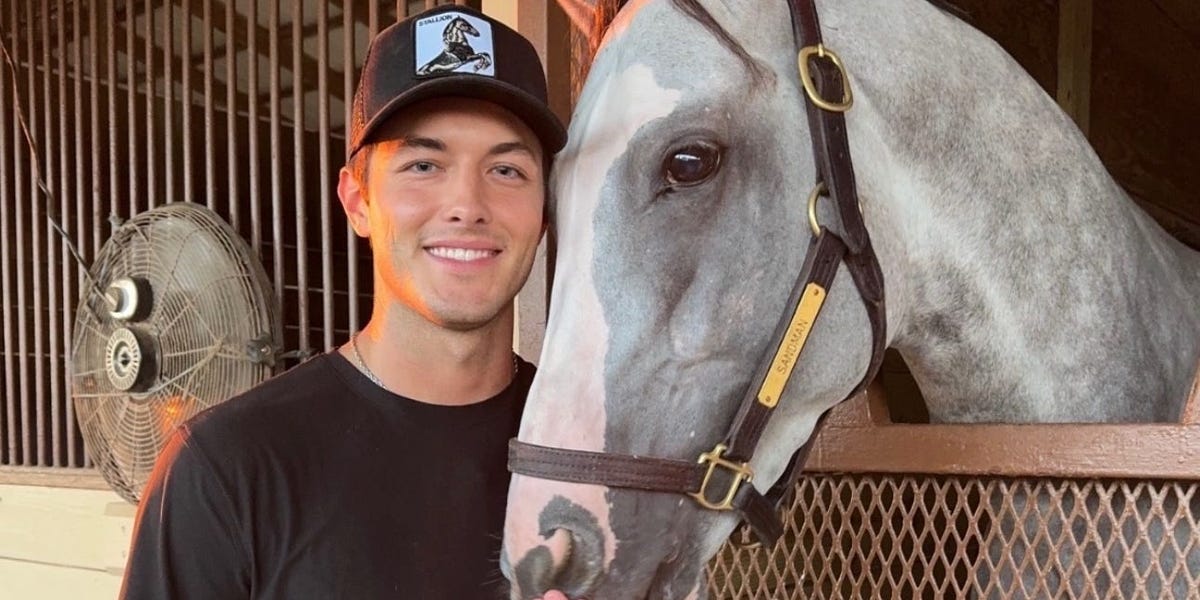
We reached a deal: I would take a 2.5% stake in a racehorse named Sandman. In exchange, I would post about what it’s like to be an owner. There wasn’t a formal number of posts required. By that point, I had learned a bit about horse racing and just wanted to post for the love of the game.
I’ve won about $25,000 from that horse
Once I got into horse racing, it was hard to stop. I now own equity in four horses, and I’ve been a partner at West Point Thoroughbreds since 2024. I love the competition, and feeling like I’m part of a team — it’s how I imagine it feels to be involved with Formula 1.
There’s a unique bond between humans and horses. It’s like we evolved together. I ride casually, though not the thoroughbreds that I own. Still, I spent about 90 days in the barn last year, and there’s a connection that comes from that.
Of course, there’s also money. Sandman won the Arkansas Derby, which paid $1.5 million. From that, the jockeys, trainers, and other staff are paid. I made about $20,000 for my 2.5% ownership stake. Overall, I’ve made about $25,000 total from owning Sandman and have won smaller amounts from my other horses.
I’ve been able to network with other owners
I’ve learned that horse racing isn’t just for old rich guys. That’s part of my work — to show that this sport is more accessible than people might think. People without much wealth can buy small stakes in their favorite racehorses, much like buying stocks. Even fancy tracks, like Churchill Downs (home of the Kentucky Derby), do $2 beer nights, which is just a fun environment to be in.
Being at the track on race days, the crowd is so diverse. Some people have never set foot on a college campus, but they know everything there is to know about horses. Others are business people who have made millions.
Having a common interest with those people has allowed me to expand my network and access amazing mentorship. One of Sandman’s other owners is Vinnie Viola, a billionaire and owner of the Florida Panthers NHL team. I’m 26 years old and have had the chance to ask him for advice.
On race day, some of the wealthiest and most successful people in the world come together in one spot, and being an owner gives me a ticket to join them.
Read the full article here