




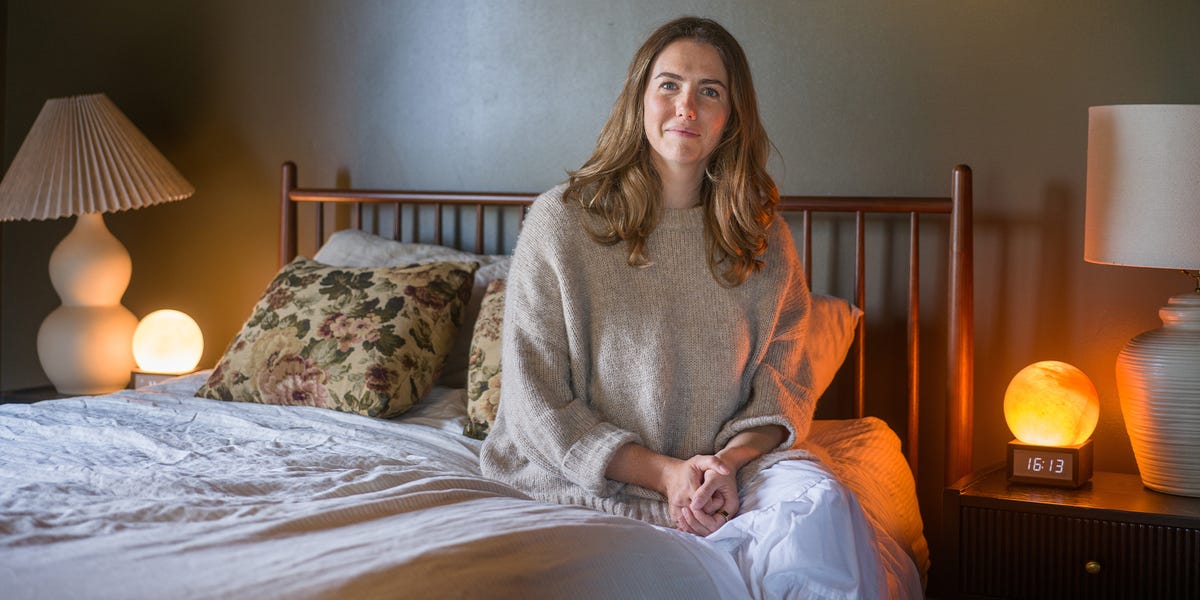
This as-told-to essay is based on a conversation with Emily Byrne, the founder of Rise Centered, a company that makes sunrise alarm clocks from natural materials. It has been edited for length and clarity.
I launched a sunrise alarm clock made from natural materials on Kickstarter in 2023, raising nearly $200,000 from roughly 1,500 backers in one month.
The Kickstarter was useful beyond raising funds to manufacture our first batch of alarm clocks. It helped me learn the value of getting customer input early on and understand the financial realities of running a product business. It also provided proof of concept so I could further grow the business.
After nearly three years of product development and multiple trips to China to get the product right, we launched direct-to-consumer in late 2024. Since then, we’ve grown to nearly $1 million in cumulative sales.
Kickstarter wasn’t cheap, but it was a useful guide for launching
I considered multiple options for funding my business: getting a grant, asking family and friends for investments, and self-funding with my savings.
After talking to founders who had made physical products before, I decided on Kickstarter because it lets you test and refine your product in the market before you invest tens of thousands in production.
Before we launched the Kickstarter, I ran ads for several months saying we were going to launch there, asked people to share their emails to be notified when we went live, and gave the option to pay us $1 for early access. This idea came from Launchboom, a crowdfunding education and coaching platform I joined.
With these steps, I got about 17,000 email addresses, so I could build a list that could help make our Kickstarter campaign successful.
I also got a strong indication that people were interested in my product idea. Plus, they asked questions I used to refine my idea: How many alarms does this have? Can you turn the clock face off?
Since we weren’t in production yet, that feedback was valuable for aligning the final product with customer desires.
As a new business owner, I learned valuable lessons early
Still, running a successful Kickstarter campaign is not cheap. The LaunchBoom program, for example, cost about $7,000 to join.
As part of that, you run Instagram ads, which I spent about $35,000 on between May and October when we ended the campaign. We were getting great ROI on that ad spend, and it was worth every penny, but it was nerve-racking since it was my own savings.
It was exciting to raise $200,000, but we used it pretty quickly. First, Kickstarter takes a cut. The rest went to buying products to fulfill those initial orders, shipping, marketing, and purchasing more products to grow the business.
Still, going through the Kickstarter process meant I could learn from mistakes early on as a new business owner, like opening our Kickstarter to worldwide orders. That helped us reach more people and raise more money, but I had to ship clocks all over the world, which cost as much as the clock itself in some cases. We now ship only to the US and Canada.
A lot of our money still gets tied up in inventory, but it’s because the Kickstarter taught me the realities of our production timeline. We ended up delivering the product to our Kickstarter backers a full year after it was promised because of our long supply chain.
Now I know to purchase inventory ahead of time and that I have to put more of my savings into the business to pay for marketing and my small staff until we make that money back.
A useful reminder when faced with challenges
The Kickstarter also showed me there was an audience seeking a sunrise clock made from natural materials, which helped me stick with the idea when production got difficult.
These types of products are often made of plastic because it’s easier than working with natural materials, so finding a manufacturer was challenging; I found ours when I saw a Himalayan salt lamp I liked at Whole Foods and traced it back to its manufacturer.
Our labor costs are higher and our production times longer than if I worked with plastic, but our unique position in the market has helped us, too.
When we launched on Kickstarter, ELLE reached out and put us in their 2023 gift guide; CNN has named us the best holistic sunrise alarm clock for two consecutive years. I only recently hired public relations support, so all of that coverage has come from word of mouth rather than pitching.
We’re also planning to launch some new products next year, and thanks to my experience with Kickstarter, we’re doing sneak peeks to gauge interest and get early feedback.
Read the full article here