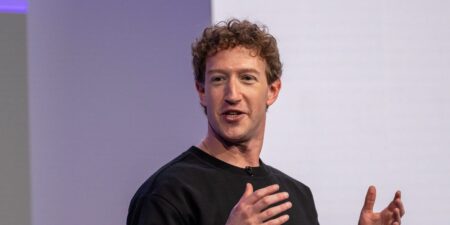



Apple CEO John Ternus marked his first day in the top job at the tech giant on Tuesday, with the company embarking on a new era after former CEO Tim Cook stepped down from the role after 15 years.
Cook, who will remain with Apple as the company’s executive chairman, saw the diversification of its product offerings with the release of devices including the Apple Watch and AirPods, as well as its growth into services through offerings like Apple Pay.
The company also saw explosive growth, becoming the first publicly traded U.S. company to surpass $1 trillion in market capitalization in 2018 – which has since surged to about $4.75 trillion.
Ternus is an Apple veteran who has worked at the company since 2001, primarily in its product design and hardware engineering teams. He joined the executive team in 2021, and his tenure has involved designing and managing the hardware for Mac, iPad, iPhone, Apple Watch and Airpods, while he also oversaw the transition to in-house Apple Silicon chips across most of its major product lines.
TIM COOK’S LAST DAY AS APPLE CEO: HOW HE LED THE TECH GIANT’S RISE TO $4T
Leander Kahney, the editor and publisher of Cult of Mac and the author of six books about Apple, told FOX Business that he thinks it’s “a great thing that he comes from a product background because he has that sort of product focus, and Steve Jobs obviously had that too… he was the consummate product guy.”
“I think there’s a continuum between Jobs and Cook and now Ternus, and it’s that focus on products,” Kahney said. “John has worked on every major product that Apple has put out in the Tim Cook era, and he’s deep in the weeds.”
Kahney said that Apple’s focus on manufacturing allows it to make a range of consumer products, but that requires a “deep, deep expertise in how to make things, and Ternus definitely has that.”
“He’s deeply invested in Apple culture, he knows how Apple works, he’s got a great team of people around him,” Kahney added.
APPLE RAISES IPAD AND MACBOOK PRICES AS MEMORY CHIP COSTS SURGE
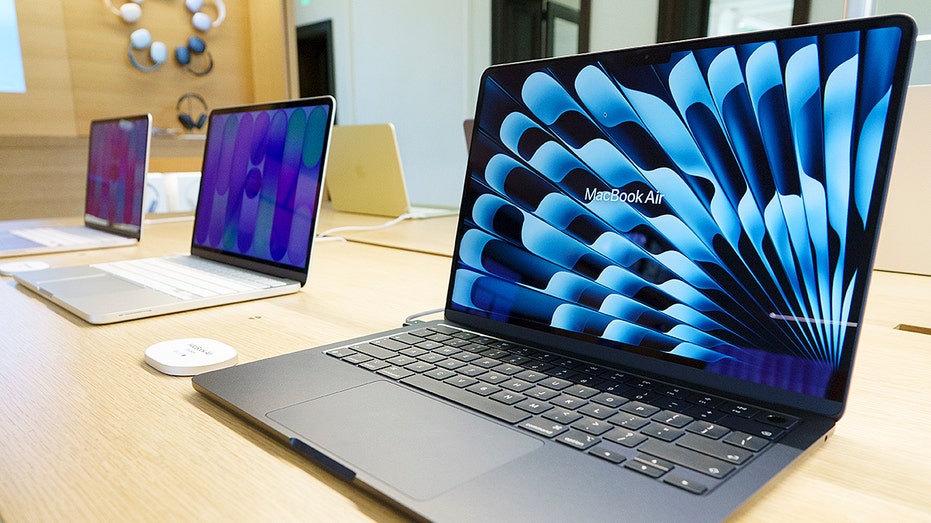
One area where Apple has been perceived by some observers as lagging in recent years was in the deployment of AI tools, particularly following the rollout of OpenAI’s ChatGPT, Google’s Gemini and other competing chatbots.
Kahney said that Apple was moving much more slowly and taking a cautious approach to developing AI models, it has avoided privacy issues related to the deployment of those tools. He added that the company’s development of hardware that’s capable of running AI models presents “a good argument that Apple isn’t lagging at all.”
He said that Apple has been building neural engines and AI hardware into its devices which has helped drive demand for Mac products amid the AI boom, creating an “enormous installed base of very, very capable AI devices that they can take advantage of when they start rolling out the models for it.”
APPLE TO WORK WITH INTEL ON US CHIP DESIGN AND PRODUCTION, TRUMP SAYS
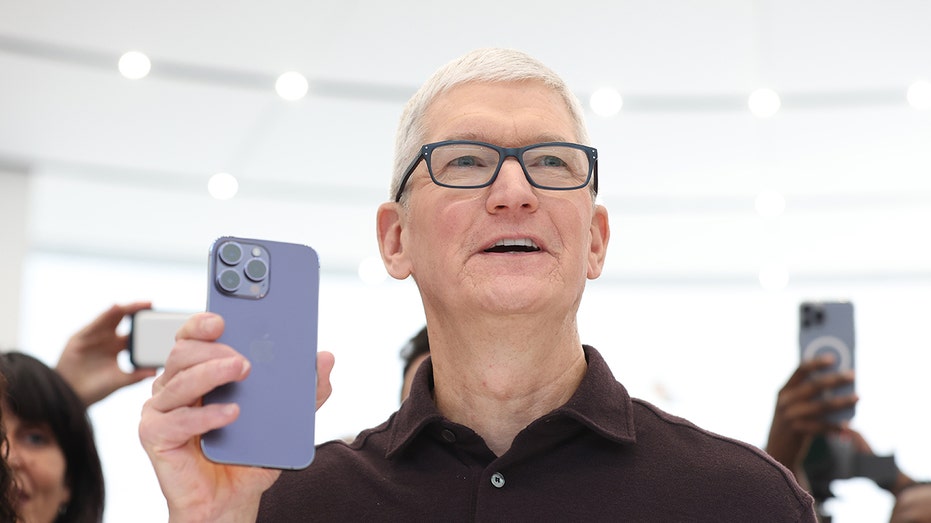
Apple has recently announced price increases for various products due to the shortage of memory chips, as well as the time it takes for new chip fabs to be built and begin production.
TSMC, a key partner of Apple, is building plants outside of Phoenix that are expected to eventually produce cutting-edge chips and also handle the packaging of them in the years ahead – though the chip manufacturer also faces heavy demand from AI hyperscalers that can strain its capacity in the near-term.
“It’s a huge challenge, but it’s a challenge for everyone in the consumer electronics space. Everyone’s coming up short of the chips they need because the AI companies are pouring such enormous amounts of money into the data center buildout,” Kahney said.
He noted that Apple has sought to diversify its base of chip suppliers by turning to Intel, which it relied on exclusively for more than a decade to power its Mac product line, as well as some iPhone designs, before it opted to shift its chip design work in-house.
“This is smart of Apple to diversify its suppliers and to support a previous partner that was obviously very successful for them in the Intel era before it went a bit sideways,” he said.
Read the full article here