




Let’s rewind almost 180 years.
You run a hardware store that does decent business when suddenly people start buying picks and shovels. Like, a lot of picks and shovels.
Before you know it, business is booming. They’re chasing gold, and they need your tools to find it. Not everyone succeeds, but that doesn’t matter to you. You’re selling the dream of a gold fortune, not chasing it.
Then a thought creeps in: How can I get in on the action? Your picks-and-shovels business might be insulated from gold mining’s risks, but it’s also missing out on its biggest rewards. And besides, this run might not last forever.
So you start selling maps of the gold mines. Build a barracks for prospectors to sleep in. Even lend some of them money. You’re not technically mining, but you’re getting awfully close.
The questions then become: Are you building a business empire? Or just trying to keep the gold rush going?
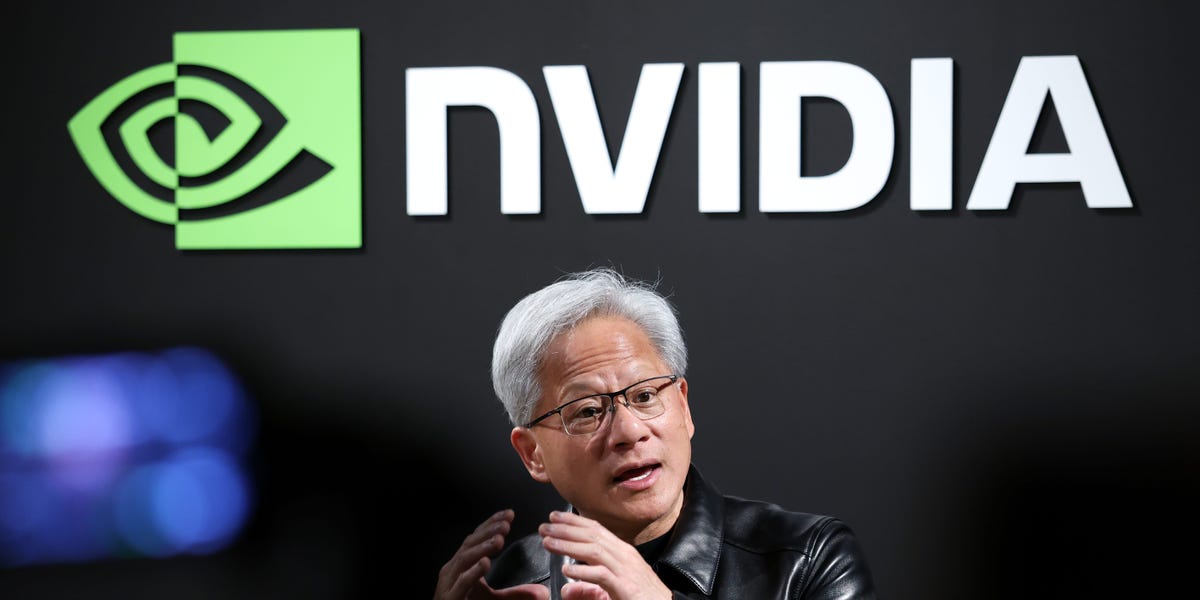
That’s the debate surrounding Nvidia’s ever-expanding business plans.
Earlier this week, my colleagues Katie Roof, Geoff Weiss, and Ashley Stewart broke the news that Nvidia was in talks to acquire Hugging Face for more than $13 billion. (Katie also had the original scoop Sunday that Hugging Face was on the market.)
Hugging Face is ground zero for open-source AI models. The platform hosts more than 2 million of them. With cheaper open models gaining traction, it makes sense for Nvidia to cozy up to those developers. (It’s also already an investor in Hugging Face.)
And as Geoff explains, building deep bonds with that community could serve as a useful hedge against top AI labs that might eventually try to cut Nvidia out by creating their own chips.
It’s also another example of Nvidia moving away from a pure picks-and-shovels approach to the AI boom and getting closer to the actual mines.
From backstopping loans for companies’ massive AI buildouts to partnering with Wall Street firms to finance $500 billion in AI infrastructure, we’re a long way from Nvidia just selling the GPUs that power the AI boom.
Overall, Nvidia’s been on a dealmaking spree. Its investments in private companies were worth $47.9 billion as of late July. That’s more than double what it was at the end of January ($22.3 billion).
Some will argue that’s just good business for a company trying to maintain its place at the top. And since Nvidia’s sitting on a mountain of cash, why not spread its bets?
But at what point is it less about growing your business and more about making sure there are still people to buy from you in the first place?
Read the full article here