




AI is escaping the tech industry. The latest evidence suggests the technology is no longer confined to software engineers and data scientists; it’s spreading into the broader economy — even in Europe.
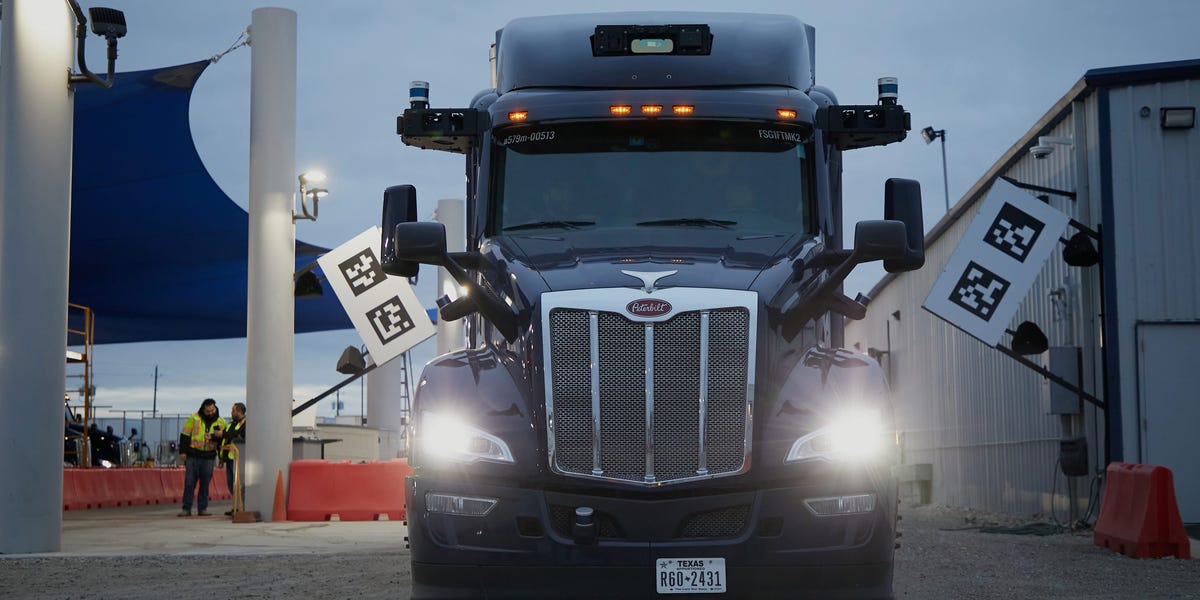
New data from Indeed shows employers are increasingly adding AI directly into job titles for non-tech roles in sales, HR, legal, customer support, education, healthcare, and even trucking.
In the US, the number of “AI-touched” job titles has more than tripled since 2022, while in five of six major markets, most AI-labeled jobs are now outside the tech sector.
One reason this matters is that more employers are making AI a core part of the job itself. Indeed found that in five of the six markets it studied, most AI-labeled roles are now outside the technology sector, with Germany, France, the UK, and the Netherlands all joining the US in seeing AI spread across white-collar professions. Spain was the only exception, where AI hiring remains concentrated in traditional tech jobs.
The shift is showing up in surprisingly familiar occupations. Employers are advertising for AI-enabled physical therapists, truck drivers, HR managers, marketers, salespeople, and teachers, reflecting demand for workers who can use AI tools rather than build them.
That’s an important distinction: the AI economy is increasingly about augmenting existing jobs, not just creating new technical ones — a sign that AI adoption is becoming a broad workplace phenomenon rather than a Silicon Valley story.
Sign up for BI’s Tech Memo newsletter here. Reach out to me via email at [email protected].
Read the full article here