





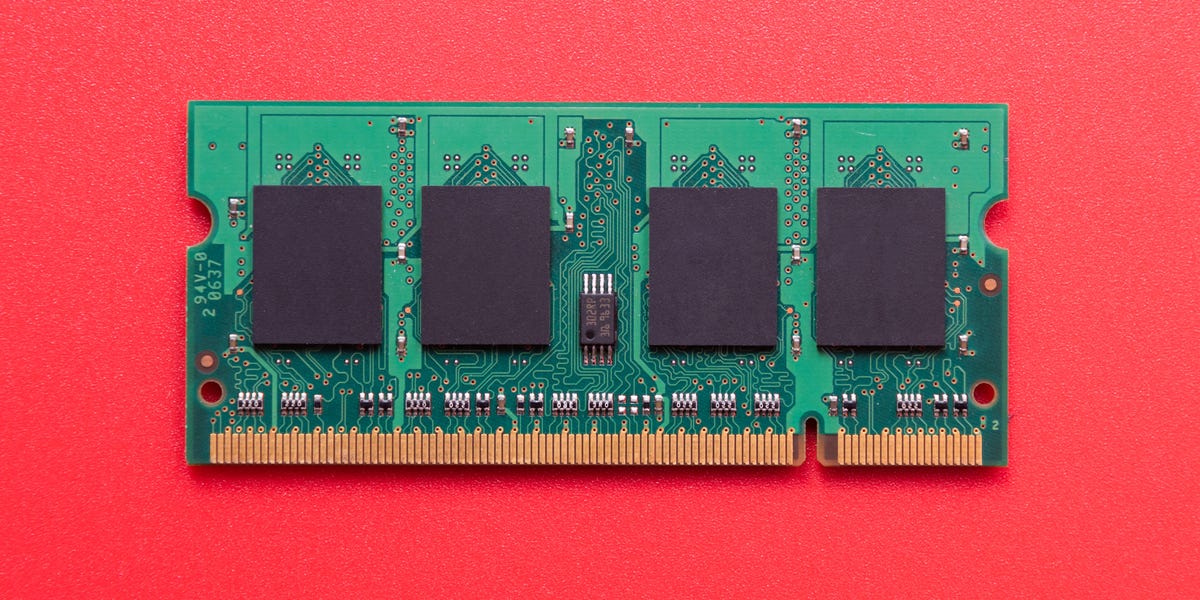
The memory shortage at the heart of recent price hikes on consumer electronics is expected to get worse, with CEOs and analysts expecting further pricing pressures into 2027 and possibly beyond.
The issue is simultaneously a consumer problem (shoppers are now paying more for Apple products and Xboxes), a supply-chain problem (companies face higher component costs, tighter margins, and increased competition for memory amid the AI data center build-out), and a PR problem (data centers were plenty polarizing before being tied in a roundabout way to consumer price hikes).
There’s no quick fix, as the Great AI Infrastructure Buildout pits tech hyperscalers (think Meta, Google, and Amazon) against consumer electronics makers (think Apple, Xbox, and scores of other gadget makers) jockeying for capacity from the memory manufacturers.
Memory suppliers are faced with unprecedented demand and deciding which type of memory chips their manufacturing lines will make — and many have been seizing the moment and re-jiggering allocation in favor of the deep-pocketed AI hyperscalers.
We’re already well along into that new reality, but the share of memory capacity going to data centers is expected to grow.
Just take a look at what analysts, research firms, and CEOs have said in the last month:
- TF International Securities analyst Ming-Chi Kuo wrote in a note over the weekend that, “Of the memory capacity allocated to consumer electronics in 2026, an estimated 15—20% is expected to shift to data centers in 2027, and that share could grow.”
- Micron CEO Sanjay Mehrotra said on the memory makers’s June 24 earnings call that “demand continues to significantly exceed industry supply” and he expects “tight conditions to persist beyond calendar 2027 as a result of AI-driven demand across all segments coupled with structural supply constraints.”
- Research firm Trendforce wrote on June 22 that the three major DRAM suppliers “continue to prioritize advanced-node production to support growing demand” being “driven by AI infrastructure investments.”
- Jefferies analysts recently wrote in a note last week that memory consultant Ethan Tan expects memory pricing will rise 40%-50% quarter-over-quarter in Q3, and by another 30%-40% in the Q4. He expects 2027 price hikes of around 40% to 45% year-over-year.
- While announcing its third round of Xbox price hikes since 2025, Microsoft signaled further pain ahead: “Unfortunately, console storage and memory prices have increased by more than 2.5x and we expect another doubling by the fall of 2027.”
- IDC wrote in a June 2 report that “the global PC market is heading into a turbulent second half of 2026, and there’s no quick fix on the horizon.” The market research firm “forecasts global PC shipments will decline 11.3% for the full year, with conditions worsening progressively through Q4, when shipments are expected to fall 20% year-over-year.”
- Apple boosted Mac and iPad prices, along with other accessories, by hundreds of dollars, with Tim Cook saying memory pricing is “a hundred-year flood,” and consumer “price increases are unavoidable.”
- Elon Musk agreed with Cook, calling it the “biggest price jump in anything I’ve ever seen,” the “production shortfall relative to demand is insane,” and “MUCH higher production is needed.”
The good news is that there are efforts underway to expand the memory supply, which, in theory, should loosen the boot currently pressed against the throat of consumer electronics companies.
But spinning of memory chip production lines takes time — and there’s no guarantee that companies like Apple will decrease MacBook or iPad prices even if their component costs decrease.
In the meantime, the impact of the AI buildout is burrowing into people’s wallets in a way that’s become impossible to ignore. Don’t expect that to change anytime soon.
Read the full article here