



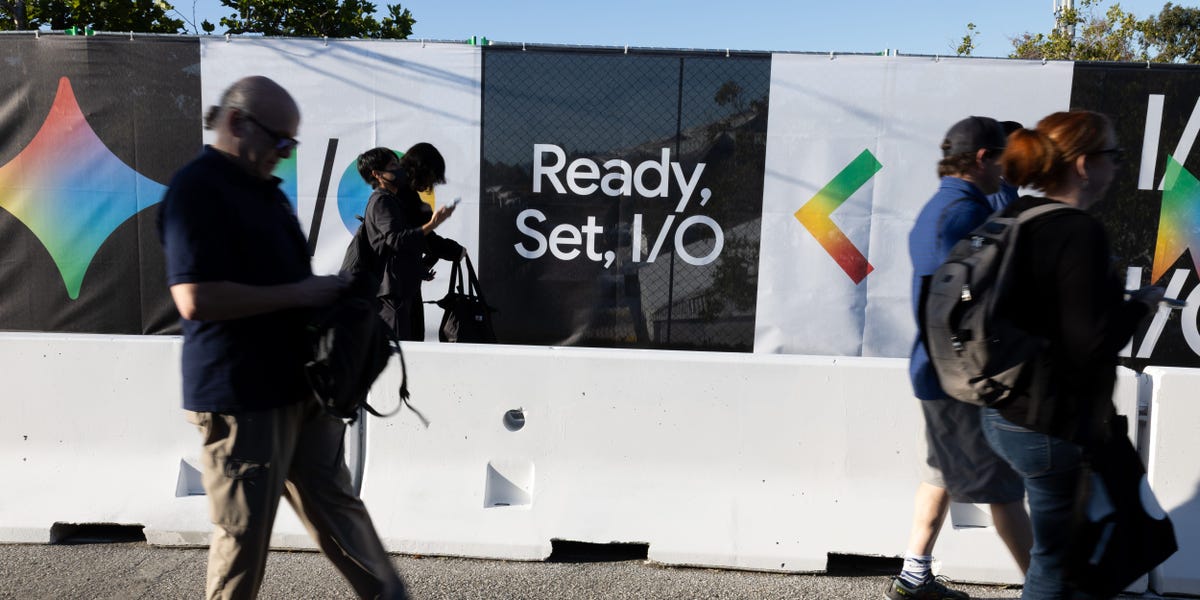
The adlanders in my WhatsApp chats have been digesting the slew of Google search and ads announcements last week.
Which ones actually mattered to CMOs? It’s all about those agents.
First up, Google has a collection of new agents, including one that takes actions in the background on a user’s behalf, from planning parties to alerting them when their favorite sneaker brand drops a new collab.
Elsewhere, the agents are coming for travel booking and restaurant reservations, and there’s a new “Universal Cart” that works across many of Google’s products.
“The purchase journey for an entire set of categories may now bypass your website entirely,” Tobias Cummins, chief operating officer of The Brandtech Group’s generative AI creative platform, Pencil, told me. “That is a structural change.”
Marketers need to ensure AI models think their brands are worth recommending. Brand distinctiveness and human creativity are still key.
AI models are now training on video, image, and audio as important signals for their recommendations.
“Video in particular is the most underestimated signal right now,” Cummins added.
Google also wants to make creating campaigns easier with a new natural language “Ask Advisor” agent across its ad buying, analytics, and marketing tools.
“The technical ability to build a campaign will no longer provide a competitive advantage for brands or for agencies — potentially even shaking up the traditional agency model,” Tory Lariar, an SVP at the marketing agency Monks, told me.
I’ve seen some commentators predict that, all told, Google’s expanded search and agent army are more nails in the coffin for web traffic. However, how quickly consumer behavior will change is an open question — and Google says it’s continuing to show its familiar blue links in its search results and in its AI experiences.
Does the open web still have life left in it yet?
Let me know: [email protected].
Read the full article here