







Three major hospital systems on Monday filed lawsuits accusing CVS Health and its subsidiaries of running a secret scheme that allegedly siphoned hundreds of millions of dollars away from hospitals serving vulnerable and uninsured patients.
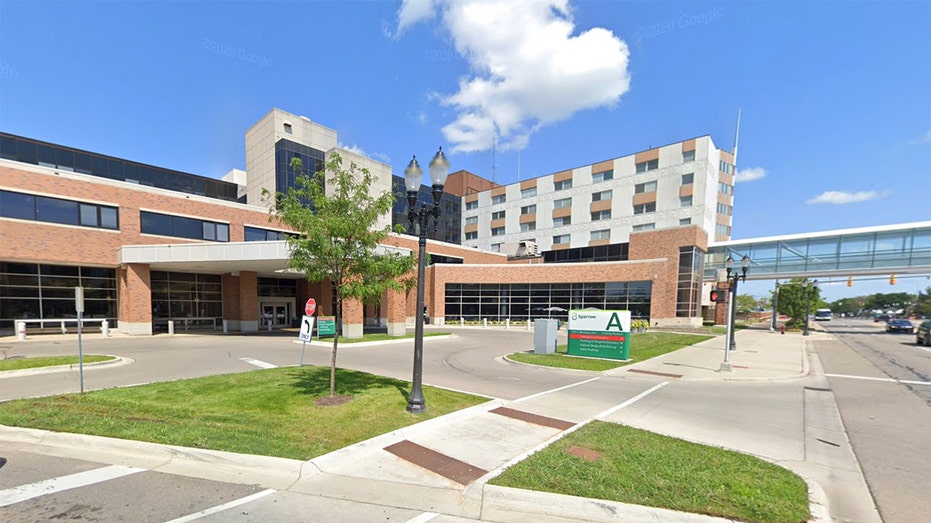
The lawsuits – filed by Mount Sinai in New York, University of Michigan Health and Sparrow Hospital, and the University of Kansas Hospital Authority – claim CVS manipulated reimbursements tied to the federal 340B Drug Pricing Program and kept the difference as profit, according to complaints obtained by FOX Business.
The hospitals allege insurers and patients paid full price for specialty drugs, but CVS later reduced payments to hospitals through affiliated companies, including CaremarkPCS, CVS Specialty, Caremark LLC and WellPartner.
The lawsuits estimate massive financial losses. Mount Sinai claims more than $121 million in losses since 2020. University of Michigan and Sparrow allege more than $66 million in losses. University of Kansas Hospital Authority alleges nearly $62 million in losses.
CVS, WALGREENS PULL BACK COVID VACCINES IN MORE THAN A DOZEN STATES FOLLOWING NEW GUIDELINES
At the center of the cases is the federal 340B Drug Pricing Program, which allows qualifying hospitals to buy expensive medications at discounted prices and use the savings to help fund community health services.
“Hospitals use 340B savings to provide, for example, free care for uninsured patients, offer free vaccines, provide services in mental health clinics, and implement medication management and community health programs,” the American Hospital Association states on its website.
A spokesperson for CVS told FOX Business in an email: “We do not comment on matters that are subject to ongoing litigation and remain focused on serving our customers and executing our business priorities.”
The University of Michigan complaint claims CVS and its subsidiaries “diverted (and continue to divert) 340B revenue for themselves by implementing a secret pricing scheme for 340B drugs, which required cooperation among its affiliated entities within the 340B drug supply chain.”
“CaremarkPCS charged the plan/payor the original higher amount, and the 340B eligible patient the original higher copay just so that defendants retain 340B profits,” the Mount Sinai complaint alleges.
CVS CAREMARK ORDERED TO PAY $290M AFTER MEDICARE FRAUD SCHEME EXPOSED BY FORMER AETNA WHISTLEBLOWER
The complaints point to examples involving high-cost specialty drugs, including Stelara, which is used to treat chronic inflammatory conditions like plaque psoriasis, according to Stelara’s website.
The Michigan lawsuit cites one example in which a Stelara prescription allegedly generated more than $24,000 for the University of Michigan’s specialty pharmacy, but only about $18,000 when processed through CVS Specialty — a difference of more than $6,500.
| Ticker | Security | Last | Change | Change % |
|---|---|---|---|---|
| CVS | CVS HEALTH CORP. | 93.28 | -0.90 | -0.96% |
“The $6,523.18 reflects the ‘spread’ artificially created and pocketed by the defendants as pure profit,” the complaint alleges.
The lawsuits also accuse CVS of refusing audit requests and terminating some pharmacy agreements after hospitals raised concerns.
“Defendants refused to permit an audit and terminated plaintiff from the 340B Contract Pharmacy Arrangement, in retaliation for uncovering the fraudulent scheme described herein and seeking to fulfill their obligations under the 340B Program and HRSA regulations,” the Kansas complaint alleges.
ANTI-THEFT MEASURES AT CVS ARE ‘WORSE FOR BUSINESS THAN ORGANIZED SHOPLIFTING,’ COLUMNIST ARGUES
The hospitals are seeking damages, repayment of alleged profits, court orders requiring CVS to turn over records and for the business to stop the alleged practices.
Last year, a federal judge ordered CVS Health’s Caremark to pay nearly $290 million after a whistleblower accused the company of overcharging Medicare on prescription drugs.
A spokesperson for University of Michigan Medicine told FOX Business: “Because this involves pending litigation, I have no information to share.”
FOX Business reached out to Mount Sinai and the University of Kansas Hospital Authority for comment.
FOX Business’ Alexandra Koch contributed to this report.
Read the full article here


