



AI apps that let users digitally undress people in photos are using TikTok to find new customers.
An investigation by the AI content detection service Copyleaks, shared exclusively with Business Insider, found that TikTok hosted more than 50 sexually suggestive ads for apps and websites that promoted the ability for users to create deepfake images.
Collectively, the ads generated tens of thousands of views, based on public view counts during Copyleaks’ analysis between December 2025 and February 2026.
Business Insider in March also independently observed more than a dozen of these TikTok ads from apps that promoted the creation of sexualized AI deepfakes. TikTok removed the ads after Business Insider shared a list of the videos with the company.
A TikTok spokesperson said: “We have removed content and banned accounts that breach our strict rules against sexual activity, including material created using third-party apps.”
One ad, for an AI app called Soulove, showed a partially obscured image of a woman whose head movements mimicked a sex act, alongside text stating “Turn Her photo into amazing AI style.”
An ad for an app called Movely showed a video of a woman on a beach and text that said: “Other Ai say NO! We say YES!!!” and promised, “NO filter Ever.”
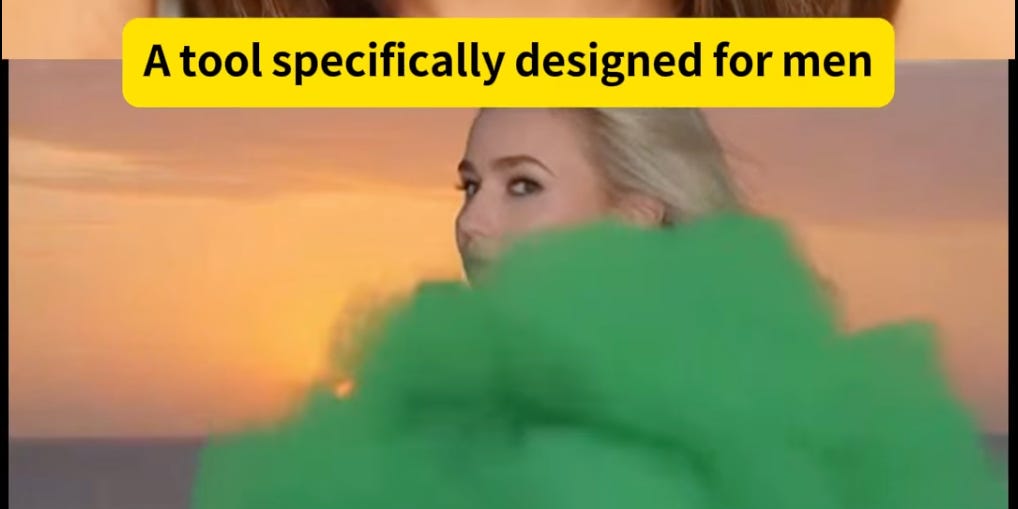
Elsewhere, an ad for POPGO showed videos of women and ran text promoting that its app was “specifically designed for men” and let users “transform photos into kissable videos with ease.”
“In many cases, the ads were clearly sexual,” April Kozen, vice president of marketing at Copyleaks, told Business Insider. “That they were approved points to both moderation and policy failures.”
Copyleaks said the level of explicitness varied “depending on the app or service.”
The developers behind these apps and websites didn’t respond to requests for comment. The Soulove website, which redirects to a service called Candy AI, and Movely, have terms stating their services do not allow the use of nonconsensual images.
Generative AI is fueling an explosion in sexualized deepfake tools
Copyleaks said the findings point to a rapidly growing ecosystem of AI deepfake tools where sexualized content is promoted as a primary use case in order to drive downloads and website clicks.
While editing tools have long enabled people to “nudify” images or videos, the rise of generative AI has made it easier for people without much technical knowledge to easily create such content.
The topic of nonconsensual AI-generated sexual content became a flash point earlier this year when people on X used the “spicy mode” on the platform’s Grok AI chatbot to undress people in images. X said in January that Grok would no longer be allowed to create AI photos of real people in sexualized or revealing clothing.
Other tech platforms have also faced issues related to nonconsensual deepfake images and videos.
Meta said last year it was “building new technology to detect ads for nudify apps and sharing signals about these apps with other tech companies so they can take action too.” In March, the UK’s ad regulator banned a YouTube ad for an AI photo editing app that said it could “erase anything.”
Last month, the White House published a national policy framework for AI. It proposed that Congress establish a federal framework to protect individuals from the unauthorized distribution of AI-generated content, such as likenesses or voice replicas.
TikTok’s policies prohibit sexually explicit and suggestive ads
Copyleaks’ Kozen said AI apps like those found in the company’s investigation were using “gray areas” to circumvent TikTok’s stated policies.
TikTok’s advertising policies prohibit sexually explicit or suggestive ads, and the app requires realistic AI-generated content to be clearly labeled. TikTok also doesn’t allow services that “create content for sexual pleasure or sexual intention purposes, such as AI Nudify Apps.” In 2023, it blocked users from searching for the keyword “undress,” Time reported.
TikTok said in its most recently published Community Guidelines Enforcement Report that it removed more than 9.5 million ads for violating its policies in the July to September quarter of 2025.
Kozen said that as the ecosystem of AI deepfake apps continues to expand, platforms like TikTok need to ensure their policies and moderation teams recognize the risks to the people whose images are used without their consent.
“It’s affecting a lot of innocent people,” Kozen said.
Read the full article here