



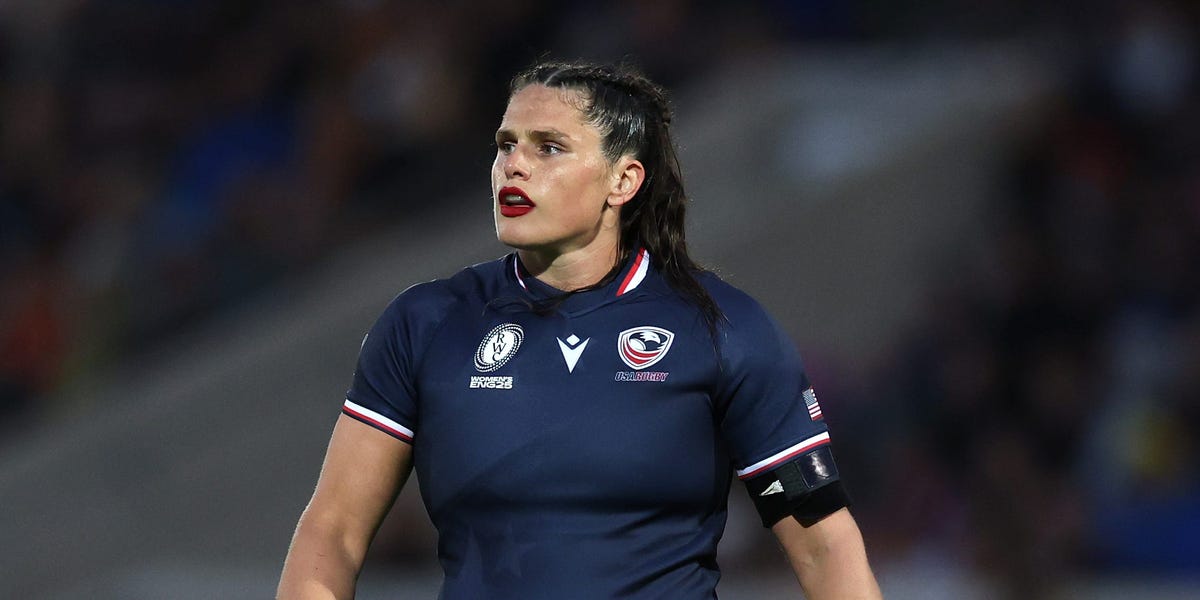
Fueling your body can feel like a full-time job. Ilona Maher would know — she’s done it at the highest level.
A two-time Olympian, part of the team that won the first-ever US medal in women’s rugby, she said being a pro athlete is “like a fairytale.”
“You get to just be working out in the sun with your friends all day long. That’s your job,” Maher told Business Insider in an interview tied to her partnership with protein bar company Perfect Snacks.
That is, if you have a team of coaches and specialists on call to help with the details. For the rest of us, eating a healthy diet and exercising enough can be a challenge to fit into our schedules.
Now that Maher isn’t playing rugby full-time, the former “Dancing with the Stars” contestant has had to relearn how to balance staying healthy with a busy schedule.
“As somebody who knows it too well, I’m even learning how to take care of myself in the offseason,” she said. “It’s really tough.”
She said she stays on a track with a simple eating plan that even non-Olympians can use to get the right nutrients with less stress.
How to get enough protein without tracking
Maher said she doesn’t log her meals or fixate on hitting a certain number of calories or grams of protein.
Instead, she focuses on building a balanced plate for each meal with three essentials: a protein source, a vegetable, and carbohydrates for energy.
“I’ve never tracked. I’m very much like, ‘I need a protein with this meal. I need a carb, and I should have a veggie with it.’ And that’s something we all should try to do,” she said.
For healthy snacks, she aims to get a mix of protein and fiber.
Maher said she’s seen teammates and fellow athletes struggle with overly restrictive dieting, and said it’s crucial to keep the joy of eating.
“I come from a family where food is comfort. It’s fuel, and I’m not going to sacrifice the comfort of it because I think it would then sacrifice my mental health,” Maher said. “I’ve seen what it’s like when you really limit yourself.”
Women in sports can be especially prone to under-fueling, research suggests, and it can lead to health issues like exhaustion, hormone disruption, increased risk of bone fractures, and other injuries.
What it takes to have a rugby body
Social media influencers can make it tempting to compare yourself to impossible beauty standards, particularly for women, according to Maher. And top athletes aren’t immune to the pressure.
“It’s a battle even I’m dealing with as well. I see these videos, and I’m like, oh man, should I be trying to look like that?” she said.
One thing she’s learned from rugby is that every body type has its own distinct strengths.
“We’re training for not just aesthetics, we’re training for function,” she said. “We’re not all meant to be the same. If you’re doing what you can out on the field and you’re being great at it, why do you have to be smaller?”
Focusing on what your body can do rather than how it looks can help build a healthier relationship with food and exercise.
“Life is meant to be lived, food is meant to be enjoyed. We’re supposed to have a little bit of fat on us,” Maher said.
Read the full article here