




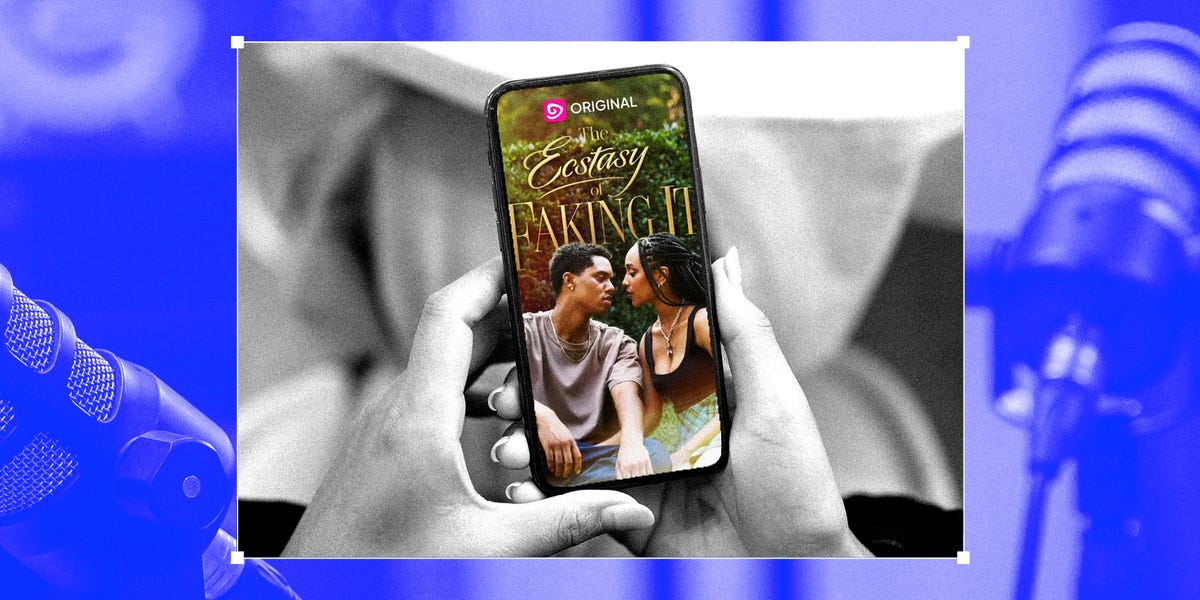
What if you could watch short videos on your phone? What if you could pay people to watch those videos?
I know, I know: I’m describing Quibi, the infamous app that flopped in 2020.
But: I’m also describing micro dramas — low-budget movies cut into one-minute chunks. And those do seem to be working: Consumers may be spending as much as $14 billion on them this year.
Most of that spending is happening in China, where the genre took off. But micro dramas are breaking through in the US, too: Mainstream video platforms like Peacock are adding them to the mix, and US-based companies like CandyJar say they’re seeing very fast growth as well.
It may be that micro dramas have limited appeal, and won’t grow beyond their current audience — primarily women looking for quick diversions, via Harlequin-style romances. But even if micro dramas end there, they would still represent a real change in the way at least some Americans get, and pay for, entertainment.
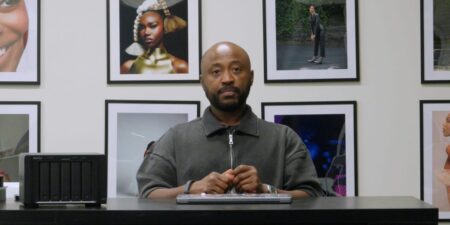
Ali Albazaz thinks they will become much bigger: He’s the CEO of Inkitt, a startup that began as a platform for amateur writers, which is now morphing into a micro drama player. It’s the company that owns CandyJar, and which has also launched Ironblood, a micro drama vendor aimed at dudes who are happy to watch AI-generated action/adventure tales.
I think also think it’s possible that micro dramas get truly big in the US. But it’s also possible to imagine that when that happens, the industry will be dominated by TikTok and Meta’s Reels.
Those platforms are already the main way apps like CandyJar find their customers. So why not just keep the whole thing for themselves?
And indeed, TikTok is trying out multiple ways to tackle micro dramas, including a free, ad-supported app, as well as a paid version.
“The competition is ruthless,” Albazaz acknowledges. “There is risk and threat from every side.”
Albazaz walked me through micro drama economics and audience in the most recent episode of my Channels podcast, which also included an industry overview from Hernan Lopez, who runs the Owl & Co. entertainment consultancy. You can hear both conversations in their entirety here. The following is an edited excerpt of my talk with Albazaz.
Peter Kafka: There’s no shortage of short-form entertainment out there. Reels and TikTok give it to me for free, and they tune it to what I want.
What are micro dramas providing that isn’t already there, and why do people pay to watch them?
Ali Albazaz: The user-generated content that you get on TikTok and so on don’t do serialized content. So you don’t have full dramas being told.
Micro dramas really taught us that you can chop the movie into 90-second-long episodes and then sell individual episodes or a subscription.
What’s your budget for these shows?
It costs about $200,000 to do a physical production in Los Angeles at this point. You can go from $150,000 to $300,000. We tend to be at the higher end.
Does the production value matter to consumers? A lot of the stuff I see seems to be … the polite word, I guess, is “inexpensive.” It seems like people are quite comfortable with that. What is the urge to up the ante on your end?
You’re correct to say that the majority of micro dramas look [like] very low-quality. But we really have very high expectations from our team, and we really want to stand out that way.
CandyJar, and most micro dramas, are aimed towards women. You also recently launched Ironblood — action/adventure aimed at men. With those shows, you really lean into the idea that you’re making them with AI. Why is that important to disclose, and are you worried about AI pushback?
AI is allowing us to create movies that would normally be predominantly-CGI based, very, very cheaply.
You can’t afford Marvel-level CGI, but you can do an AI version of it.
That’s right. We had so many great stories that are superhero and action-based, and previously it would cost us $200 million to go out and produce them.
But some people who are using AI try to hide it, and if it comes out that they’re using it, it’s a scandal. You guys clearly don’t think that’s a problem.
We don’t want to lie, right? We want to be open and honest with our users.
Do these adventure stories that you’re telling on Ironblood have the same budget as the romances you’re showing on CandyJar?
No. They end up being significantly cheaper. We’re talking $10,000 to $50,000.
What’s the future of your business? Figuring out other micro drama formats? Or trying to branch out into things like traditional TV shows and movies?
We’re building the operating system for storytellers, whether they want to create a bestselling book, audiobook, or movie.
We want to have movies that you can watch in the cinema. We want to create theme parks at some point. The idea is to really help storytellers tell their stories in all possible formats.
Read the full article here