









Chevron CEO Mike Wirth warned that strain on the aviation industry could intensify in the coming weeks as jet fuel supplies tighten, driven by disruptions tied to the Iran war.
Appearing Sunday on CBS News’ “Face the Nation,” Wirth said jet fuel in key regions was already at seasonally low levels before the conflict began, leaving markets vulnerable to supply shocks.
“It’s not flowing today. So, we are seeing jet fuel tighten very quickly in Europe, in Asia, and we’re seeing airlines announce adjustments in their flight schedules,” Wirth said. “I think aviation is clearly an area where it’s going to probably get worse over the next few weeks.”
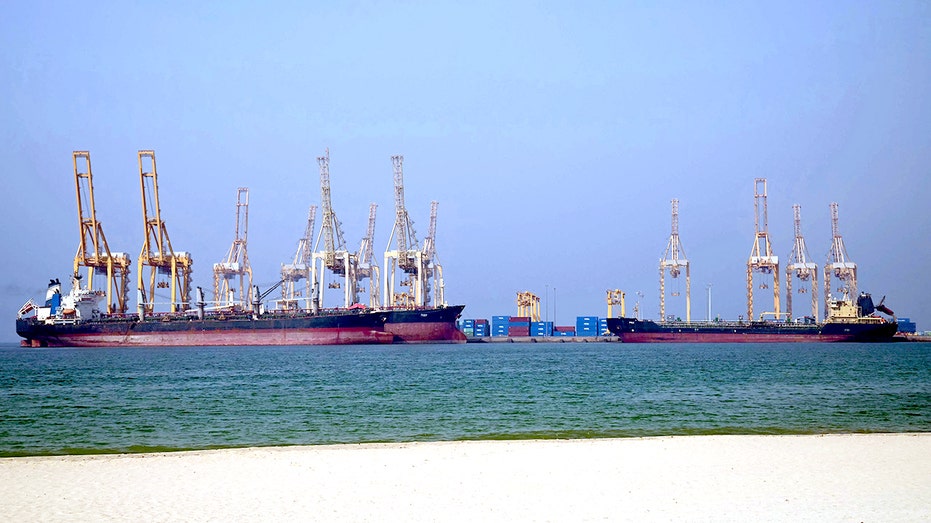
Jet fuel prices have surged sharply since late February, reflecting constrained shipping through the Strait of Hormuz – a critical oil transit choke point through which roughly one-fifth of global supply typically passes.
DEM LAWMAKER SAYS AMERICANS ‘GETTING FLEECED AT THE PUMP,’ PUSHES OIL EXPORT BAN AMID IRAN TENSIONS
U.S. jet fuel prices have climbed from about $2.50 per gallon before the conflict to $4.19 per gallon as of April 24, according to Airlines for America. Globally, prices remain volatile, with the International Air Transport Association reporting a 6.7% week-over-week decline to $184.63 per barrel, even as broader supply pressures persist.
MAJOR AIRLINE AXES 20,000 ‘UNPROFITABLE’ FLIGHTS AS JET FUEL COSTS SOAR
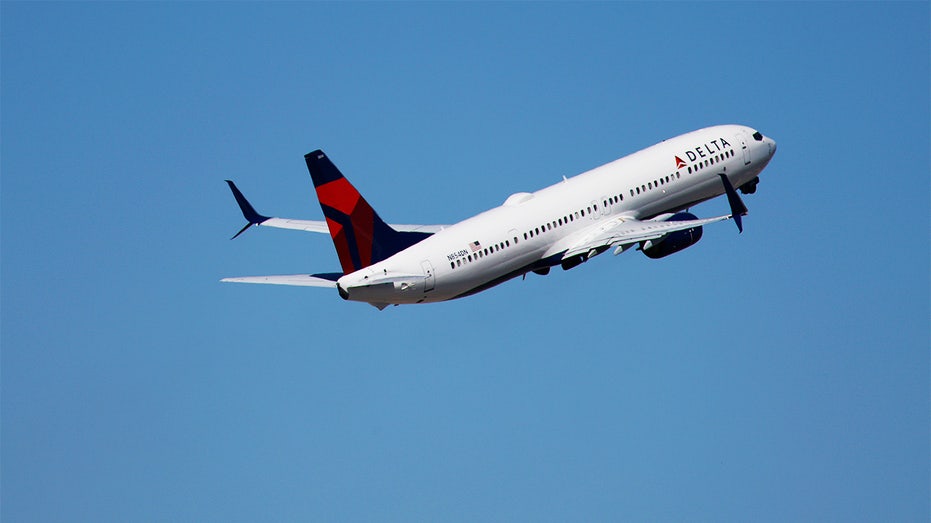
Airlines are already adjusting operations in response to higher fuel costs. United Airlines said it plans to cut about 5% of its planned capacity this year, while Delta Air Lines has trimmed growth plans by roughly 3.5 percentage points.

Fuel typically accounts for about a quarter of airline operating costs, leaving carriers highly exposed to price swings. In response, airlines are reducing lower-margin routes and leaning on higher fares and fees to offset rising expenses.
Consumers are beginning to feel the impact. Bureau of Labor Statistics data shows airfares rose month over month in March, a trend that could accelerate as carriers pass along higher fuel costs and limit capacity heading into the peak summer travel season.
UNITED AIRLINES RAISING TICKET PRICES UP TO 20% AS FUEL COSTS SURGE AMID IRAN WAR
Wirth said the core issue remains disrupted energy flows through the Strait of Hormuz. Reduced shipments from Middle Eastern refiners, which supply a significant share of global jet fuel, have tightened availability across Europe and Asia.
He added that the global energy system has lost much of its flexibility, with inventories that typically act as “shock absorbers” now depleted after weeks of disruption.
“The risks kind of skew to the upside right now,” Wirth said, noting that even if flows resume, it could take time for supply chains and inventories to normalize.
CLICK HERE TO GET FOX BUSINESS ON THE GO
In the meantime, airlines and travelers are likely to continue feeling the effects, as higher fuel costs ripple through flight schedules, pricing and availability.
Reuters contributed to this report.
Read the full article here


