





Paramount Skydance’s plan to buy Warner Bros. Discovery is running into resistance.
State attorneys general from California, New York, New Jersey, and nine other states have sued David Ellison’s media company, alleging its $110 billion WBD deal is anticompetitive and harmful to consumers.
“The unlawful merger of these two entertainment behemoths would lead to higher prices, lower quality, and less content for film and television, harming movie theaters, basic cable distributors, and ultimately, audiences on every sofa and movie theater seat in the US,” California Attorney General Rob Bonta said in a statement.
Bonta continued: “Consolidation here not only leads to higher prices — it also leads to fewer opportunities for important stories to come to life, and fewer ways for audiences to encounter stories, ideas, and perspectives beyond their own experiences.”
The lawsuit focuses on theatrical film distribution, claiming that the combination would account for about 27% of that market. Together, Bonta said Paramount-WBD, Disney, Universal, and Sony would control about 86% of the theatrical distribution market, including the lion’s share of top-grossing blockbuster films.
Outside movies, the lawsuit highlights the Paramount-WBD tie-up’s potential influence over the market for cable channels.
This lawsuit was widely expected. Bonta said before the deal was official that his office would give any proposal to buy WBD “a very close look.”
Paramount responded in a statement that the lawsuit “reflects a fundamentally flawed application of the antitrust laws and is wrong on both the facts and the law.” Ellison’s company pledged to “vigorously defend the transaction.”
“Delaying this transaction will only harm entertainment workers who have already suffered over recent years as technology has disrupted their livelihood and cost California tens of thousands of entertainment jobs,” Paramount said.
Ross Benes, a senior analyst at Business Insider sister company EMARKETER, said that the states’ lawsuit was unlikely to stop the deal.
“With regulatory agencies gutted, state AGs are provided an easy political win by going after Paramount,” Benes said. “Their success in stopping the merger appears unlikely because they do not have federal jurisdiction and the Trump administration effectively controls all branches of government.”
Media analyst Ric Prentiss of Raymond James said that the Paramount-WBD deal “does not explicitly require UK or state approvals” to close.
“It is possible the merger could have all necessary approvals by July 22, and the companies could close the merger on that date,” Prentiss said in a recent note. However, he added that a lawsuit could delay the deal’s close.
Paramount wants to buy WBD ASAP
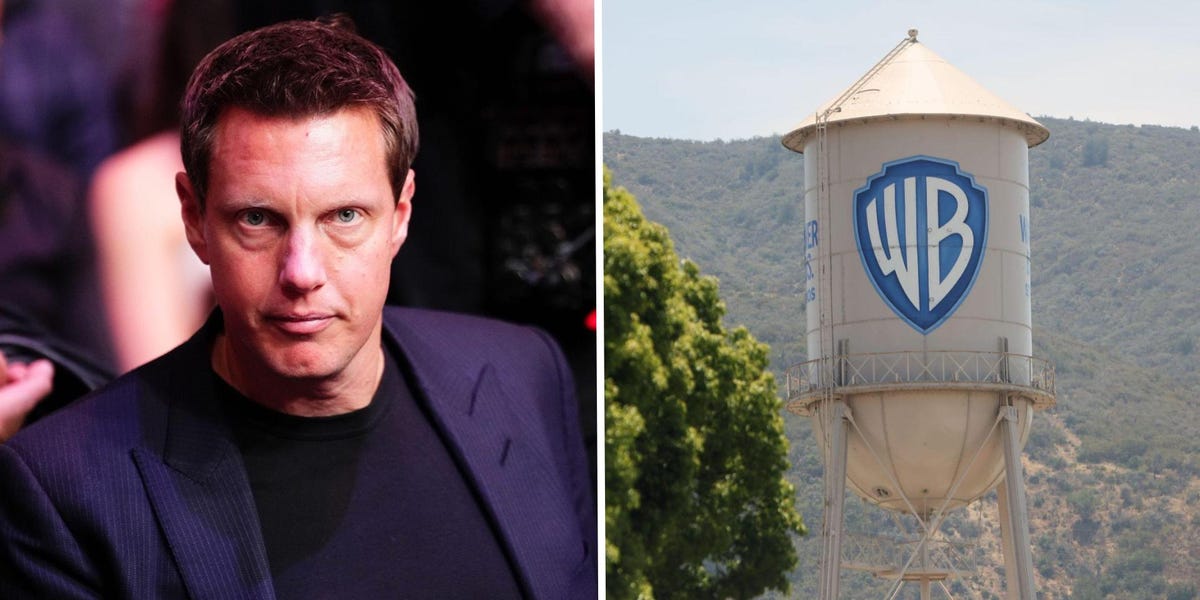
Buying WBD would make Paramount a Hollywood superpower by giving it control of the Warner Bros. studio, HBO, HBO Max, and TV networks like CNN. Ellison already has Paramount Pictures, the Paramount+ and Pluto TV streamers, the CBS broadcast network, and cable channels like MTV.
Paramount has been hoping to fast-track its WBD acquisition, as the company has agreed to pay WBD shareholders about $7 million each day that the deal doesn’t close, starting after September 30.
Donald Trump’s Department of Justice approved Paramount’s WBD deal in mid-June, stating that the transaction was “not likely to result in harm to competition or American consumers” in streaming, pay TV, or movie production and distribution.
European regulators are reviewing Paramount’s plan to acquire WBD and have already secured concessions, including Paramount exiting the United International Pictures joint venture with Comcast’s Universal Pictures. The European Commission now has until July 22 to review the updated proposal.
Top Hollywood stars, including Ben Stiller and Mark Ruffalo, have spoken out against the deal, saying in a joint statement that it would “further consolidate an already concentrated media landscape” and result in “fewer opportunities for creators, fewer jobs across the production ecosystem, higher costs, and less choice for audiences in the United States and around the world.”
Read the full article here