




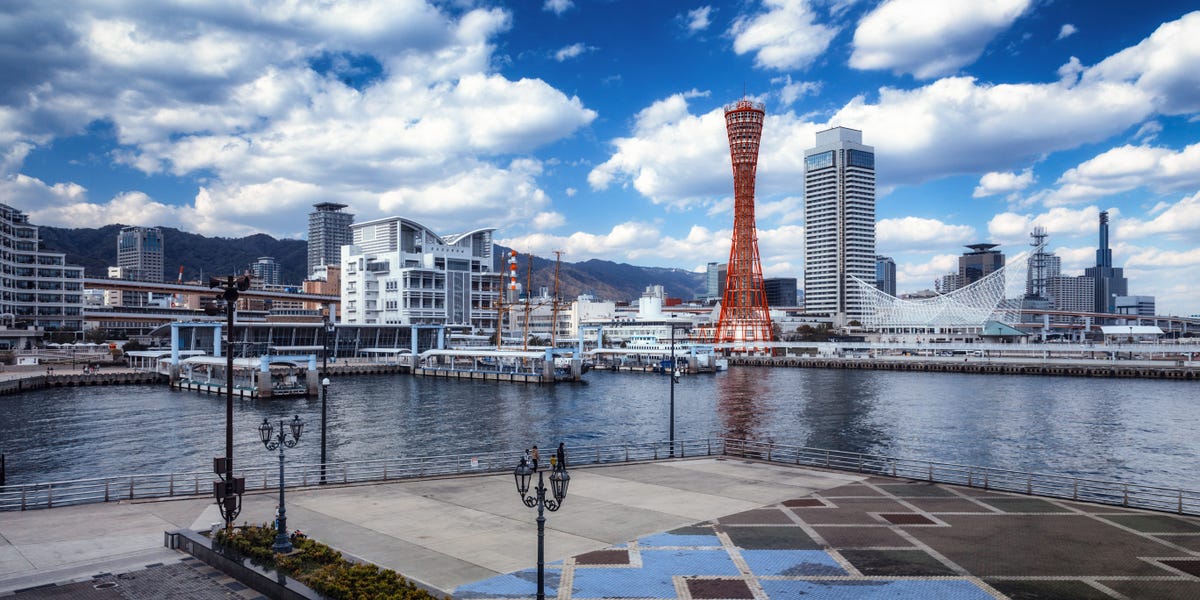
Three years ago, my family of three left New Zealand for Kobe, Japan, desperate for a total reset. We were running on empty, exhausted by skyrocketing living costs, limited career growth, and relentless financial stress.
We already loved Japan as tourists, but moving here permanently felt like a massive gamble. Instead, trading hemispheres didn’t just change our coordinates; it completely rewrote our quality of life.
Same-day medical care is possible
Back in New Zealand, my husband once waited months for an MRI after a severe work injury, while I spent years and thousands of dollars chasing answers to chronic health concerns through a clogged public system.
When his back pain returned, I braced for the same exhausting delays in Japan. Instead, I laughed out loud when the clinic doctor asked if he’d prefer his MRI in three hours or later in the day, after he’d had some lunch. The total cost was just ¥6000 (around $38 USD).
While New Zealand’s healthcare is technically free, accessibility was often the real issue. I now feel an enormous sense of relief knowing affordable and timely care is available when we need it. My 10-year-old daughter’s monthly pediatric specialist appointments cost just ¥280 — less than $2 USD.
Ditching our car improved our lives
We don’t own a car, so movement is embedded in our daily life. Between train stations, school runs, and grocery trips, I easily clear 10,000 steps a day.
In my first four months here, I lost 10 kilograms (about 22 pounds), though I quickly found them again thanks to Japan’s incredibly delicious bakeries.
Increased walking has also changed how I connect with my environment. In a car, seasonal changes passed me by. Now, I slow down to notice spring buds, cherry blossoms hanging over train tracks, or autumn maples turning a deep crimson. I even took extra winter walks just to feel snowflakes settle on my cheeks as the hills behind my home turned white.
We can travel frequently
In New Zealand, international trips were a rare and expensive treat. In Japan, cheap flights across Asia and an extensive rail network make travel effortless and affordable.
Last summer alone, we visited Vietnam, Taiwan, Singapore, Bali, and the Setouchi Islands. Our multi-stop summer itinerary — flying from Osaka to Singapore and Bali before heading back to Japan — cost just 212,587 Yen ($1,332 USD) for all three of us on budget carriers.
Traveling to Beppu this May made me realize just how lucky we are. As I rode the Yufuin no Mori scenic train past mountains covered in vivid green cedar and purple wisteria, I looked out the window and actually cried out of pure gratitude for this new life.
Having affordable international flights at our doorstep and a domestic transit system that makes spontaneous weekend trips easy has turned travel from an occasional luxury into a normal part of our lives.
Our housing and grocery bills plummeted by more than half
In New Zealand, we paid NZ $1,680, or about $985 USD, a month for a small two-bedroom unit outside Christchurch’s city center. In Kobe, we now pay around $450 a month for a much larger three-bedroom apartment.
The first time I did a week’s worth of grocery shopping in Japan, I walked into the supermarket with ¥50,000 (about $315 USD) in my wallet, expecting to spend most of it. When the total came to just ¥15,000 ($95 USD), I genuinely thought there had been a mistake at the register.
While rising prices and the weak yen have made everyday life more expensive for many families in Japan, it still feels far more financially manageable for us than life in New Zealand did, especially when it comes to housing, groceries, internet, and eating out.
Living in Japan has reshaped my perspective and improved my mental health
Starting over in Japan wasn’t a magical fix; navigating a new language and culture was lonely at times. Yet immersing myself in a completely different way of living reshaped my perspective, teaching me to appreciate more and fight the current less.
They say money can’t buy happiness, but the financial stability and lifestyle shift here reduced my stress so drastically that eight months ago, I finally came off antidepressants after relying on them since I was 17.
Japan didn’t cure me, but it created the conditions for recovery, which reignited my curiosity for learning about the world.
Read the full article here