






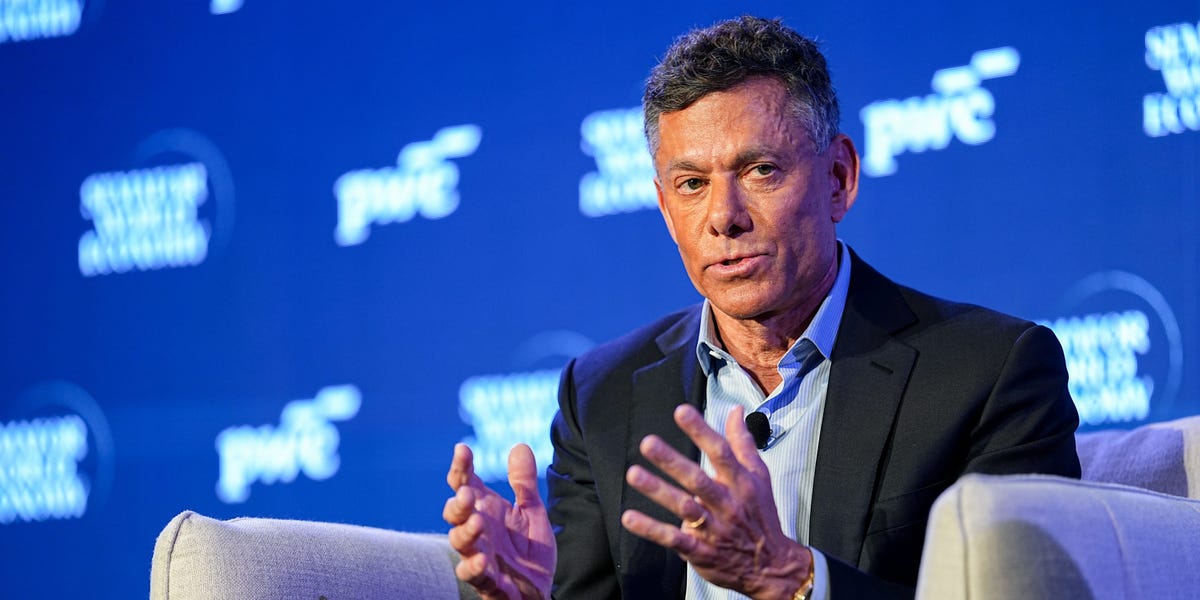
Take-Two Interactive CEO Strauss Zelnick said he’s embracing AI to help make video games more efficiently. He just doesn’t think the technology can create the next “Grand Theft Auto” from scratch.
On David Senra’s podcast, posted on Sunday, Zelnick said he was “all in” on AI — but he pushed back on the idea that it can create the originality and surprise needed to create a blockbuster hit.
“Remember what AI is, despite the fact that there are people in Silicon Valley who don’t want you to believe this,” he said. “It’s big data sets, lots of compute, and a large language model mushed together. That’s what they are. So, data sets by their very nature are backward-looking.”
Take-Two’s Rockstar Games label makes the hugely popular “Grand Theft Auto” series. The open-world crime game’s fifth installment — which features robberies, police chases, satire, violence, and, yes, auto theft — was a massive success, selling more than 200 million global copies since its 2013 debut. The twice-delayed “Grand Theft Auto VI” is among the most anticipated games in entertainment.
Zelnick said AI could create another GTA lookalike, but “clones don’t sell,” he told Senra.
“AI so far is really great at asset creation, but hit creation isn’t asset creation,” Zelnick said.
His comments cut against a common investor fear: that AI tools could lower the barrier to game creation and threaten established publishers like Take-Two.
“Anyone can make a video game last week,” he said. “Anyone could make a video game five years ago. The technology is readily available. It’s commoditized.”
It’s not the first time Zelnick has tried to separate AI productivity gains from creating culture-shaping products.
Zelnick explained his AI stance in a recent interview with Business Insider’s Sarah Needleman. He said Take-Two employees are encouraged to use tools such as Anthropic’s Claude and Google’s Gemini.
But he also said those gains do not necessarily mean blockbuster games will become cheaper or faster to make, because easier tools tend to raise creative ambitions.
“Everyone understands this creates more work, not less work,” he said. “When you make certain things easier, your appetite gets greater.”
The company declined to comment beyond Zelnick’s remarks on the podcast.
Read the full article here