





Minnesota has become the first state to ban prediction markets, but the fight over these platforms’ right to operate is far from over.
On Tuesday, Minnesota Gov. Tim Walz signed and approved a state ban on prediction markets. Per the bill, any person who creates, operates, or advertises a prediction market that involves wagers on events such as sports, elections, and government actions will be guilty of a felony.
The ban is set to go into effect on August 1.
Hours after the bill was passed, the US Commodity Futures Trading Commission, or CFTC, filed a lawsuit against Minnesota and Walz to block the ban.
The agency said it regulates trades in prediction markets, such as Kalshi and Polymarket, and Minnesota cannot criminalize them under state law. It added in a Tuesday press release that Walz’s legislation will “undermine the federal regulatory regime set up by Congress more than 50 years ago.”
“This Minnesota law turns lawful operators and participants in prediction markets into felons overnight,” said Michael Selig, the CFTC’s chairman.
He added that Minnesota farmers have relied on hedges against weather and crop events for decades to mitigate their risks.
“Governor Walz chose to put special interests first and American farmers and innovators last,” Selig said.
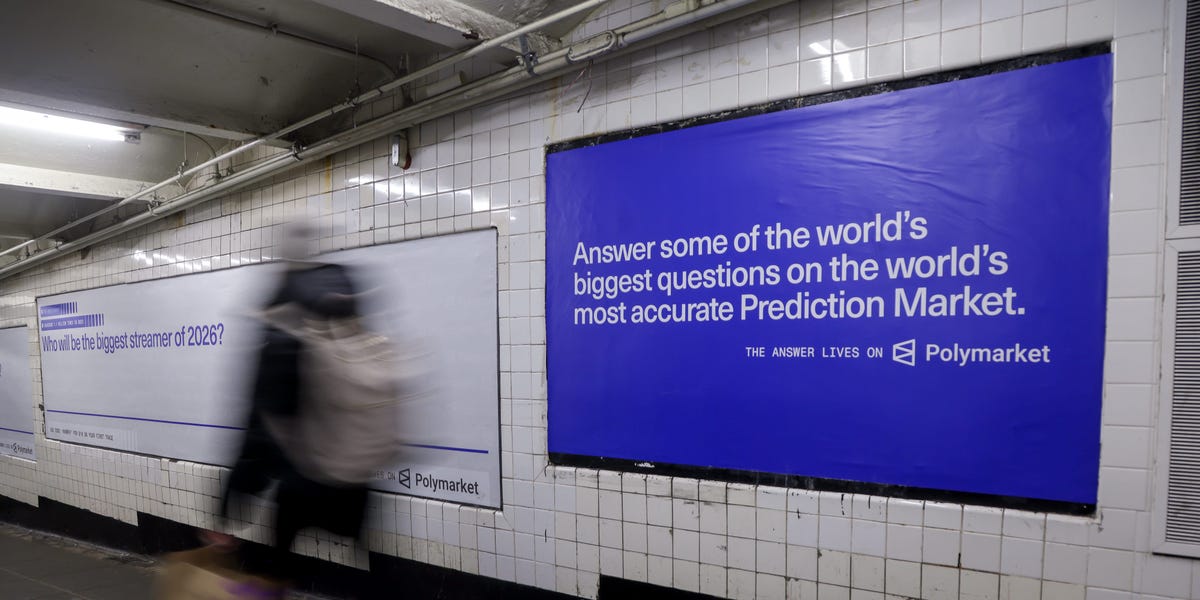
Prediction markets allow users to place “yes” or “no” wagers on events, and hinge upon speculation in sports, politics, pop culture, and other fields. They have seen strong criticism from several lawmakers in recent months, who warn that the markets enable insider trading.
In response, Kalshi said in March that it would preemptively block politicians and sportspeople from placing bets on its markets. Polymarket has also put in guardrails prohibiting trades on illegal tips and confidential information and ensuring that traders cannot influence the outcome of the event.
If allowed to go through, Minnesota’s outright ban will be the toughest prediction-market legislation in the country. Several lawmakers have introduced bills, such as California Sen. Adam Schiff and Utah Sen. John Curtis’ “Prediction Markets Are Gambling Act,” but none have been passed yet.
Representatives for Walz and the CFTC did not respond to requests for comment from Business Insider.
Read the full article here