





Hours before a scheduled meeting on a Nottingham, New Hampshire, data center proposal — which had to be moved to a larger venue because of growing backlash — the developer abruptly withdrew the plans.
“There was a lot of opposition, so I’m not surprised,” a coordinator for Nottingham’s Planning Department, Tracey Stickney, told Business Insider on Tuesday, adding that it was “nice” to see people come together and care about their local community.
She said she still expected residents of the town, with a population of about 5,300, would show up to the meeting to voice their concerns.
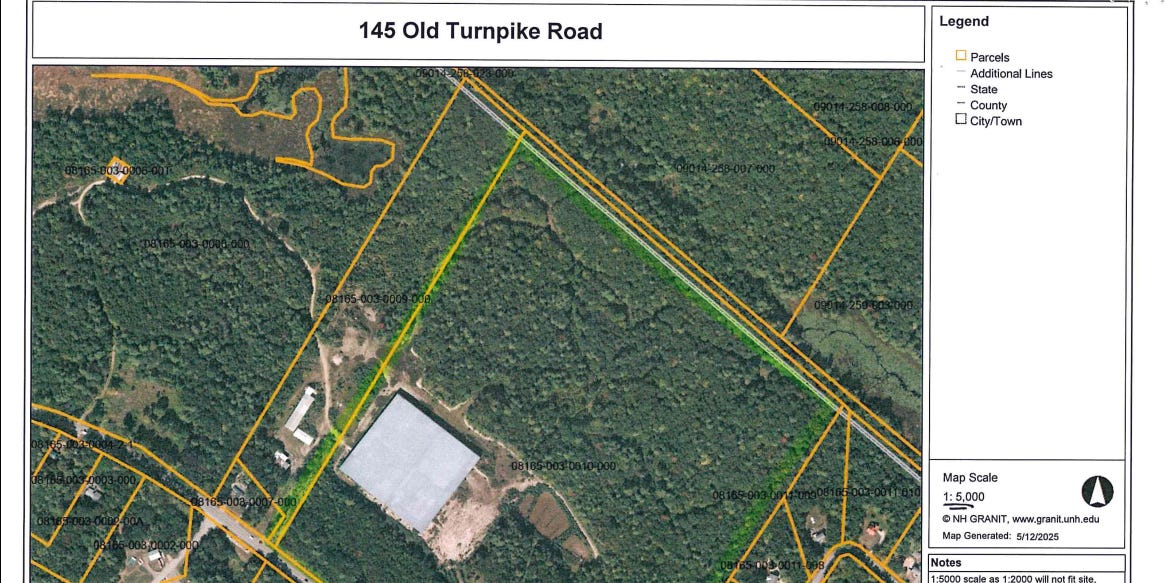
The proposed project, backed by local developer Thomas Moulton through Nottingham Business Park LLC, had sparked mounting backlash from residents worried about environmental impacts, noise, and the transformation of their rural town.
A Change.org petition opposing the project drew more than 25,000 signatures and support from residents who feared the development would fundamentally alter Nottingham’s character.
The fight in Nottingham is part of a growing wave of resistance to data center development across the US, as communities from Virginia to Georgia to Texas push back on projects they say strain water supplies, consume enormous amounts of electricity, generate constant noise, and transform rural landscapes into industrial corridors.
As Big Tech companies race to build the infrastructure needed to power AI and cloud computing, residents and local officials have increasingly demanded tighter regulations and environmental scrutiny — particularly in smaller towns unaccustomed to hosting massive digital infrastructure projects.
Ben Weit, a Nottingham-area resident who started the petition, said locals felt blindsided by the proposal and alarmed by the possibility of large-scale industrial infrastructure being built in a rural community known more for forests and lakes than server farms.
“I grew up hunting and fishing in these woods. I grew up on the lakes and the rivers. I value the beauty of New Hampshire, and I would like to keep it, especially in a small town like Nottingham, where it’s not very industrial at all,” Weit told Business Insider.
The uproar, he said, reflected broader anxiety about rapid data center expansion reaching small towns that lack the resources — and, in some cases, the water supply — to absorb projects of that scale.
“New Hampshire, and specifically this region near the seacoast, has already been in a severe drought for years,” Weit said. “It completely baffled me that of all places I’ve been reading about these, seeing them pop up, that Nottingham was the next one.”
In a statement, Moulton said the company was withdrawing its conceptual consultation request “without prejudice” to allow time for “additional research” and to determine “whether this is an appropriate use for the site.”
Moulton said in an interview that the project became consumed by “misconception and misinformation,” including online claims that the company planned to build a “40-acre building.” The proposed building, he said, would have been about 4 acres.
“I think the biggest thing is the environmental concerns,” Moulton said, adding that residents raised fears about noise and water pollution. “If we assemble truthful and accurate information, and present it fairly and transparently, then let everybody make their mind up — if they don’t want it, they don’t want it.”
Moulton argued the project could have brought a major tax windfall to Nottingham, which has a limited commercial tax base.
“It’s kind of like hitting a lottery ticket when it comes to tax revenue,” he said.
By Tuesday afternoon, he had decided it was better to temporarily retreat than fight the backlash, which he said included threats against his life.
Moulton emphasized that he lives in the community and would personally have to answer to neighbors affected by the project.
“I’m not some guy from New York trying to do a housing development and do it irresponsibly,” he said. “I live in the community, I want to do the right thing.”
The growth of data centers
For residents like Weit, those assurances weren’t enough. Weit said locals worried that once a project of that scale entered the town, Nottingham could lose control over future development.
Moulton said his goal was to think proactively about Nottingham’s future while balancing residents’ concerns.
“Someone’s going to do this regardless,” Moulton said of the growing demand for data infrastructure. “I’m just trying to plan and look at maybe this might be something for the future for the state and the community.”
Read the full article here