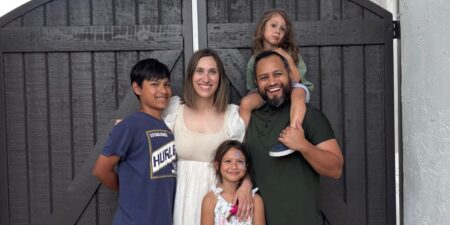







When my son moved to New York City five years ago, many people reacted with concern.
“Aren’t you worried?” People asked. “I don’t think I could handle that.”
Now my daughter recently moved to Chicago, and I’m hearing it all over again.
Here’s the truth — I’m not calm because nothing can happen. I’m calm because I spent years preparing them for real life instead of shielding them from it.
Independence didn’t start when they moved out
My kids didn’t suddenly become independent adults the day they left home. That foundation was laid much earlier, often in ways that made other parents uncomfortable.
When they were teenagers, I didn’t hover at the airport. They carried their own travel documents. They went through TSA on their own. They learned how to ask questions, advocate for themselves, and solve small problems without me stepping in immediately.
It wasn’t about pushing them too fast. It was about trusting them to learn.
Those moments that were awkward, imperfect, and sometimes uncomfortable were also intentional. Because adulthood doesn’t come with training wheels.
Travel taught them awareness, not fear
My son played travel hockey for eleven years, which meant constant airports, hotels, rinks, and unfamiliar cities. Travel wasn’t a special event in our family; it was our normal.
My daughter and I also started traveling to New York City together when she was only eight years old. Every year, the same routines: busy sidewalks, crowded subways, hailing cabs, navigating noise and movement, and city chaos.
We talked about situational awareness, not in a fear-based way, but in a practical one. Look up. Pay attention. Trust your gut. Know where you are. Ask for help when something feels off.
Cities didn’t become something to be scared of. They became something to understand.
Confidence comes from repetition, not lectures
We didn’t sit them down for long talks about “street smarts.” We let them practice it.
They learned how to read a room. How to move with purpose. How to notice when something feels wrong, and how to remove themselves without drama.
Confidence doesn’t come from being told what to do. It comes from doing it over and over until your body knows what to do before your brain panics. That’s what I see now when I visit them. They don’t move through their cities timidly. They move through them confidently.
Letting go is easier when you trust the foundation
Of course, I still worry. I’m a mom. That doesn’t disappear when your kids become adults.
But my worry isn’t rooted in helplessness. It’s balanced by trust, trust in the skills they’ve built, the judgment they’ve practiced, and the independence they’ve earned.
When my phone buzzes with a “Made it home” text after a trip, it feels less like relief and more like confirmation: this is working.
They don’t need me hovering. They need me to believe in them.
Hovering feels loving, but capability lasts longer
There’s a cultural push right now toward constant monitoring with tracking apps, check-ins, and helicoptering disguised as protection. I understand the initial instinct to track. The world feels scary and unpredictable.
But teaching kids to manage the world doesn’t mean abandoning them to it. It means equipping them to navigate it.
I didn’t raise my kids to avoid risk entirely. I raised them to recognize it, assess it, and react to it with confidence. Now they’re doing exactly that, on their own terms, in cities they chose.
Calm isn’t the absence of concern; it’s earned trust
People assume calm means complacency. It doesn’t.
My calm comes from years of watching my kids learn to handle themselves, problem-solve, adapt, and stay aware without becoming anxious.
I don’t feel calm because I believe nothing will happen. I feel calm because I believe they’ll know what to do if something does.
And that, to me, is the real goal of parenting. It’s not raising kids who need you forever, but raising adults who know how to stand confidently without you right beside them.
Read the full article here