




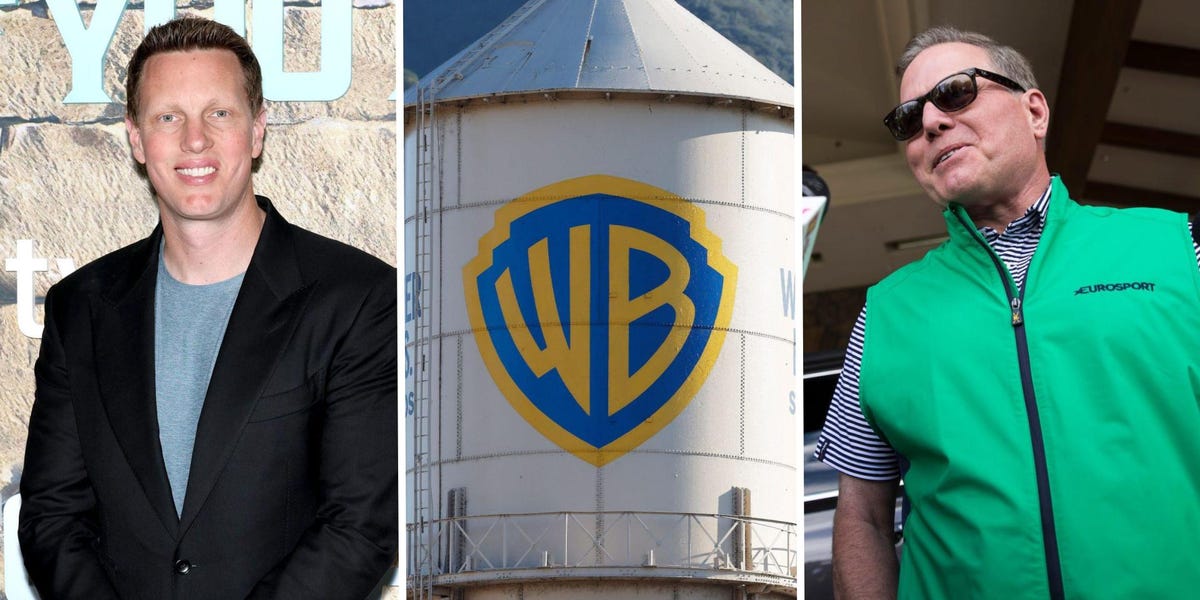
Employees at Paramount Skydance are wrestling with whether the planned mega-merger with Warner Bros. Discovery would put them on the chopping block or help save their jobs.
“I’m definitely worried about impending layoffs post-merger,” a Paramount research staffer said. “But I’m worried about the company as a whole if it doesn’t go through.”
Paramount’s $110 billion deal with WBD is on pause after a judge issued a temporary order in response to a lawsuit from 12 states. In the coming weeks, David Ellison’s company could get the green light to team up with WBD — or have to dig in for a longer fight.
Twelve Paramount employees Business Insider spoke with after the WBD deal got delayed were split about how the transaction would impact their jobs and the industry.
Some Paramount staffers fear their positions could be expendable if their teams merge with comparable groups at WBD, while others are concerned about the company’s financial health if its deal is delayed or blocked.
Ellison’s company would owe WBD a $7 billion breakup fee if the deal falls through, and has also agreed to pay WBD shareholders a so-called ticking fee of about $7 million per day starting after September 30 if the merger isn’t done. The potential fallout from those penalties had several staffers pulling for the deal.
“I see Paramount in the same light as Spirit Airlines,” one streaming staffer said. “Regulators didn’t let JetBlue and Spirit Airlines merge. Now Spirit is bankrupt, and JetBlue is struggling.”
Two WBD employees told Business Insider that they’re uneasy about what the deal may mean for the media industry, but that the acquisition would benefit them financially.
They both said they stood to considerably benefit from stock grants.
“Best case for me personally is the deal goes through, I get laid off, and get my 15 months of severance,” one veteran WBD staffer added. “Then, I just need to find something for a couple years before I retire.”
Spokespeople for Paramount and WBD didn’t respond to requests for comment.
‘Tired of mergers and chaos’
Paramount has said it needs to join forces with WBD to form “a stronger competitor against dominant streaming and technology platforms,” like Netflix and YouTube. Ellison’s company insists its mega-merger will allow it to produce more films and TV shows than it can on its own.
Many in Hollywood are skeptical, however. Top actors and directors have spoken out against the Paramount-WBD deal, saying it would result in “fewer opportunities for creators” and “fewer jobs across the production ecosystem.” The Writers Guild of America has filed a lawsuit against Paramount, arguing that it violates antitrust law.
The Paramount employees who are opposed to the deal primarily expressed concerns about the potential impact a merger of rivals would have on the media industry.
“I’m indifferent to sticking around because I’m so burned out, but I would hate it if others lost a career they were passionate about,” a Paramount streaming staffer said.
Another streaming manager who opposes the deal said they’re “tired of mergers and chaos.” Paramount merged with Skydance last August, six years after Viacom and CBS merged.
“My future in this deal is uncertain, I feel,” said a third streaming staffer who’s against the merger.
‘The best shot at keeping my job long term’
The Paramount staffers who support the deal had a simple rationale: they believe the merger would be best for the company and their careers.
“While I may have personal opinions about the negative effect this could have on the industry, I think the merger gives me the best shot at keeping my job long term,” the Paramount research staffer said. “That’s more important to me at the end of the day.”
A high-level ad employee said this deal would make Paramount more powerful and give the company “more premium supply, which helps the sales story.”
A senior streaming employee said that they support the deal, adding that they “don’t see why it wouldn’t” get approved by regulators.
WBD had planned to sell its studio and streaming business to Netflix before Paramount stepped in, which this high-level streaming staffer said “would have created a much larger consolidation of two streaming powerhouses” while leaving WBD’s traditional TV unit “flailing and nobody interested in it.”
The states suing Paramount argue that this deal would harm competition by giving the combined company undue influence over cable distributors, as well as leverage over theatrical distribution for both wide-release movies and big-budget blockbusters.
A super-charged Paramount-WBD “is ultimately better for the consumer,” the high-level Paramount streaming leader said, contending that it “creates a larger, more competitive catalog of content to compete against Disney and Netflix.” Consolidating TV assets will help Paramount cut costs, they added, though they understood worries about CNN’s future, given how CBS News has changed under Ellison.
Read the full article here