




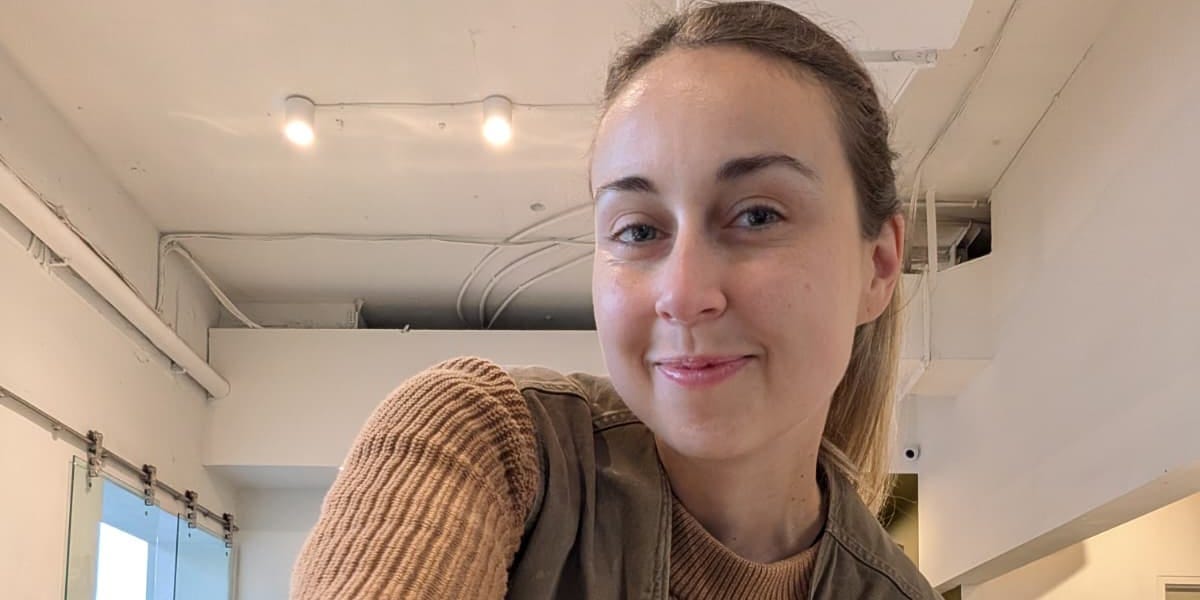
This as-told-to essay is based on a conversation with Lisa Eder. It has been edited for length and clarity.
For 10 years, I worked my way up in luxury hospitality, eventually becoming a director at a high-end hotel group. It had always been my dream position, and I loved my job.
Everything about it was exciting, and no two days were ever the same. There were important VIP arrivals, high-profile events, and constant challenges. I became consumed by it all. The job was a lifestyle, and for a decade, it was the lifestyle I wanted for myself.
I loved working 12-hour days, most days of the week. I loved leading a team of 100 people and six department heads. I loved the responsibility, the pace, and having to be “on” all the time. But I didn’t have much of a life outside work. The job was my life.
When my husband and I moved from Austria to Australia in January 2024 for his job, however, my mindset about work began to change.
I didn’t burn out
Australians are generally more relaxed about work. I saw how much they enjoyed the different aspects of life outside their jobs, and I found myself wanting the same for my own life.
Slowly, I began to wonder whether I had outgrown my career.
I hadn’t burned out. I didn’t hate my job. In fact, I still loved many aspects of it. It just no longer felt like it was for me. I no longer wanted to fit into the corporate box. I wanted something else.
I wanted to have dinner with my husband at night and completely switch off from the day. I wanted the autonomy to decide how I spent my time. I wanted to discover new hobbies and interests that made me feel alive again.
Want more Business Insider in your news feed?
Add BI in Google so our reporting is easier to find when you’re searching for what matters.
For months, I sat with these newly emerging desires, trying to work out what to do with them.
I asked myself what I wanted from life
I had spent years working to get where I was professionally. What would other people think? Was I giving up? Was I throwing away everything I had worked so hard for?
At the same time, I was asking myself bigger questions: What did I actually want from my life? Who was I now? What were my values?
Throughout the entire process, my husband made it very clear that I could choose whatever I wanted. The decision and drive mainly came from me, but he supported it because he understood that I was serious about it
In early January 2026, I quietly decided to resign. In February, I resigned, and I left the company in March. I’d like to say it was easy, but it wasn’t.
I took a waitressing job
I grappled with who I was now that I was no longer a leader in the corporate world. I had spent so long building a professional identity that I wasn’t sure who I was without it. I also had to learn how to live with the uncertainty of not knowing what would come next.
Financially, I had been preparing for the transition by saving money to support myself. My husband was also incredibly supportive. But I wanted to make my own money, so I took a part-time waitressing job at a café in Sydney.
Unexpectedly, that job became about much more than income. It gave me joy.
I loved being around people, food, and coffee. I loved finishing work and coming home without the weight of a corporate job on my shoulders. I had the freedom to decide what I wanted to do with my evenings, whether that was something on my own or spending time with my husband.
I also started playing volleyball, running, and tennis — sports I had loved before my corporate life took over.
Then I started dreaming about becoming a Pilates instructor. I enrolled in a training course, which I’m still completing, with the goal of becoming an instructor.
I found myself again.
I won’t say I have everything planned out. That wouldn’t be honest. But having space in my head has given me the ability to keep asking myself whether my life aligns with my values — and to make changes when it doesn’t.
My journey is my journey, but it won’t be right for everyone.
If you aren’t willing to do the mindset work — to question your identity, understand your values, and rethink what success means to you — to live with uncertainty and wrestle with doubt, then giving up a corporate career may not be the right choice for you.
But for me, it feels almost unthinkable how different my life looks now. And I don’t regret it.
Read the full article here