





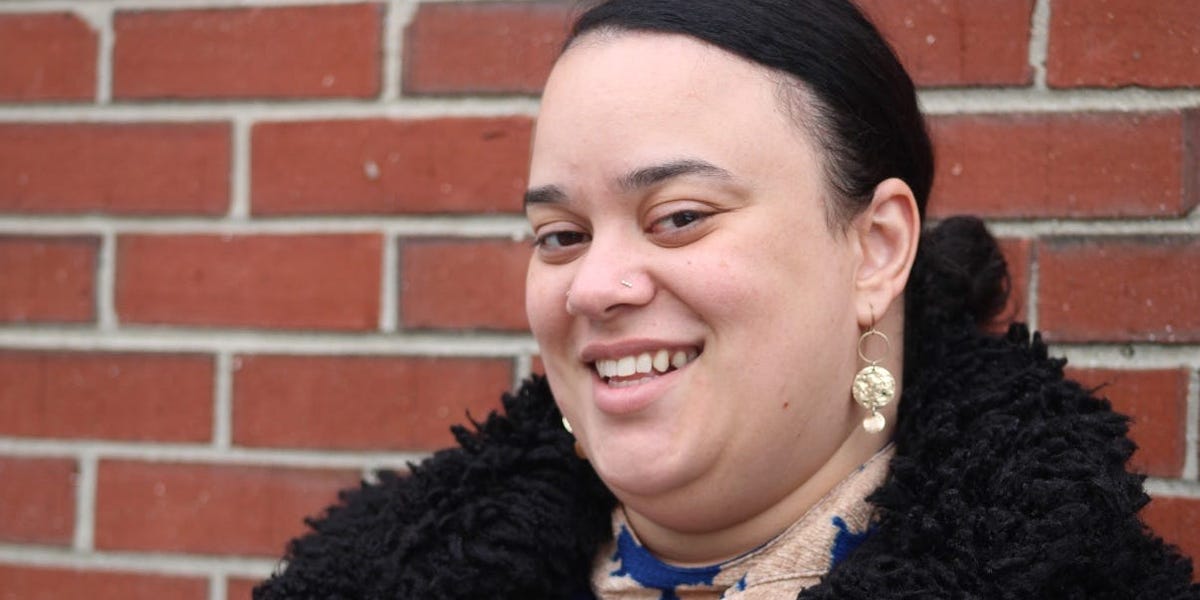
This as-told-to essay is based on a conversation with Rose Barboza, founder of Black Owned Maine. It has been edited for length and clarity.
In the summer of 2020, I started a directory of Black-owned businesses in Maine. I was looking for a way to support the Black community for people who couldn’t attend protests. I also wanted to make a longer-term economic impact.
It immediately took off. These were my neighbors and local businesses that I just hadn’t heard about. That’s the thing: People joke about Maine being the whitest state, but there are actually plenty of Black-owned businesses here. They’re just not in Maine’s heritage industries, so they don’t necessarily get a lot of attention.
The directory took off like a rocket ship. Black Owned Maine now has four employees, including me, and an annual operating budget of about $250,000. In addition to the directory, we host events and business advising to support Black Business owners. As of late 2025, we had 423 businesses on the list, including a gym, beauty salons, restaurants, translation services, and more. About half of them were owned by immigrants.
I felt the directory became too dangerous when ICE arrived in Maine
I’ve always worried about what could happen if the list got into the wrong hands. My concern grew as there were rumors of ICE coming to Maine to do a large-scale raid. I was worried about agents being able to scrape our website and target the businesses that were listed.
My community was hesitant to bring the list down. Many businesses rely on us for free advertising. One beauty salon owner recently told me she got four new clients in one week after we featured her on our social media. I didn’t want to take that away if I didn’t need to.
When ICE arrived in Maine in January, I decided it was too unsafe to have a public-facing list of Black businesses. We took down the directory in late January.
We’re considering putting the list behind a paywall
Creating Black Owned Maine is the biggest thing I’ve ever done, aside from having children. Taking it down felt like a defeat of my life’s work.
When I feel discouraged — which is often these days — I have to remind myself we’re not at the end. There’s a path forward from here, and we just have to see what it is.
One option we’re looking at is putting the directory behind a paywall. It’s expensive to run this nonprofit, and in recent years, grants for this type of work have been hard to come by. We believe people should be compensated for doing social justice work, and charging to access the directory feels like a way to practice what we preach about economic empowerment.
It would take about $100,000 to rebuild the website in a way that can keep information secure. That includes the cost of staff needed to operate it for about two to three years. Still, it’s a lot of money to ask for. Right now, we’re encouraging people who have used our list to donate.
Despite everything, I’m still hopeful
Maine is such an accepting place. And yet, I’ve had business owners reach out to ask me to take down social media posts featuring them. People are scared. It feels like they’re being forced into hiding.
I’m hoping people will continue to support Black and immigrant communities in Maine. Recently, I booked an appointment with a new dentist, an immigrant from Southeast Asia. Her clinic is a little further away, but I want to support her. If we’re all more intentional about where we spend our money, we can make a difference.
Sometimes I think, “Why are we even doing this?” But underneath the difficulties, I’m still hopeful.
Editor’s note: Business Insider reached out to ICE for comment.
Read the full article here