

Join Us Tuesday, June 30

For two years, my home was a converted blue school bus.

My days on the road revolved around finding water, monitoring battery levels, planning routes, and deciding where I would sleep each night. I learned how to live with less, adapt quickly, and embrace uncertainty.

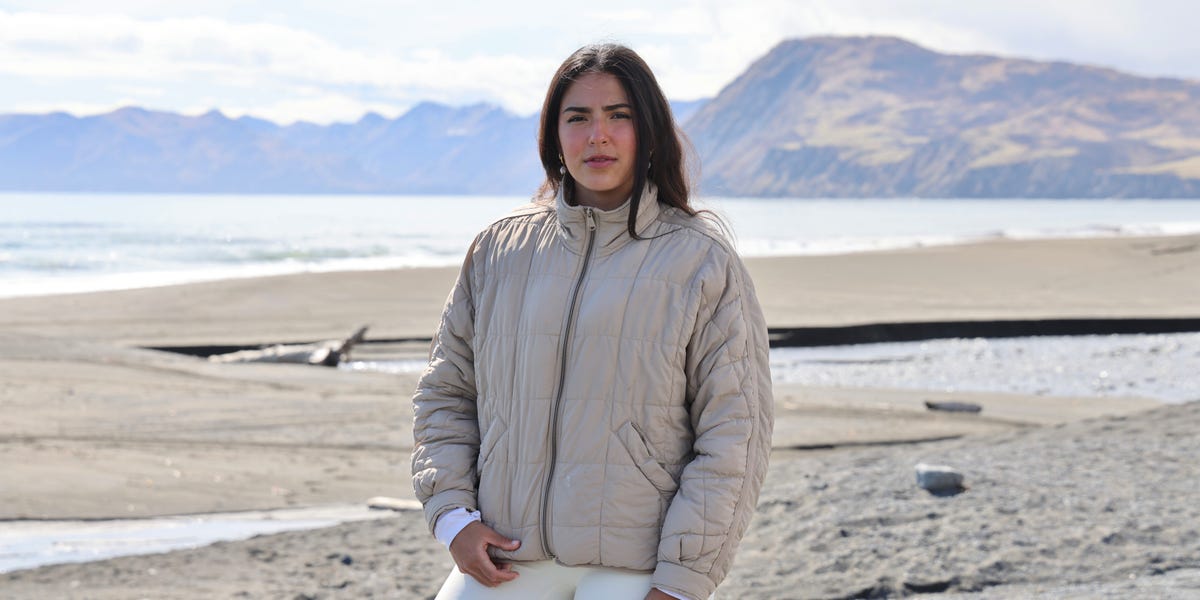
So, last year, when I moved with my boyfriend to a remote island off the coast of Alaska for his job, I thought my time on the road would make the transition feel natural.

Before I arrived, I pictured endless wilderness, limited conveniences, and a lifestyle that felt disconnected from the rest of the world.

I looked forward to moving to a town of about 5,200 people, with surrounding villages bringing the total population to just under 12,400 residents. Plus, the area is accessible only by boat or plane, with the nearest flight to Anchorage 250 air miles away.

However, once we settled in, I definitely encountered some surprises.

The tight-knit community makes the island feel smaller than it looks on a map.

When I lived on the bus, I was constantly meeting new people, but I rarely ever saw the same faces twice. Life felt exciting, but it could also feel temporary.

On the island, familiar faces have become part of my routine. Now, I recognize people at local businesses, community events, and on my favorite walking trails.

Whether we’re helping each other out with items we can’t get shipped, or simply buying a local business’s jam, my daily interactions with locals make me feel connected to the community in a way I never had before.

Over time, this has made the island feel much smaller than it appeared on a map.

Living remotely doesn’t mean I have to give up modern conveniences.

Even though being on a remote island means packages typically take longer to arrive and shipping costs may be higher, I’m still able to find everyday comforts in the middle of nowhere.

In addition to gorgeous scenery, we also have a variety of coffee shops, fitness classes, local markets, and restaurants — establishments some people might assume don’t exist in isolated places.

However, it’s not always easy to find everything on my shopping list.

One thing I wish I had known before moving to a remote island was how much planning goes into simple, everyday purchases.

When I lived on the bus, I could usually drive to another town if I needed something. If one store didn’t have what I wanted, another was often a short drive away.

Island life is different. If a store is out of an item, I sometimes have to wait several weeks for it to come back in stock.

Plus, I’ve found that online orders can take longer than expected to arrive. So, I’ve learned to plan accordingly to avoid running out of household essentials.

However, there are times when I forget to stock up on certain items, so I resort to hunting, fishing, or asking community members for help. At first, this adjustment felt inconvenient. Now, it’s become second nature.

The weather is not what I expected.

Before moving here, I imagined Alaska mostly through photographs: dramatic mountains, wildlife, and beautiful summer scenery.

What I wasn’t prepared for was how much the weather shapes everyday life. Some days begin with one plan and end with another because of fog, rain, or wind.

Outdoor activities, travel schedules, and even simple errands can be influenced by the conditions outside.

The island receives around 200 days of rainfall every year, so I pay much closer attention to weather forecasts than I ever have before.

My pace of life slowed down in a way I didn’t expect.

When I was living on a bus, life often looked peaceful on my social media pages, but beneath the surface, there were constant logistics. I was always planning my next stop, finding a place to park, or figuring out where I was headed next.

Now, instead of spending every free moment rushing from one activity to the next, I’ve found myself slowing down and paying attention to my surroundings.

During my first few months, I would stop everything to watch an eagle soar overhead or search for whales along the shoreline. Those moments still feel special, but they’ve also become woven into daily life.

I expected remote living to feel restrictive, but instead, it gave me permission to slow down and appreciate where I am.

Life on the island feels more rooted.

There’s a comfort that comes from staying somewhere long enough to become familiar with it.

For the first time in years, I know the trails I walk regularly. I have favorite beaches, favorite viewpoints, and favorite places to watch the sunset.

Going into this move, I expected isolation and inconvenience. Now, a year later, I’ve found a community and a different rhythm of living that I’ve learned to love.

Instead of constantly moving around on my four wheels, I now appreciate the beauty of staying put.


Read the full article here

Share.
Leave A Reply

Exit mobile version