










Flock Safety, the embattled AI-powered security camera operator, announced an overhaul to its privacy and security measures Thursday amid growing backlash from consumers and reports of law enforcement abuse.
As public backlash to the company’s growing network of automated license plate readers (ALPRs) continues to build, the company announced a new set of reforms that includes enhanced privacy protections, strengthening of control for local law enforcement offices and enhanced accountability measures.
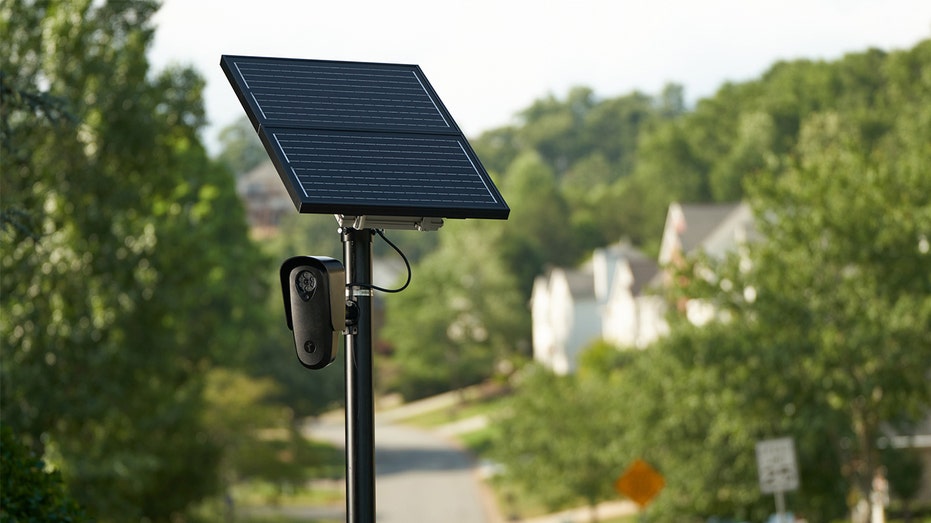
To start, Flock is reducing its standard data retention window from 30 days to seven. Previously, all data captured by one of the company’s more than 119,000 cameras nationwide was deleted after the 30-day window. Now, the company announced on Thursday that data will only live on Flock servers for one week.
While law enforcement agencies often respond to privacy-concerned critics by explaining that the Flock system helps them catch criminals, Flock said that 90% of all searches using its product happen within a week anyway, seemingly keeping the privacy reform consistent with law enforcement priorities.
ZOOX CEO SAYS AUTONOMOUS VEHICLES NEED REGULATION MONTHS AFTER ROBOTAXI DROVE INTO LAS VEGAS FIRE SCENE
However, for law enforcement agencies that need more time to investigate, Flock announced the launch of “Evidence Mode,” a feature that will allow agencies to preserve data for longer based on state or local policy.
Another privacy protection the company announced will be the ability for agencies to decide which types of criminal offenses they want to share data about with other municipalities.
“For example, City A could allow City B to search its cameras for a stolen vehicle or violent crime while blocking searches related to immigration enforcement,” the company said.
SAFETY TECH COMPANY LAUNCHES TOOL TO HELP LAW ENFORCEMENT SOLVE CASES FASTER
Flock has come under fire from privacy advocates and concerned citizens, who expressed worry that Flock will be storing data on servers for the long term.
Some, such as Knox County, Tennessee, Mayor Glen Jacobs have called for a national moratorium on the deployment of Flock’s cameras.
Civil liberties advocates, such as the American Civil Liberties Union (ACLU), have also offered significant criticisms.
The ACLU said in a Thursday statement that Flock’s reforms “seem to be a thinly veiled PR attempt to counter communities’ genuine privacy concerns with its mass surveillance system with largely hollow security promises, rather than an earnest effort to address them.”
The backlash has been partially fueled by reports of police abusing the technology to stalk romantic partners. Flock’s latest series of reforms also seek to proactively prevent abuse of its technologies.
A recently released framework called Audit Assistance flags abnormal search behavior. Previously, the feature was optional, with Flock reporting that a third of agencies turned it on. Now, the company says “Flock is making it standard for every law enforcement customer. When a system detects abnormal activity, the user is locked out in real time until an administrator reviews the searches. Flock is moving to more proactively address and root out misuse of technology.”

Flock will also require a reason for every search going forward.
In July 2025, the company introduced an optional case code requirement. The new reform makes the case code mandatory for searches, though there will be an override for “genuine emergencies” such as missing children, the company said.
“A search without a reason is a search that shouldn’t happen in the first place, and now Flock’s system automatically treats it that way,” Flock told FOX Business.
Despite the public backlash, Flock highlighted the company’s success in helping to locate missing people, saying that in the 1 million investigations that Flock’s technology was involved in last year, roughly 10,000 missing people were located.
Read the full article here