









Federal Reserve policymakers were concerned about high energy prices contributing to inflationary pressures in the economy when they held interest rates steady last month, the minutes from the meeting show.
The Federal Open Market Committee (FOMC), the Fed panel responsible for monetary policy decisions, released the minutes of policymakers’ April meeting on Wednesday which showed inflation driven by energy prices and tariffs when they kept the benchmark federal funds rate unchanged at a range of 3.5% to 3.75%.
The minutes indicated that the personal consumption expenditures (PCE) index, the Fed’s preferred inflation gauge, was estimated at 3.5% in March. That’s well above the Fed’s 2% inflation target and jumped from 2.8% in February as the Iran war disrupted energy supplies from the Middle East.
“Almost all participants noted that there was a risk that the conflict in the Middle East could persist for an extended period or that, even after the conflict ended, the prices of oil and other commodities could remain elevated for longer than expected,” the minutes explained.
GAS PRICE SURGE HITTING LOW-INCOME HOUSEHOLDS HARDEST, FED STUDY FINDS
“In such scenarios, these participants expected continued upward pressure on inflation arising from supply chain disruptions, high energy prices, or the pass-through of higher input costs to other prices,” the FOMC continued.
“The vast majority of participants noted an increased risk that inflation would take longer to return to the Committee’s 2% objective than they had previously expected,” the minutes said.
Policymakers anticipated that high energy prices will continue to put upward pressure on inflation in the near term, while tariff-induced inflation is expected to diminish this year unless tariff rates rise above their current levels.
FEDERAL RESERVE LEAVES INTEREST RATES UNCHANGED AS POWELL’S CHAIRMANSHIP NEARS END

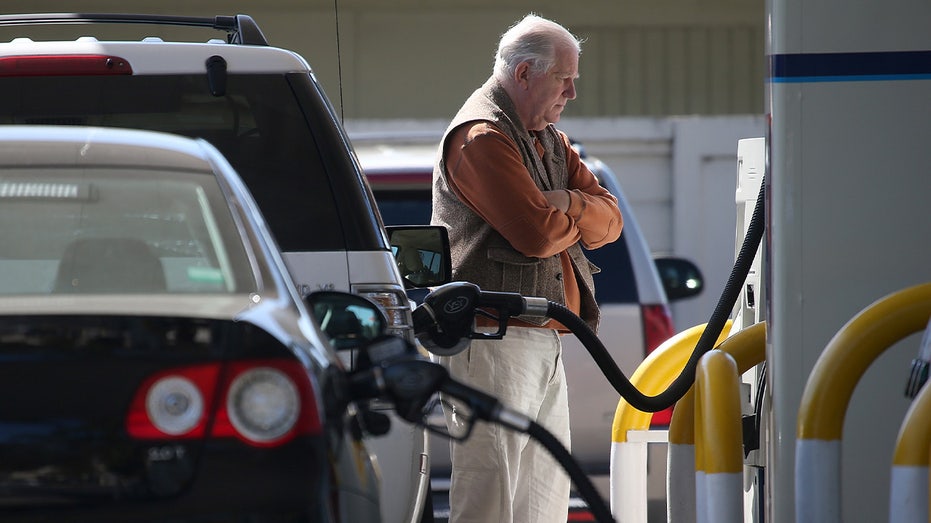
Oil prices have hovered around or above the $100 per barrel range after trading closer to $70 a barrel before the Iran war. Meanwhile, gas prices have surged over 43% year over year to an average of $4.55 a gallon as of Wednesday, according to AAA data.
Concerns that persistently high oil and gas prices may continue to push inflation higher and contribute to an uptick in inflation for other goods due to transportation costs weighed on the outlook for interest rate cuts.
The Fed’s April policy meeting included a dissent from three FOMC members – Cleveland Fed President Beth Hammack, Minneapolis Fed President Neel Kashkari and Dallas Fed President Lorie Logan – who opposed the inclusion of language they felt showed a bias toward easing interest rates.
FED’S FAVORED INFLATION GAUGE REMAINED ELEVATED IN MARCH
“A majority of participants highlighted, however, that some policy firming would likely become appropriate if inflation were to continue to run persistently above 2%,” the minutes explained.
“To address this possibility, many participants indicated that they would have preferred removing the language from the post-meeting statement that suggested an easing bias regarding the likely direction of the Committee’s future interest rate decisions.”
The market’s view of the interest rate outlook has shifted to signal possible interest rate hikes before the end of the year, as the CME FedWatch tool shows a 51% probability that remains will remain at their current level of 3.5% to 3.75% through the Fed’s December meeting.
It also shows just a 1.6% chance of a 25-basis-point cut by December, compared to a 36.7% probability of a 25-basis-point hike, a 9.5% chance that rates rise by 50-basis-points by December, and a 1.1% chance of 75-basis-points worth of rate hikes.
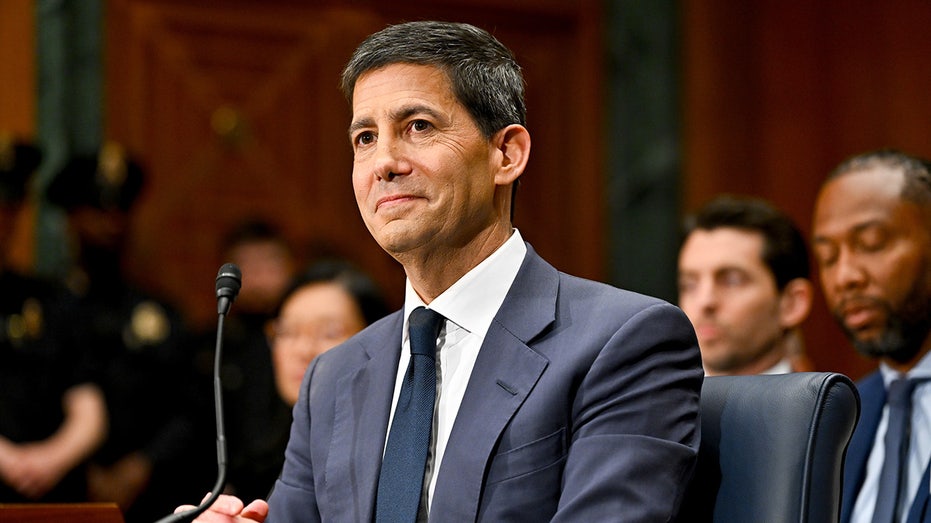
“Incoming Fed Chair Kevin Warsh faces a challenging backdrop as steady labor market conditions alongside rising inflation risks increase the odds of a rate hike as the next policy move,” said EY-Parthenon chief economist Gregory Daco. “Our expectation remains that the Fed will stay on hold throughout the rest of the year, and we expect more two-sided dissents at upcoming meetings, including from the Fed chair.”
Heather Long, chief economist at Navy Federal Credit Union, said that “Fed leaders were already talking about the possibility of potential rate hikes in April. It’s inevitable the Fed will shift to a neutral policy stance at the June meeting and will probably hike at some point later this year.”
“There’s no end in sight to the war in Iran, and bond investors are becoming freaked out about inflation risks. New Fed Chair Kevin Warsh must show that he’s committed to keeping inflation in check, no matter what the White House says,” Long added.
Read the full article here


