






There’s one thing you need before you can vibe code everything: An engineer to show you how.
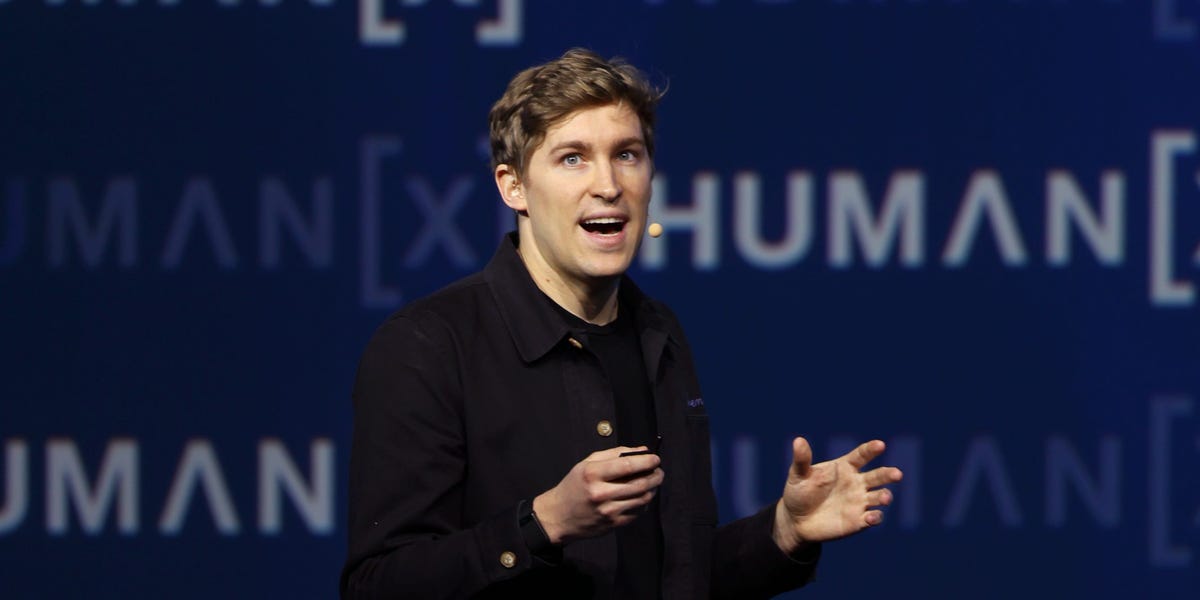
At a talk at Sequoia Capital released last week, ElevenLabs CEO Mati Staniszewski said that he is adding an engineer to every non-technical team inside the voice AI company.
“Our people team, our go-to-market team, our legal team will have an engineer in that team that helps to build automation and upskill, uplevel the rest of the people,” he said. “Recently, that really helps because everybody will be vibe coding and coding a lot.”
Staniszewski, who cofounded ElevenLabs in 2022, said that non-technical teams around the company are already building tools.
“There’s just so much incredible work you can do by having that, whether that’s the scraping on the hiring and recruiting front or analyzing what worked in the past to improve in the future,” he said.
The company “recently introduced a scoring system for those on the go-to-market or the sales side.”
He said the scoring system tool has saved many negotiations with the sales team, which used to ask him about provisions they could give a potential customer.
In February, ElevenLabs announced that it raised $500 million in a Series D round, bringing its valuation to $11 billion. The startup, which was founded in London, had 350 employees as of November, according to investor Andreessen Horowitz.
End-to-end ownership
The company seems to follow an increasingly popular organizational model in which teams are expected to take on greater ownership and be self-sufficient. This means engineering teams are responsible for everything from product design to marketing what they’ve built, and non-technical teams are expected to create their own tools to improve workflows.
ElevenLabs’ employees are divided into about 20 micro-teams of five to 10 people each, Staniszewski said in a September interview.
Each of these teams owns a product area, such as a studio interface or voice agents, to move fast, he said.
Execs at AI coding startups, including Cognition and General Catalyst-backed Kilo, told Business Insider that they view ownership as a must-have for current and potential employees.
“You see a problem, solve the problem,” said Emily Cohen, who heads people and operations at Cognition, in an interview last month. “We’re not the classic company that’s just like, ‘Oh, well that’s that team’s job.'”
Read the full article here