









The Trump administration is preparing to launch what Treasury Secretary Scott Bessent called an “economic D-Day” against Iran, escalating pressure not only on Tehran but also on foreign governments, financial institutions and businesses that continue providing the country with economic lifelines.
The campaign could raise the stakes for companies and countries with financial, shipping and energy ties to Iran, as Tehran threatens to treat participation in the U.S. pressure campaign as an “act of war” and potentially disrupt oil exports across the Persian Gulf.
“At dawn begins an economic D-Day — the single greatest financial offensive ever marshalled against an adversary,” Bessent wrote in a Financial Times op-ed published Sunday ahead of planned remarks Monday.
Bessent said the administration intends to target the remaining commercial and financial links sustaining Iran, including countries and entities involved in purchasing and transporting Iranian petroleum, moving money through exchange houses and free-trade zones, maintaining ship registries and facilitating other financial activity.
US WARNS OF ACTIVE CYBER THREAT TARGETING CRITICAL INFRASTRUCTURE
“Any nation that serves as a financial artery of a withering regime should expect to share in its isolation,” Bessent wrote.
President Donald Trump has separately described the campaign as the “MOST CRUSHING ECONOMIC OPERATION EVER TAKEN AGAINST ANY COUNTRY,” warning that countries allowing their banks, businesses, airports or government entities to provide Iran with an economic “lifeline” could face U.S. economic consequences.
A POWERFUL COUNTRY ON THE OTHER SIDE OF THE WORLD IS QUIETLY SHAPING TRUMP’S LATEST TRADE FIGHT
Trump specifically cited oil smuggling, swap lines, cash transfers, exchange houses, ship registries and front companies among the activities Washington is targeting.

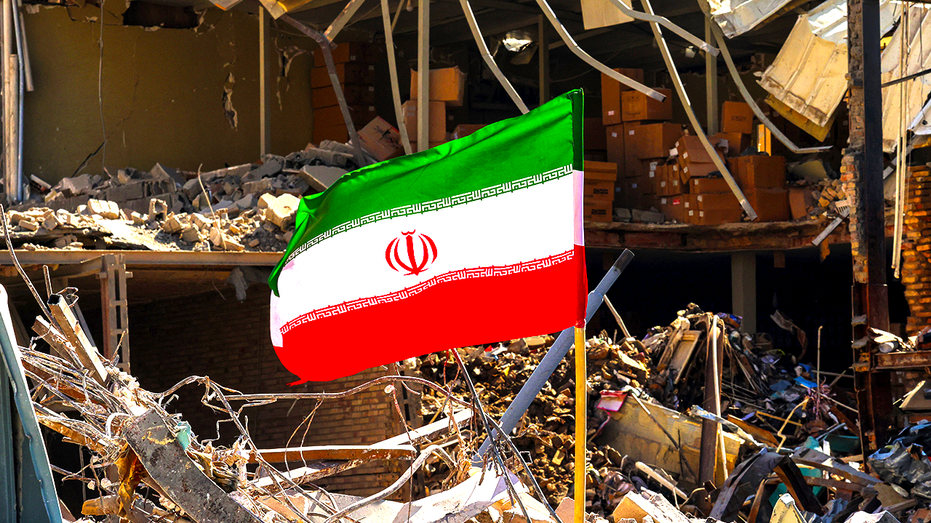
Iran, meanwhile, is seeking to raise the potential cost for countries that align with Washington’s campaign.
Mohsen Rezaei, secretary of Iran’s Supreme National Security Council, warned Sunday that Tehran could move against oil exports from the region if the pressure continues.
“If the economic war continues, not a single drop of oil will be exported, neither through the Strait of Hormuz nor from anywhere in the Persian Gulf,” Rezaei wrote on X. “Iran will regard any country’s participation in or support for America’s economic war against the Iranian people as an act of war.”
The dueling warnings are increasing pressure on governments and companies weighing whether to maintain economic ties with Iran and risk consequences from Washington or distance themselves from Tehran amid threats of Iranian retaliation.
China said Monday that sanctions and pressure would not resolve the dispute and that Beijing would take necessary steps to protect its rights and interests, according to reporting from Reuters. Chinese Foreign Ministry spokesperson Lin Jian also urged the parties to act with restraint.
Pakistan, meanwhile, has continued its efforts to mediate between Washington and Tehran. Pakistani army chief Asim Munir arrived in Tehran Monday for talks that Pakistan’s military said were part of efforts to promote regional peace and stability.
Bessent has not yet publicly detailed the full legal and financial measures that will make up the new campaign. His op-ed said the administration is prepared to use “every agency, every authority” to isolate Iran economically.
CLICK HERE TO GET FOX BUSINESS ON THE GO
FOX Business has reached out to the Treasury Department for additional details on the scope of the planned measures. Bessent is expected to provide additional details on the administration’s Iran strategy later Monday.
Read the full article here