

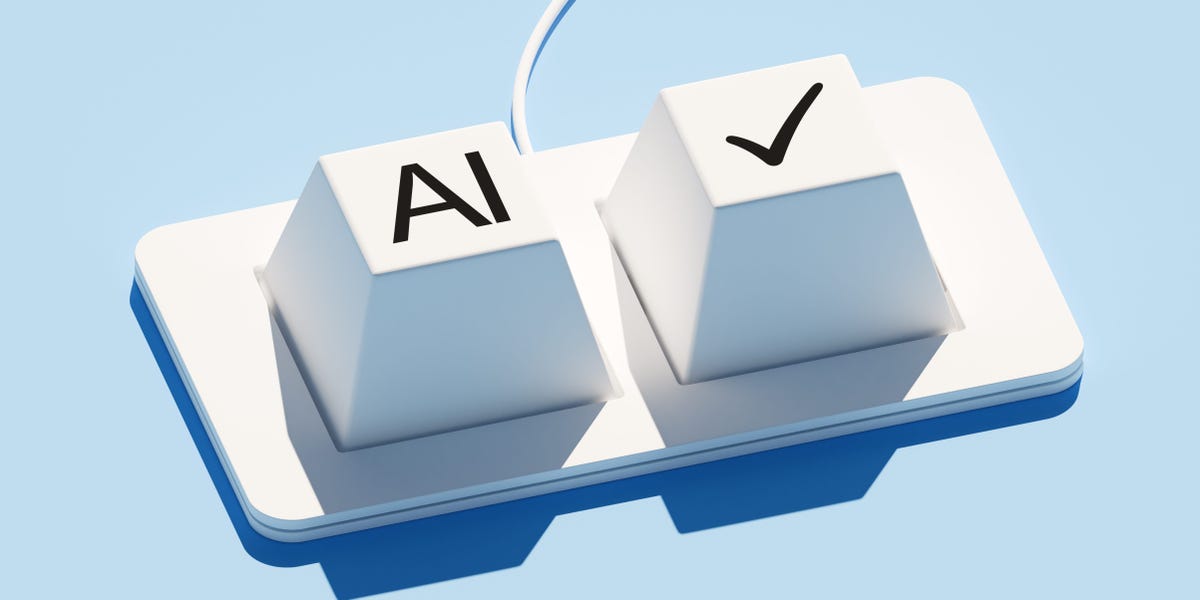
This week, Anthropic announced that it will be adding in a watermark to its outputs, making it highly detectable to tell if something was “processed by Claude.”
This should strike fear into the hearts of any students who have become addicted to the sweet, sweet nectar of AI-written term papers and homework. Or anyone using AI to write their emails or LinkedIn posts who isn’t willing to proudly own that fact.
How embarrassing to be caught Claude-handed! Or… is it?
The rise of AI watermarking makes me wonder: How much do people care if their AI use is outed? If we look at the most common uses of what people actually use AI to write, I suspect the answer is less than we might imagine.
Sure, I think there’s good reason students shouldn’t be using AI to write homework or term papers. And many people don’t love the idea of AI-written novels (or even fan-fiction). I find writing an easy and enjoyable task, so I wouldn’t use it to write an article like this (it does make me sad, however, that I have to avoid words like “delve” or phrasing like “it’s not X, it’s Y”).
But that kind of public-facing writing — even the LinkedIn broetry or social media stuff — is a teeny-tiny sliver of what AI writing is actually used for in the world. More likely, people use it to draft emails, write internal documents that only they or their coworkers will ever see, write up summaries of Zoom calls or meeting notes, research reports, Slack messages or the myriad of other text-generation moments in a workday. The kind of writing that is yes, an important part of many jobs, but we as a society don’t necessarily hold to the same authorship standards as, say, entrants to a short story prize competition.
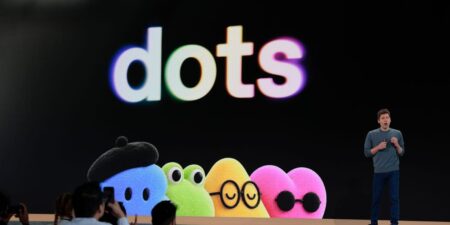
So, if you knew that using AI to write something would be easily identifiable, would you still do it? Are you willing, like Y Combinator CEO Garry Tan, to proudly declare yourself an AI writer (“I sure do, you caught me,” he recently said) even when faced with a table full of your peers arguing that only humans should write material intended for other humans?
My guess is that for many people doing the most common uses for AI writing, the answer is yes. Because most of the stuff they’re using it for, it doesn’t seem embarrassing or shocking if it’s revealed to be AI-written.
Some companies are clearly betting that there’s demand to detect it. Pangram, an AI detection service, wants to launch a new feature that integrates with Gmail. The new feature was discovered by journalist and researcher Jane Manchun Wong, and Pangram’s CEO, Max Spero, confirmed to Business Insider that they are indeed hoping to launch it soon (pending some permissions with Google).
Pangram is working on Gmail integration that “scans incoming mail on its servers” to label whether an email is written by AI,
with an option to move AI-generated emails to Spam / Trash pic.twitter.com/zqx9Ogsbch
— Jane Manchun Wong (@wongmjane) August 11, 2026
But at what point does this become an arms race between AI users and AI detectors, a never-ending game of whack-a-mole where the tools are bound to sometimes get it wrong, as Anthropic and other AI-detection tools have warned. Do we ever call a truce and just go back to sending typo-filled emails (personally, I’d like to see that).
Once AI detectors or watermarks are more ingrained in popular products, does it become more or less embarrassing to be caught using AI to write? Or are we already one foot into a new world where some level of AI-spellcheck or finessing is assumed?
I’m not really sure where the evolving norms around AI writing will land. Some clear uses, like academic work or literature, will probably always be seen by some as off-limits. (Sorry, students, your professor is probably never going to let ChatGPT write your term papers, and I am never going to willingly read an AI-written book.)
But for other uses, I suspect many people will decide to just go mask off — AI detectors be damned. If AI watermarking means I can have my beloved em dash back, maybe it’s worth the trade.
Read the full article here