





AI companions could be good for your mental health — but bad for your social life.
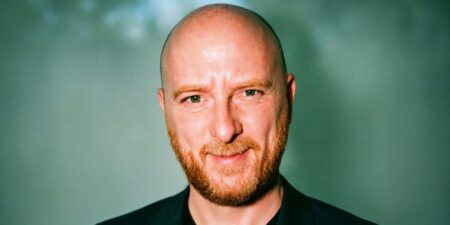
That’s the potential trade-off Paul Bloom, the Brooks and Suzanne Ragen Professor Emeritus of Psychology at Yale University, sees as AI companions become increasingly sophisticated.
“If some future version of Chat or Claude or Gemini could come in and ease the pain of the loneliness of these people, I think it’d be a godsend,” Bloom said on an episode of Sam Harris’ “Making Sense” podcast that aired Wednesday. “I think it’d be wonderful. It’d be a cure for a terrible disease.”
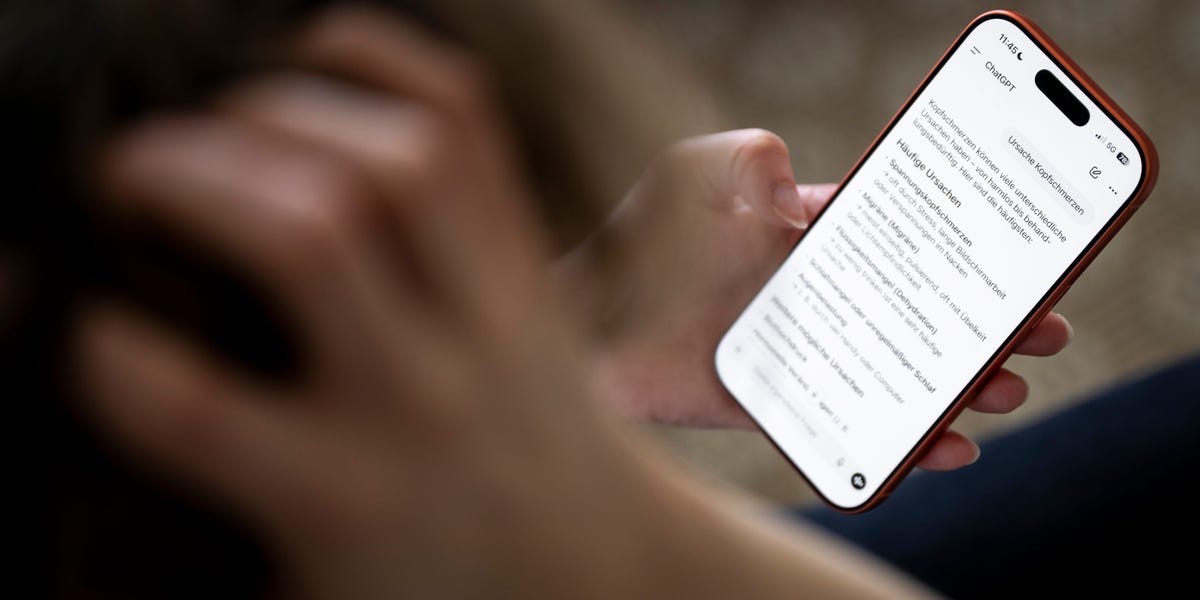
But Bloom said the benefits could come with unintended consequences. A chatbot, he said, “never gets bored,” “never needs an apology,” and “never says, ‘Hey, that was inappropriate.'”
Spending too much time interacting with companions that never challenge users, he said, “could have a real corrosive effect” and “leave you unable to interact with real people.”
The hidden cost of AI companions
Bloom’s warning comes as loneliness and social disconnection remain widespread in the US.
The American Psychological Association’s latest “Stress in America” survey of 3,199 US adult residents found that 54% say they often or sometimes feel isolated from others, and 69% said they needed more emotional support over the past year than they received.
For some people, AI companions have already begun filling that gap. Some users have formed friendships and even romantic relationships with chatbots.
Researchers studying AI’s social effects worry that those relationships could come with unintended psychological trade-offs.
Earlier this year, Anat Perry, a Helen Putnam Fellow at Harvard University, told Business Insider that overly agreeable AI systems risk eroding “the very feedback loops through which we learn to navigate the social world.”
If chatbots consistently validate users during disagreements, she said, people may become less willing to apologize, reflect on their own behavior, or consider another person’s perspective.
A recent Stanford-led study of 2,405 participants found that chatbots were significantly more likely than humans to agree with users during conflicts.
The issue has become significant enough that OpenAI has repeatedly dialed back ChatGPT’s tendency to flatter users. CEO Sam Altman has described the chatbot’s previous personality as “too sycophant-y,” while acknowledging that some users asked for the more supportive version to return because they had “never had anyone in my life be supportive of me.”
Bloom doesn’t dismiss that emotional benefit. “I don’t want to mock it,” he said. “I think people find solace in it.”
But he believes AI cannot replace what philosopher Rebecca Goldstein calls “mattering” — knowing someone chooses to spend time with you because you genuinely matter to them.
“I don’t think an AI really has any of that,” Bloom said. “It’s just a machine. That’s what it does.”
Read the full article here