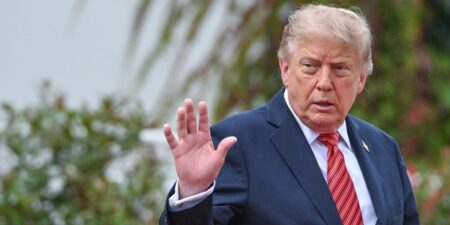




The Trump administration has announced major changes to the F-1 student visa program that could reshape how international students study and stay in the US.
If the rule takes effect, F-1 visas, which have historically allowed students to remain in the country for the duration of their academic program, would instead be capped at four years. The grace period after graduation would also be cut from 60 days to 30 days, so students seeking to regain F-1 status would have to either apply to the Department of Homeland Security (DHS) or leave the country and re-enter. Students would also no longer be able to begin another program at the same or a lower academic level after finishing their current one.
The DHS said the changes are aimed at addressing national security concerns, visa fraud and abuse, overstays, and the growing number of international students in the US. If the rule clears congressional review, it will take effect on September 15.
We asked three immigration lawyers to break down what the proposed changes could mean in practice — and what international students should know.
Their words have been edited for length and clarity.
‘My advice to international students is to avoid non-essential international travel if at all possible’
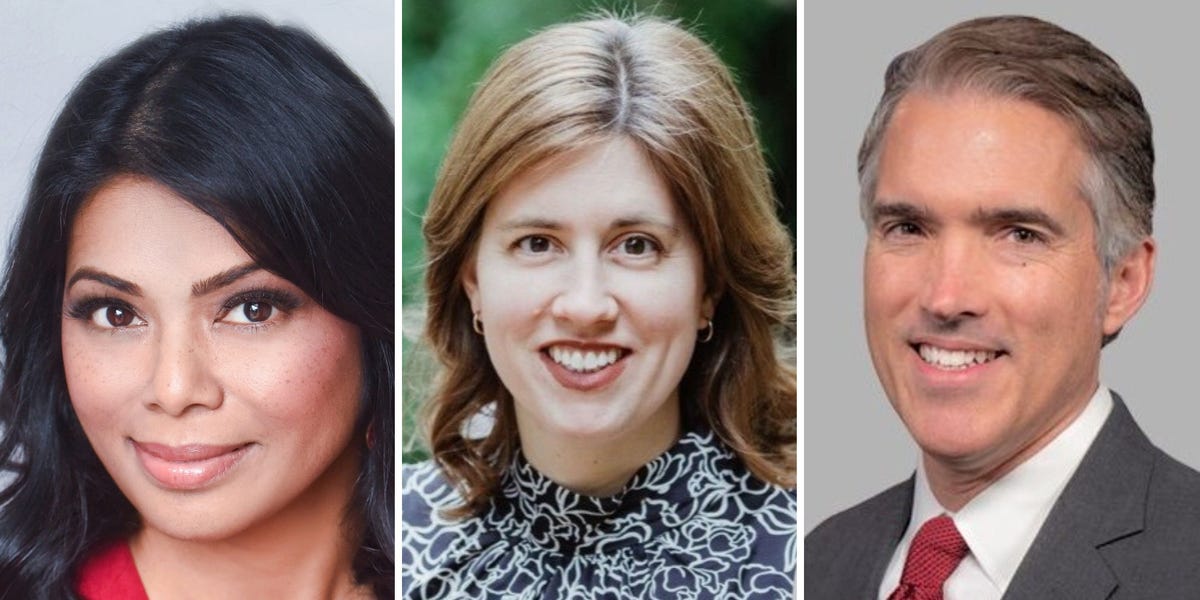
Tahmina Watson is a business immigration lawyer in Seattle.
“This is far more than an immigration rule — it’s an economic policy. By fundamentally changing the international student program, the United States risks becoming a less attractive destination for the world’s brightest minds. The ripple effects will extend well beyond students, impacting universities, businesses, innovation, local economies, and America’s long-term global competitiveness for generations.
Given the current immigration climate, my advice to international students is to avoid non-essential international travel if at all possible. Even students who have maintained lawful status can face increased scrutiny at U.S. ports of entry, and policies continue to evolve.
If you’re eligible for Optional Practical Training (OPT) or STEM OPT, apply at the earliest opportunity rather than waiting until the last minute. Filing early provides a greater buffer against processing delays and unexpected policy changes, helping preserve your ability to continue working and remain in status.”
‘A one-size-fits-all duration won’t fit many students’ degree programs’
Loren Locke is the managing attorney and founder of Locke Immigration Law, an Atlanta-based boutique firm specializing in US business and individual immigration.
“Fewer than half of American undergraduates finish a bachelor’s degree within four years. The Department of Education doesn’t even use four-year completion as its official measure, and instead reports six-year rates. Many engineering and architecture programs are designed to run five years. Doctoral programs and medical training routinely last longer than five years. A one-size-fits-all duration won’t fit many students’ degree programs, not to mention how many will be impeded from completing post-graduate employment that international students have long been eligible for.
As a lawyer, it worries me that USCIS could arbitrarily deny extension applications or take so long that the student’s course of study is effectively ruined, and there would be no recourse that would allow the student to get back on track.
Barely a year and a half ago, DHS codified a deference policy promising consistency for people the government had already approved. This rule strips that protection from students.
The United States invites students from around the world to pay full freight at our universities. Holding over them the very real and increasing risk that they will walk away without a diploma, despite doing everything right, really damages our brand as a good destination for international students. This will have a tremendously bad economic impact.”
‘I’d imagine this would have a chilling effect on students’
Brian Hunt is a counsel at immigration firm Fragomen, Del Rey, Bersen & Loewy LLP in Washington, DC.
“The student ‘duration of status’ rule is finalizing a rule USCIS published a few months ago, and it’s also picking up and dusting off an almost identical proposed rule published in 2020 under Trump 45. The rules change with every administration, so this is not a surprise. I’d imagine this would have a chilling effect on students.
This introduces uncertainty into the equation. Next spring, a cohort of students whose F-1s are expiring — who want to get into the skilled worker pipeline — will be applying for F-1 status extensions for the first time. That’s when we’ll see what happens. Are they going to approve them all? Are they going to give them a hard time?
Frankly, if they delay them, in most cases they’re not subject to removal, but they also can’t start working until it’s approved. We’ll see what happens next May: whether the skilled work pipeline is left intact or damaged.”
Are visa changes impacting your education or career plans? Email Charissa Cheong at ccheong@businessinsider.com and Tess Martinelli at tmartinelli@businessinsider.com.
Read the full article here