






Amid the chaos of March Madness is a simple leadership lesson: Know your team.
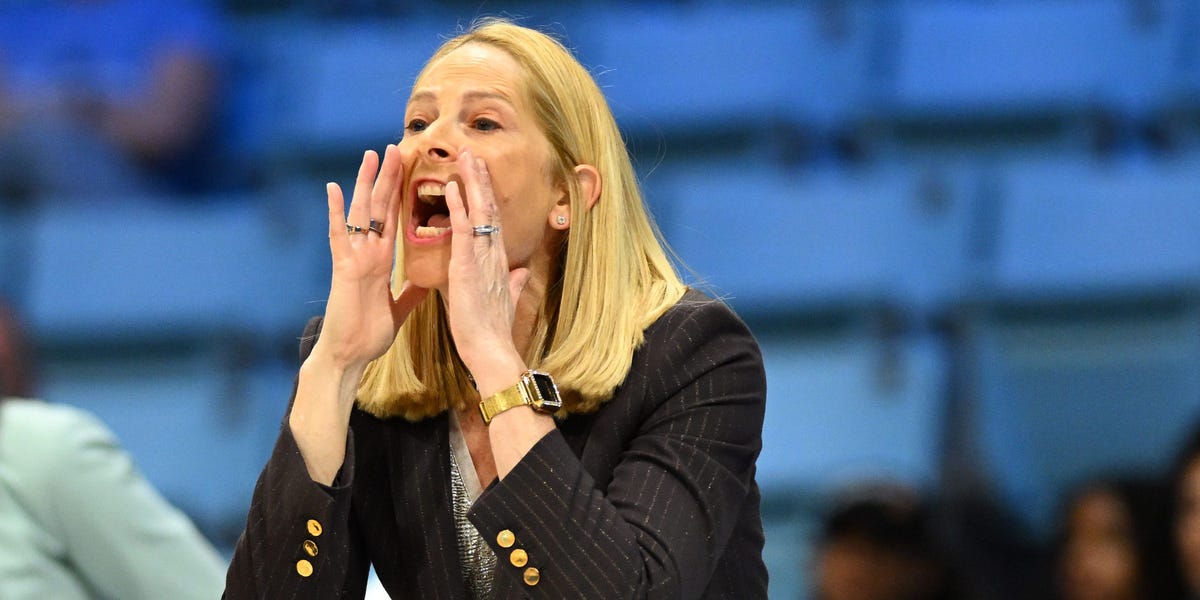
On Sunday, Brenda Frese, the University of Maryland basketball coach, went viral after cameras showed her shouting passionately at one of her players.
“I believe in you, but you got to want this moment,” she told junior guard Oluchi Okananwa, just a few inches away from her face.
While the interaction might appear abrasive at first — and sparked debate online about whether it crossed a line — Frese’s message turned out to be exactly what Okananwa needed in that moment.
“I love to be coached hard, and that’s what she does with me every single day. And really what that was, was a regroup moment for myself and her telling me she believed in me, because sometimes that’s really all you need to hear,” Okananwa said at a post-game press conference.
The guard said she was “forever appreciative” of the interaction, and after the heated conversation, she returned to the court and locked in for the rest of the game.
Moments like this can reflect a deeper level of trust between a coach and a player. In high-pressure situations, direct, emotionally charged feedback can cut through the noise — but it requires a strong relationship, according to Frese.
In a post-game press conference, Frese said that a coach needs to know their players. “You can’t have those conversations if you don’t have a relationship with them,” she said, according to Yahoo Sports.
Knowing your players
There’s a meaningful distinction between tearing someone down and delivering direct, emotionally charged feedback. In this case, Frese’s approach pushed Okananwa while also showing confidence in her ability to meet the moment.
“We do have to at times have those tough conversations,” Frese said at the press conference. “The best-of-the-best, the elite-of-the-elite wanna be coached hard.”
Tim Quigley, a professor of strategic leadership and governance at IMD, told Business Insider that Frese likely understood exactly what her player needed to hear, and that delivering it with intensity is part of the culture of sports — and real life.
“It takes your whole being, your whole soul, everything you’ve got, to compete at that level,” Quigley said. “Little, teeny things make all the difference. And that coach is working to get that out of her player. She knows her player and she cares.”
Quigley, who previously competed internationally as a cyclist, said those kinds of exchanges were common with his own coach. He added that while that specific kind of interaction is unlikely to occur in a boardroom, most CEOs have likely had similar moments of intensity with their teams.
“If we’re in the workplace trying to make a decision about, let’s say, it’s a multibillion-dollar acquisition, people are going to yell at each other at times,” Quigley said.
Quigley said the context in those scenarios is crucial. When people establish strong relationships and understand how to motivate their direct reports, those moments of feedback can be critical in helping them perform better without feeling belittling.
Read the full article here