



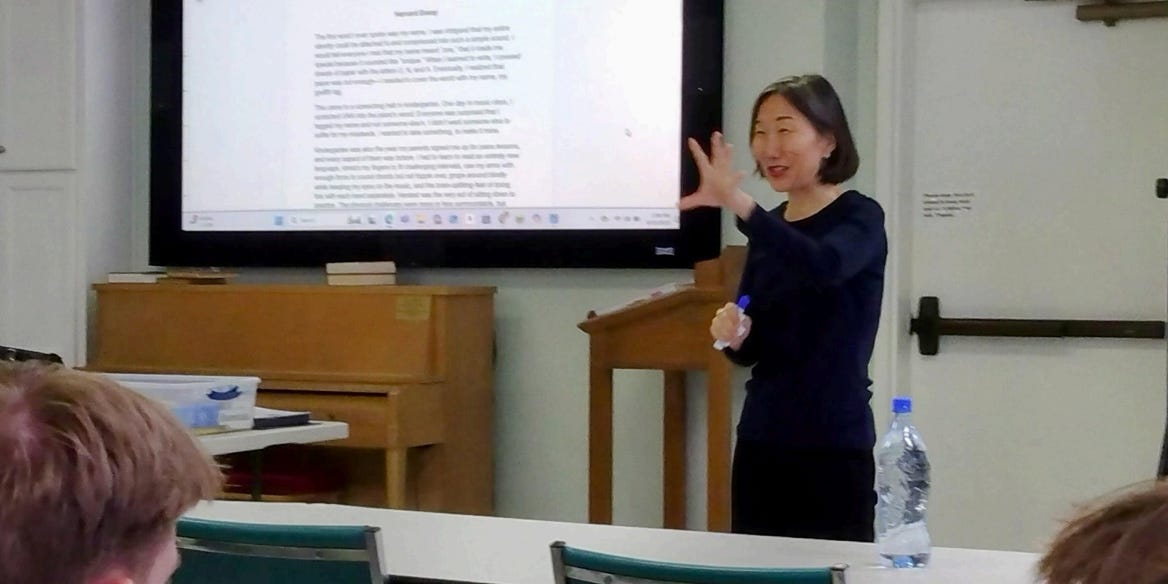
Brows furrowed, my student stared at the page. A senior at a reputable high school, she had lost track halfway through the six-line sentence and struggled to identify the subject.
“No problem. Let’s strip down the sentence,” I said, quickly filling the silence with the assurance that we would get through the SAT passage. She had come to me for help getting into college, but her poor grammar was costing her easy points.
My next college-prep student had his sights on the Ivies, but his Common App essay lacked originality and depth: a soccer injury, one of thousands his readers will have seen. As expected, the athlete learned patience and perseverance in the months he was benched. He needed fresh insight to stand out.
I’ve worked with high schoolers for over two decades, most recently as a college test-prep and essay coach. Recently, I’ve noticed a disturbing trend: high schoolers are lacking basic reading and writing skills. I blame their phone usage.
The X-factor in college readiness
I’ve seen many well-meaning high school students pile AP classes on top of extracurriculars. Many start college prep in junior year, banking on test-taking tricks and essay tips to unlock selective admissions.
But it’s how much sustained reading students have done over the years that determines how well they handle the verbal sections of the SAT, ACT, and college essays.
Reading imprints vocabulary and elaborate sentence structures in the mind, elements of language that emerge on tests and essays. Books build literacy, critical thinking, and cognitive stamina that TikTok videos don’t develop. Reading builds the muscle to track long sentences and narrative arcs. It also helps maintain focus on timed tests.
Yet reading is precisely the habit the smartphone generation has pushed to the margins of teenage life. With books displaced, students are writing college essays with fewer word and style variations and intellectual depth.
Students are prioritizing college-prep hacks over thoughtful reading and writing, but strategies alone can’t get them into top universities.
A landmark year for smartphones
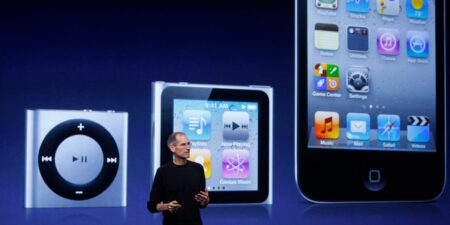
A decade ago, 2007 was the Year of the iPhone. That happened to be the year many current high school seniors and college freshmen also came into the world, a world shaped by that phone. And that phone would later hinder their growth.
Recent national surveys have consistently shown a decline in leisure reading among our teens as screen use has steadily climbed.
Ivy League professors told The Atlantic that their freshmen have turned up increasingly unable to handle the required reading at selective universities, as middle and high schools across the country have stopped assigning books or reduced the amount of reading.
I have witnessed the fallout firsthand in the last decade. The students I’ve worked with demonstrate the erosion of grammar fundamentals and writing skills that leave them floundering on the SAT, losing steam by the second module, and struggling to get their words and ideas on college essays.
The deeper issue isn’t the battle between screens and books
The issue is that the daily exposure to complex, nuanced (and beautiful) language is shrinking in many teenagers’ lives. And years of reading shape the language facility and capacity for insight that admissions officers notice.
Test strategies make a difference, as I can attest, but they’re useful when students understand the sentence to begin with.
It is childhood literacy habits that set students on their trajectory in hypercompetitive college admissions.
A University of Pennsylvania graduate, Diana Ha is a college admissions advisor who optimizes readiness for selective university applications.
Read the full article here