




Corporate America is facing a silver tsunami — and some companies are better prepared than others.
Walmart is redesigning jobs to keep older workers on the payroll. Microsoft is offering what it calls “wraparound care” to support healthy aging. Google is coaching its employees to prepare for retirement. Some smaller companies have introduced chief longevity officers to help workers navigate health, wellness, and the transition into retirement.
These are some of the initiatives companies shared with Business Insider, after we contacted more than 75 major employers about their efforts to support aging workers.
Fifteen responded and shared policies that address healthcare and well-being, career longevity, flexible work arrangements, and retention. Many of the companies contacted employ thousands of people working past retirement age. Most didn’t respond or declined to comment.
By 2040, it’s estimated that about 22% of Americans will be 65 and older, compared to about 18% today. If companies wait to address this aging acceleration, they may miss out on talent, hurt productivity, and lack medical benefits needed to keep workers healthy, experts on aging said.
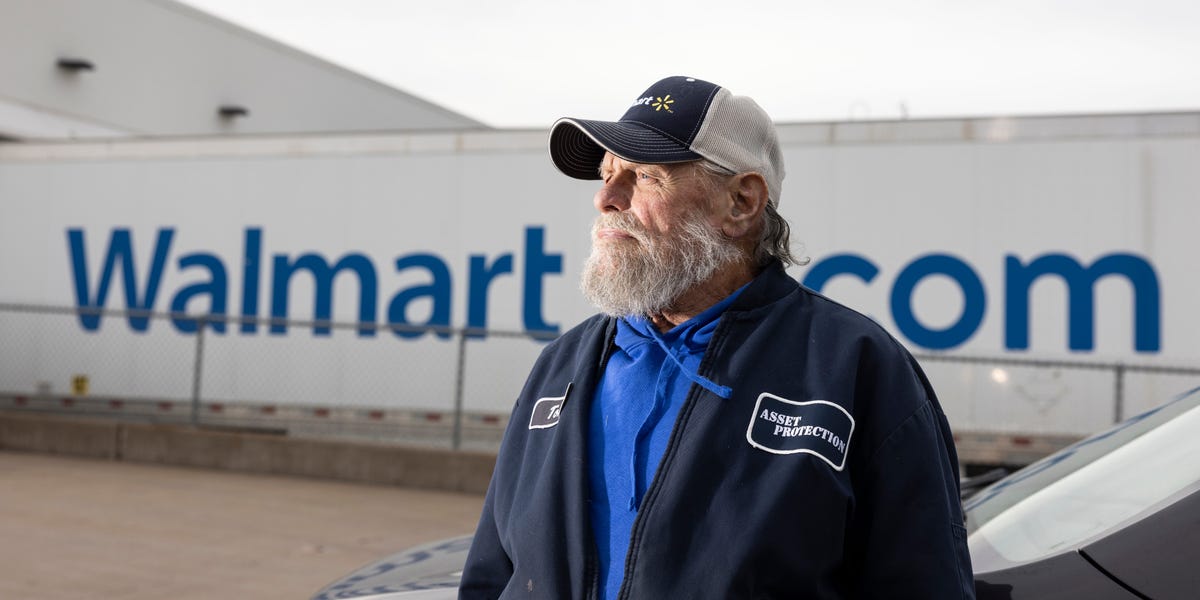
At Walmart, the largest private employer in the US, about 13.3% of the workforce — or over 200,000 employees — is over 60 years old, and more than 300,000 employees have a tenure of more than 10 years.
“We want to be a great place to work during every stage of life,” a spokesperson said. “People come here for a first job or a second career, and we have associates from 16 to 100.”
Thomas Magnuson, 83, has worked as a yard driver at a Walmart facility in Wisconsin since 1999. A few years ago, he transitioned to an asset protection position, where he monitors fire systems and recertifies employees who use certain equipment. Magnuson said he doesn’t have enough savings to retire. He described the work, which pays low six figures, as fulfilling.
Ruth Finkelstein, a professor of public health at Hunter College, said employers should provide mentorship and flexibility to workers of all ages.
“People reach their peak earnings in their 50s and then gradually decrease after that until they abruptly decrease after retirement,” Finkelstein said. “We should have retirement security adequate to meet people’s needs without them having to work for their whole lives, and we should have legislation that’s much stronger than that against employment discrimination.
How Disney, Starbucks, Google, and others support older workers
Some of the biggest names in the retail, entertainment, and food sectors have proposed age-friendly policies and initiatives to support older workers.
CVS Health has developed programs to attract mature workers and develop their skills. Many of Disney’s employees are in their second or third career, said Tami Garcia, executive vice president of people and culture at Disney Experiences. The company gives out the Walt Disney Legacy Award and holds service anniversary ceremonies.
“For many, having a role at one of our Disney parks is a second or even third career, and we deeply value the experience, wisdom, and mentorship that can bring,” Garcia said. “From celebrating milestone anniversaries — including 50+ years of service — to honoring those who embody Walt Disney’s legacy through our recognition programs, we showcase respect, care, and appreciation for our Cast Members.”
Some companies have prioritized certain accommodations, such as flexible work schedules. A Starbucks spokesperson told Business Insider that the company’s “Back to Starbucks” strategy has invested over $500 million in operational improvements and the workplace experience, which could benefit older workers looking for more flexibility. The spokesperson said that 85% of employees receive their preferred shifts.
Ellen Ernst Kossek, a professor at Purdue University who studies work-life relationships, said companies should consider reducing the workloads of older employees, helping these workers adapt to new technologies, and finding ways to challenge age-related stereotypes.
“There’s a stereotype that older workers are not as current, but just as you would train new workers or encourage people to get a certificate, they could adapt their strategies to look for people with AI skills and encourage people to keep their skills up,” Kossek said.
Some companies told Business Insider that they’ve adopted certain benefits, such as greater access to medical care, which may help older workers stay healthy and avoid early retirement due to medical issues.
This can be beneficial to both companies and their workers. Older workers can increase corporate healthcare costs, since the majority of people aged 65 and older have a chronic disease, said Dr. Susan Mueller, senior director of health equity and well-being at global advisory firm WTW.
Walgreens offers benefits for “balancing work with caregiving responsibilities, preparing for retirement, or seeking proactive health and financial well-being support,” a spokesperson said. UnitedHealth Group provides legal services for estate planning and family law, and supports workers navigating menopause or cancer diagnoses.
A Google spokesperson said the company gives employees access to financial coaching for retirement and personalized assistance for managing caregiving. The company offers benefits such as cancer testing and support, no-cost medical second opinions, and no-cost virtual primary care.
A Microsoft spokesperson emphasized the company’s paid time off for caregiving for loved ones with a serious illness and wraparound care to support healthy aging.
FedEx has launched comprehensive medical benefits and support networks, such as its Choose Well Care Connect advocacy program, which guides members through life-altering diagnoses. FedEx launched a Fast Pass in certain markets to guarantee members a primary care appointment within 10 days or less. The company’s corporate responsibility report notes that FedEx is testing home health capabilities in areas with limited healthcare opportunities.
Companies have more work to do, experts say
Topics like AI and climate change are garnering more attention in corporate America than the aging workforce, according to a Business Insider analysis of earnings calls, 10-Ks, and interviews.
That’s a concern to some experts on aging, who say companies need to be doing more to prepare for shifting demographics.
Mueller said companies should develop programs that control costs for employees needing medical assistance; establish internal guidelines to help employees navigate the healthcare system; add virtual primary care; and hire external companies specializing in common medical conditions.
Madonna Harrington Meyer, a sociology professor at Syracuse University, said that during economically hard times, older workers are often the first to be laid off and the last to be rehired.
Harrington Meyer said companies should focus on accessibility and safety. They should arrange parking spots near office entrances, ensure good lighting and soundproofing for sensory needs, and maintain functional elevators.
Graham Pearce, global defined benefit segment leader at the consulting firm Mercer, said some companies will need to confront an”unconscious bias” against older workers — often seen as less adaptable or more prone to illness. Progress may require legislative action, he said.
Legislative action
The bipartisan Protect Older Job Applicants Act was introduced in September to prohibit age-based applicant sorting for employers, ensure “disparate impact” protections apply to employees and applicants, and require government oversight on age discrimination claims.
Rep. Bobby Scott, a Democrat from Virginia who co-led the bill, told Business Insider that he hopes age discrimination will be considered “as illegal as discrimination based on race, color, creed, national origin, or sex.” He added that if more people have employment opportunities later in life, it could stimulate the economy and help people age with dignity.
In September, Sen. Kirsten Gillibrand, a Democrat from New York, introduced the bipartisan Protecting Older Americans Act, which would end forced arbitration clauses prohibiting victims of age discrimination from suing their employer.
“We know that forced arbitration often discriminates against the plaintiff, and for a lot of older Americans, they don’t have the resources to mount significant litigations against an employer who discriminates against them,” Gillibrand told Business Insider. “We believe that if you have the right of the Constitution to go to a trial and to be judged by your peers, older Americans would do better in these lawsuits.”
In a statement to Business Insider, Sen. Tammy Baldwin, a Democrat from Wisconsin, said that the separate Protecting Older Workers Against Discrimination Act would help level the playing field for older workers and combat age discrimination.
“We need to do more to make sure that every American can plan and save for a secure retirement, but as more and more of our neighbors are forced to work later in life just to make ends meet, we need to make sure everyone — regardless of their age — has protections and dignity in the workplace,” Baldwin said.
Read the full article here